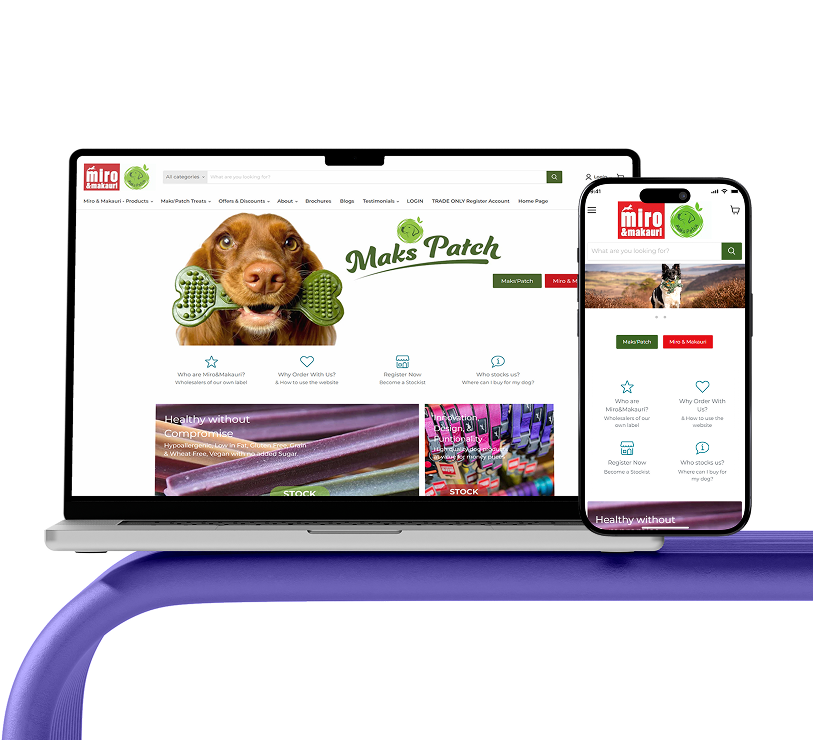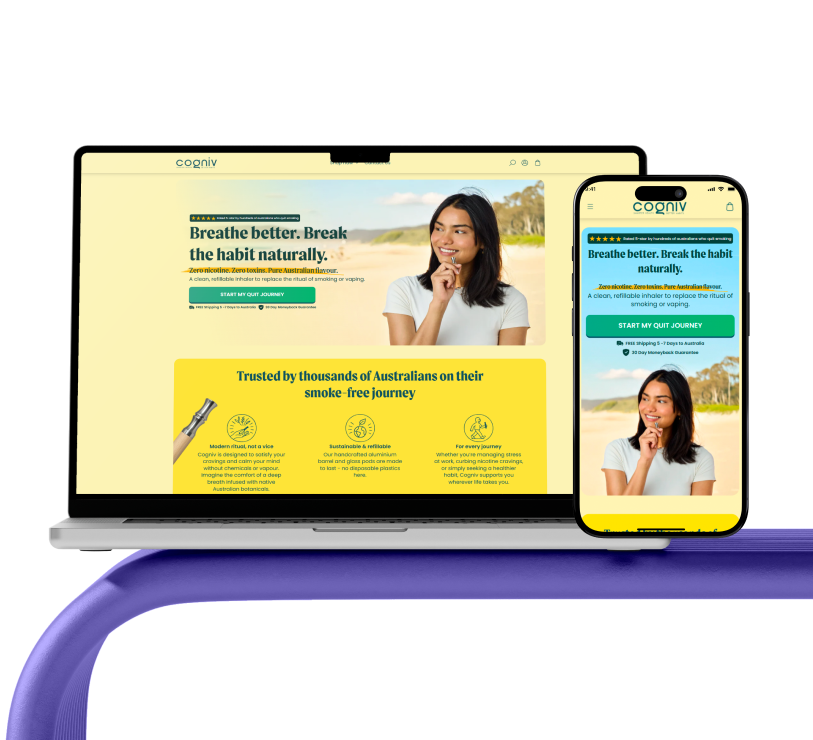



Custom Shopify Design vs Free Theme: Which One Actually Makes More Money?
One of the most common questions Shopify store owners ask before launching or redesigning their store is whether they should use a free Shopify theme or invest in a custom Shopify design. On the surface, the decision looks simple. Free themes cost nothing, are easy to install, and appear to offer everything needed to get started. Custom Shopify design, on the other hand, requires time, expertise, and budget. Naturally, many business owners choose the free option, believing it is the safest and smartest way to begin.
However, when the real goal is not just launching a store but making a consistent profit, the question changes completely. The real comparison is not about upfront cost. It is about long-term revenue, conversion performance, scalability, and brand trust. When viewed from this perspective, the difference between a free theme and a custom Shopify design becomes much clearer.
At Zilancer, we have worked with businesses that started with free themes, struggled to grow, and later switched to a custom Shopify design. In almost every case, revenue did not increase because of more traffic or better products, but because the store itself started working more effectively. This raises an important question: which option actually makes more money?
Understanding Free Shopify Themes
Free Shopify themes are designed to help beginners launch quickly. They are built to be general-purpose, meaning they try to work for many industries at once. This makes them accessible but also limits how well they can perform for a specific business.
A free theme usually comes with predefined layouts, standard product page structures, and basic customization options. For a brand new store with no traffic, no data, and no clear positioning, this may feel sufficient. The store looks clean, functions properly, and allows sales to happen.
The problem begins when the business tries to grow. Because free themes are built for everyone, they are optimized for no one. As competition increases, small design and experience details start to matter. Conversion rates plateau, bounce rates rise, and paid advertising becomes more expensive. The store technically works, but it does not perform at its full potential.
Free themes are not bad. They are simply limited. And those limitations directly affect revenue over time.
What Custom Shopify Design Really Means
Custom Shopify design is often misunderstood. Many store owners assume it is only about aesthetics or making the site look unique. In reality, a custom Shopify design is about building the store around business goals, user behavior, and conversion strategy.
A custom design starts with understanding the target audience. Layouts, navigation, product pages, and checkout flows are all designed to reduce friction and guide users toward purchase. Every element has a purpose, and nothing exists just to fill space.
From a technical standpoint, a custom Shopify design allows greater control over performance, scalability, and flexibility. Instead of forcing the business to adapt to the theme, the theme adapts to the business. This difference becomes critical as traffic, product range, and marketing complexity increase.
A custom Shopify design is not an expense. It is an investment in how efficiently a store turns visitors into customers.
The Revenue Difference Starts With Conversion Rate
The most direct way design affects revenue is the conversion rate. Even a small improvement in conversion can dramatically increase profit without increasing traffic. This is where custom Shopify design consistently outperforms free themes.
Free themes are designed with generic user journeys. They cannot fully align with a specific audience’s expectations or buying behavior. As a result, users hesitate, get distracted, or leave without purchasing.
Custom Shopify design focuses on clarity and intent. Messaging is sharper, calls to action are more visible, and layouts are optimized to support decision-making. Product pages answer questions before users ask them. Checkout flows remove unnecessary steps. Trust signals appear exactly where users need reassurance.
When the conversion rate improves, everything else becomes easier. Ads become more profitable, organic traffic converts better, and growth becomes predictable. This is one of the main reasons a custom Shopify design makes more money over time.
Branding and Trust: The Hidden Revenue Drivers
In e-commerce, trust is directly linked to revenue. Customers are more likely to buy from stores that feel professional, credible, and consistent. Free themes, by their nature, look familiar. Many shoppers have seen the same layouts across dozens of stores. This reduces perceived uniqueness and trust.
A custom Shopify design allows a brand to stand out visually and emotionally. Consistent branding, thoughtful design choices, and a cohesive experience signal professionalism. Customers feel more confident when purchasing, especially for higher-priced products.
Trust also affects repeat purchases. A strong brand experience encourages customers to return, recommend the store, and develop loyalty. Over time, this increases customer lifetime value, which is a key factor in long-term profitability.
Free themes rarely support this level of brand building without heavy customization, which often defeats the purpose of using a free theme in the first place.
Performance and Speed Impact Revenue Directly
Website speed is one of the most underestimated revenue factors in Shopify stores. Free themes often come with extra features and scripts designed to serve many use cases. This makes them heavier and slower, especially after adding apps.
A custom Shopify design allows performance optimization at a deeper level. Only necessary features are included. Code is cleaner, assets are optimized, and app dependency is reduced. This results in faster load times and smoother interactions.
Faster stores convert better, rank higher on search engines, and perform better in paid advertising platforms. This means a custom Shopify design does not just improve user experience. It reduces marketing costs and increases return on investment.
When performance improves, revenue follows.
Scalability: Free Themes vs Custom Design
A free theme may work well for a small catalog and low traffic. Problems arise when the business starts to scale. Adding more products, creating complex collections, running promotions, or expanding internationally often exposes the limitations of free themes.
Custom Shopify design is built with scalability in mind. The store structure supports growth without breaking design consistency or performance. New features can be added without compromising speed or usability.
Scalability affects revenue because it determines how easily a business can respond to opportunities. When the store is flexible, launching new campaigns, products, or markets becomes faster and less risky.
Free themes often require workarounds that create technical debt, slowing down future growth.
SEO and Long-Term Traffic Growth
Search engine optimization is another area where custom Shopify design offers long-term financial advantages. While free themes are usually SEO-friendly at a basic level, they rarely support advanced optimization strategies.
Custom design allows control over page structure, internal linking, content hierarchy, and technical SEO elements. This helps search engines understand the store better and rank it more effectively.
Organic traffic compounds over time. As rankings improve, traffic increases without additional ad spend. Stores with strong SEO foundations consistently outperform competitors who rely heavily on paid traffic.
Revenue generated from organic traffic is often more profitable because acquisition costs are lower. This makes SEO-friendly custom Shopify design a powerful long-term asset.
The Real Cost of “Free”
Free themes appear to save money upfront, but they often cost more in the long run. Lower conversion rates, higher ad costs, performance issues, and redesign expenses add up over time.
Many businesses eventually invest in a custom Shopify design after hitting a growth ceiling. At that point, they not only pay for the custom design but also lose revenue during the period when the store underperforms.
Starting with a custom Shopify design may require a higher initial investment, but it reduces friction, accelerates growth, and minimizes costly rework. From a revenue perspective, this often results in higher profitability over the life of the business.
Which Option Makes More Money?
The answer depends on goals, but for most serious businesses, a custom Shopify design consistently makes more money over time. Free themes are suitable for testing ideas or launching quickly with minimal risk. However, they are rarely the best choice for brands aiming to grow, compete, and build long-term value.
Custom Shopify design improves conversion rates, strengthens branding, increases trust, enhances performance, supports scalability, and boosts SEO. Each of these factors contributes directly or indirectly to revenue growth.
When all these advantages are combined, the financial gap between free themes and custom design becomes impossible to ignore.
Final Thoughts: Think Beyond the Launch
Choosing between a free theme and a custom Shopify design is not just a design decision. It is a business decision. The right choice depends on whether the goal is simply to launch a store or to build a profitable, scalable eCommerce brand.
Free themes help you start.
Custom Shopify design helps you grow.
If revenue, efficiency, and long-term success matter, investing in a store that is designed around your business rather than around generic templates is the smarter path.
In eCommerce, the store is not just where sales happen.
It is what makes sales happen.