





Shopify Store Design vs Development: What Your Business Really Needs1
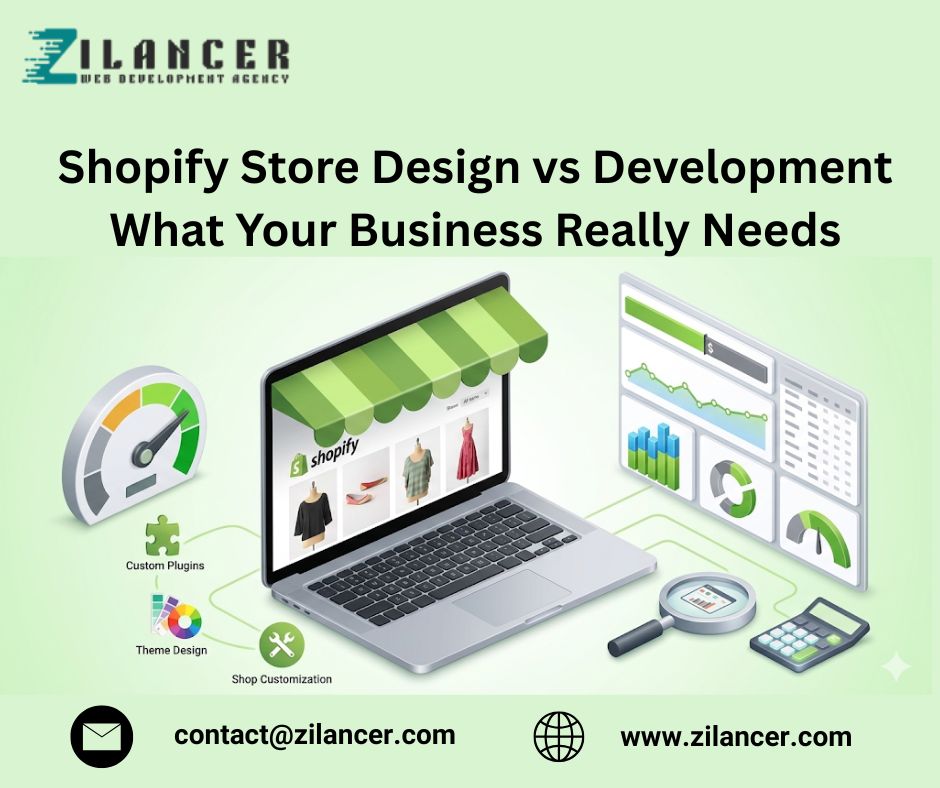
When building or improving a Shopify store, many business owners struggle to understand the difference between design and development. Some focus only on visuals, while others prioritize functionality—often neglecting one side entirely. The truth is that successful Shopify stores require a strategic balance between design and development. Understanding what each one does—and when your business needs which—is essential for sustainable growth and long-term success.
What Is Shopify Store Design?
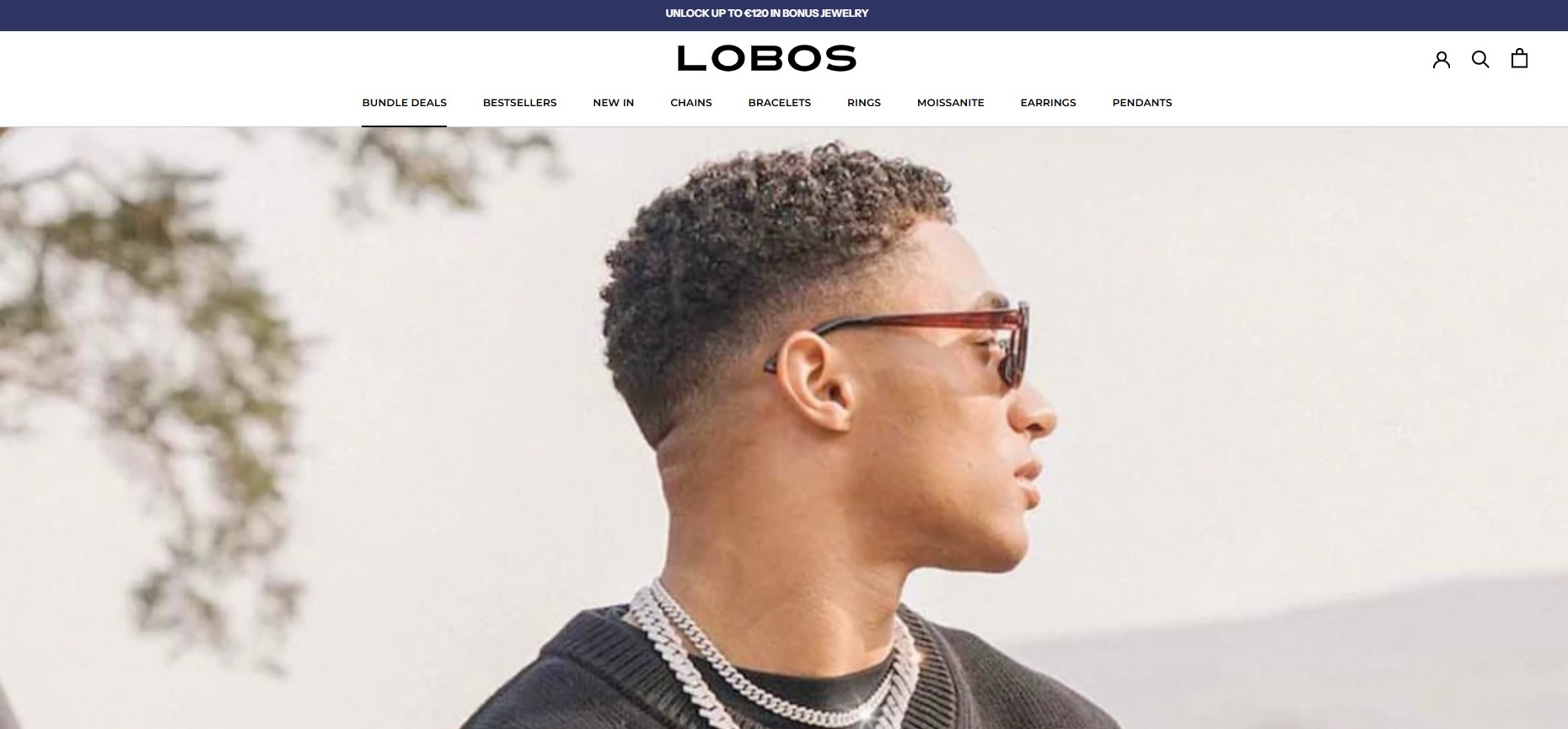
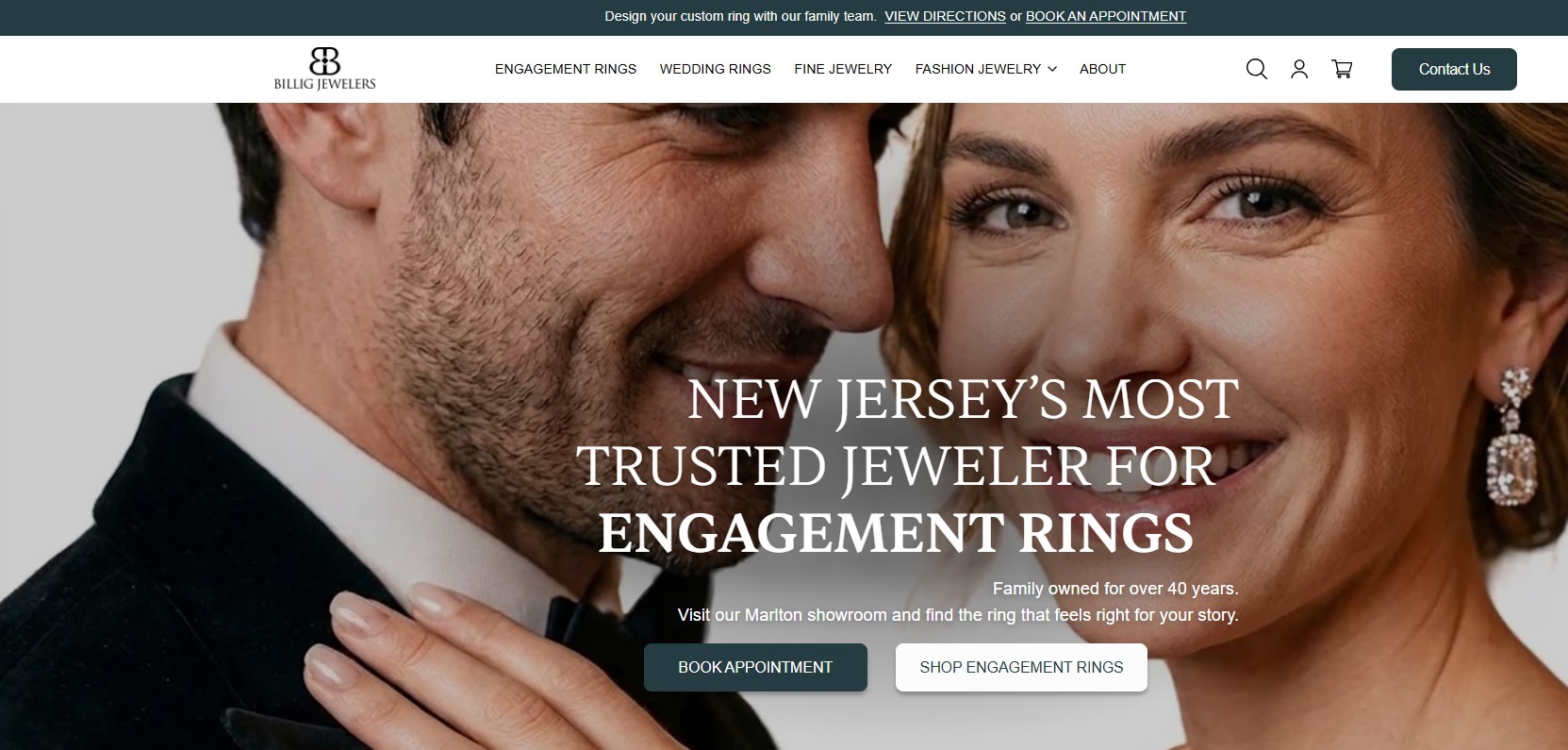
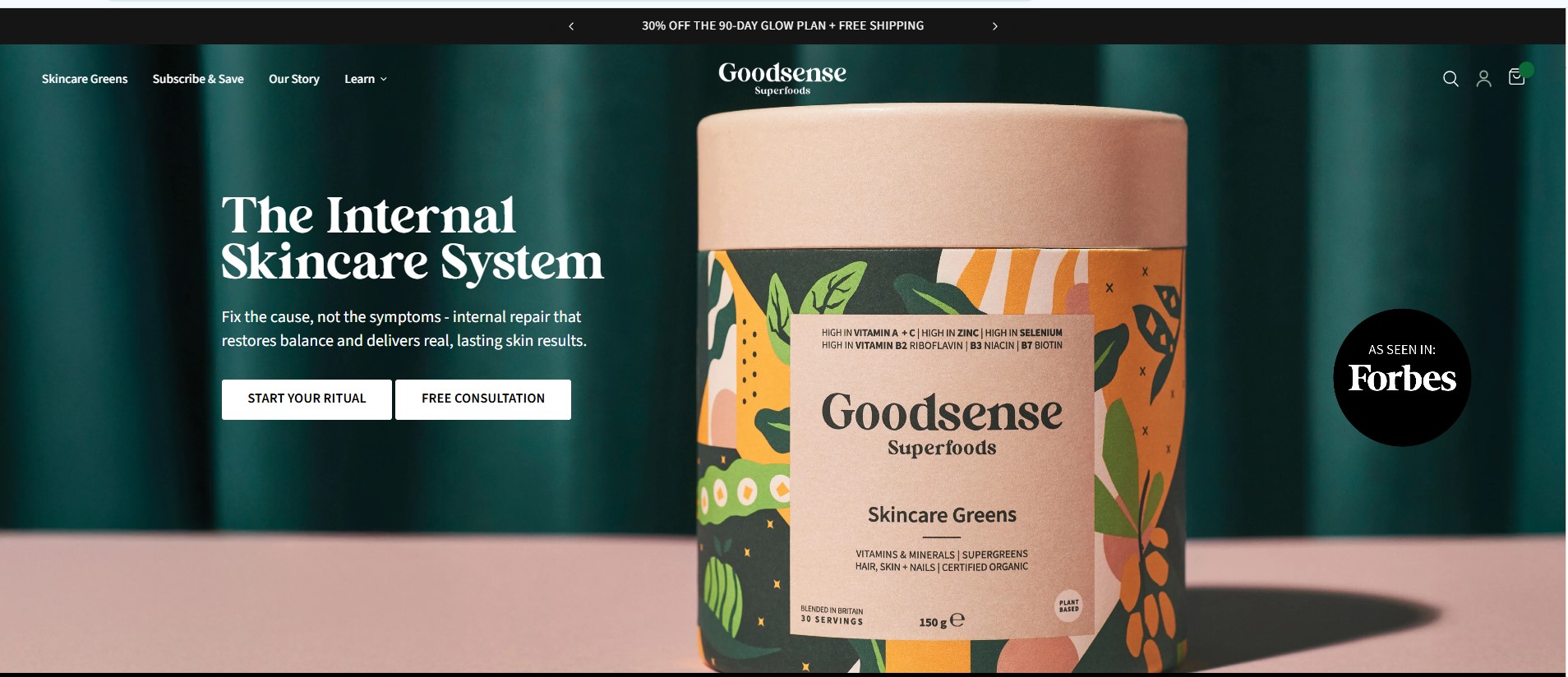
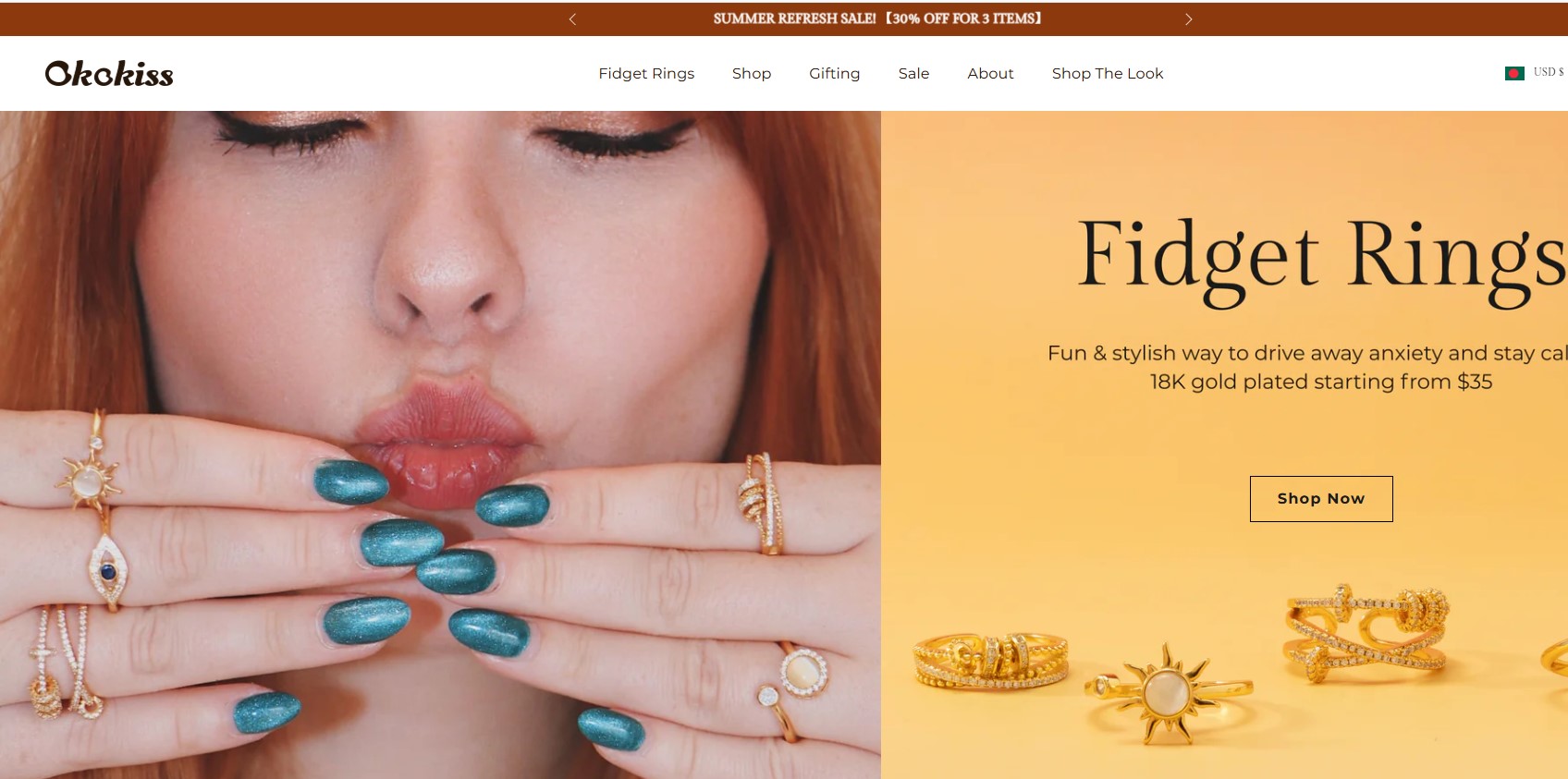
Shopify store design focuses on how your store looks and feels to users. It includes layout, colors, typography, spacing, imagery, and overall user experience. However, design is more than just appearance. It shapes first impressions, builds emotional connection, and guides visitors toward making a purchase. A strong design creates clarity, trust, and smooth navigation. When customers can easily understand your brand and move through your store without confusion, they are far more likely to convert.
Good design also communicates professionalism. A clean structure, consistent branding, and clear messaging help position your business as credible and reliable. Without strategic design, even high-quality products may struggle to sell because customers do not feel confident enough to complete their purchase.
What Is Shopify Development?
Shopify development focuses on functionality and technical performance. It includes theme customization, app integrations, custom features, checkout logic, performance optimization, and scalability improvements. Development ensures that your store works smoothly behind the scenes and delivers a seamless experience across all devices.
While design influences perception, development influences performance. A technically optimized store loads faster, handles traffic efficiently, and integrates with necessary marketing and operational tools. Strong development also allows your business to expand without constant technical limitations. As your store grows, development becomes increasingly important to support automation, advanced features, and complex business needs.
The Common Mistake: Choosing One Over the Other
Many businesses make the mistake of investing heavily in either design or development, but not both. Some create visually impressive stores that perform poorly due to slow loading times, unoptimized code, or unstable features. Others build technically solid stores that lack branding, engagement, and conversion-focused structure.
When design is ignored, the store may function well but fail to emotionally connect with customers. When development is ignored, the store may look appealing but struggle with performance and scalability. In both cases, growth becomes limited. Sustainable success requires both a strong visual experience and a reliable technical foundation.
When Your Business Needs Better Design
If your store receives traffic but struggles with low conversions, design is often the underlying issue. A confusing layout, weak visual hierarchy, unclear messaging, or lack of trust signals can discourage visitors from completing their purchase. Improving design can significantly increase sales without increasing advertising costs.
Refining the homepage structure, strengthening product presentation, improving typography, and highlighting key benefits can immediately improve user confidence. When customers clearly understand what you offer and why it is valuable, conversions naturally improve.
When Your Business Needs Better Development
If your store feels slow, limited, or unstable, development is likely the bottleneck. Technical issues such as slow page speed, broken integrations, poor mobile responsiveness, or checkout complications require development expertise. As businesses scale, technical complexity increases, and strong development becomes essential.
Investing in proper development ensures faster loading times, smoother functionality, secure transactions, and the ability to handle increased traffic. It also enables advanced customization and automation that support long-term operational efficiency.
How Design and Development Work Together
Design and development are interconnected. Design defines how the store should look and guide customers, while development ensures that experience works without friction. A well-designed product page must also load quickly. A visually appealing checkout page must function smoothly and securely. When both elements are aligned, the store delivers a complete and professional experience.
Approaching Shopify projects holistically prevents future limitations. Instead of fixing issues later, combining design and development from the start creates a stable and scalable foundation.
Scalability and Long-Term Growth
A store that looks good but lacks technical strength will struggle as traffic increases. Similarly, a technically strong store with weak user experience will fail to retain customers. Long-term growth depends on aligning visual strategy with technical performance.
By combining professional design with expert development, businesses can create Shopify stores that convert consistently and adapt as market demands change. This balance supports both immediate revenue and future expansion.
Choosing the Right Strategy for Your Business
The right approach depends on your current challenges. If conversions are low despite good traffic, improving design and user experience should be the priority. If performance issues or feature limitations are slowing your operations, development needs attention. If your brand is growing rapidly, investing in both areas strategically is the smartest decision.
Understanding this balance allows you to allocate resources effectively and avoid unnecessary rebuilds in the future.
Final Thoughts on Design vs Development
Your Shopify store is both a marketing asset and a technical system. Ignoring either design or development limits your potential. True success comes from blending strong branding and user experience with solid performance and scalability.
At Zilancer, the focus is on identifying what each business truly needs—whether design improvements, development enhancements, or a strategic combination of both—to build Shopify stores that generate consistent and measurable results.