






Why Businesses Trust Shopify Experts Instead of DIY Stores
The rise of Shopify has made launching an online store easier than ever. Entrepreneurs can now select a theme, upload products, configure payments, and go live within a matter of hours. On the surface, the DIY approach seems practical, cost-effective, and empowering. However, while it is simple to launch a store, building one that consistently generates revenue and scales successfully is far more complex. This is why serious businesses trust Shopify experts instead of relying solely on DIY solutions.
A DIY store may help you establish an online presence, but a professionally developed Shopify store is built to convert visitors into customers, support long-term growth, and compete effectively in crowded markets. Many brands start independently but later realize that sustainable eCommerce success requires deeper technical expertise and strategic planning.
The Illusion of Simplicity in DIY Shopify Stores
DIY Shopify stores are designed to make the setup process easy, but simplicity in setup does not guarantee performance. While templates and drag-and-drop tools are convenient, they do not replace strategic design decisions, technical optimization, or data-driven development. Businesses often underestimate the importance of conversion psychology, site architecture, and user behavior analysis.
As competition increases and customer expectations rise, the limitations of a basic store become visible. What initially feels manageable can quickly become restrictive when trying to scale or differentiate from competitors.
The Key Limitations of DIY Shopify Stores
1. Generic Design & Limited Customization
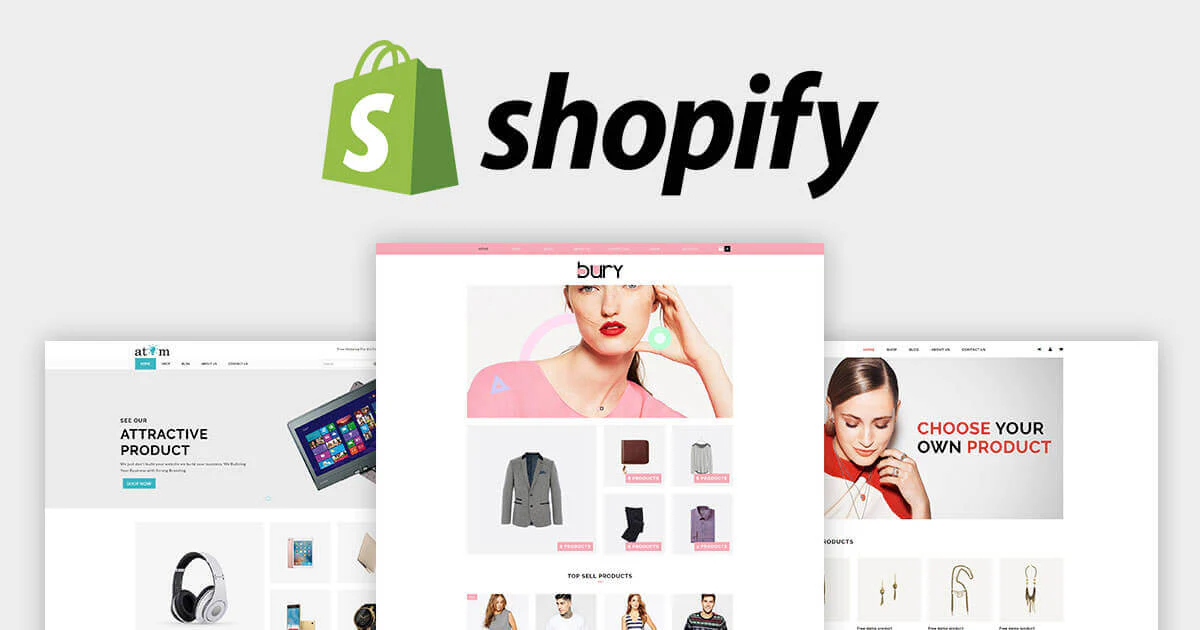
Most DIY Shopify stores rely on pre-designed themes. Although these themes are visually appealing, they are used by thousands of other stores. This creates a lack of uniqueness and makes it difficult for brands to stand out. Customization options are often limited without advanced coding knowledge, restricting creative freedom and brand alignment.
2. Weak User Experience (UX)
User experience plays a crucial role in influencing purchasing decisions. A store with unclear navigation, poorly structured categories, or confusing product layouts can discourage visitors from completing purchases. DIY stores frequently overlook the strategic planning required to guide users smoothly from homepage to checkout. Experts design logical navigation systems and intuitive product journeys that reduce friction and increase conversions.
3. Performance & Speed Issues
Website speed significantly impacts both search engine rankings and conversion rates. DIY stores often suffer from heavy images, unnecessary apps, and unoptimized code. These performance issues can slow down page load times and frustrate users. Even a slight delay can cause potential customers to abandon their carts. Shopify experts prioritize speed optimization by compressing assets, refining code, and ensuring responsive performance across devices.
4. SEO & Organic Growth Challenges
Search engine optimization is essential for sustainable traffic growth. While Shopify provides basic SEO features, maximizing visibility requires technical expertise. Proper site structure, metadata optimization, internal linking strategies, and schema implementation are rarely addressed in DIY setups. Without these elements, stores struggle to attract consistent organic traffic and must rely heavily on paid advertising.
5. App & Marketing Integration Complexities
Modern eCommerce depends on seamless integrations with marketing tools, analytics platforms, CRM systems, and automation software. DIY store owners often install multiple apps without considering compatibility or long-term scalability. This can lead to tracking errors, slow performance, and inefficient workflows. Experts ensure that integrations are strategically selected and properly configured to support growth rather than hinder it.
Conversion Optimization: The Real Competitive Edge
A major difference between DIY stores and expert-built stores is conversion optimization. Generating traffic alone does not guarantee sales. The store must be strategically structured to turn visitors into paying customers. Shopify experts apply proven conversion strategies such as persuasive product page design, optimized call-to-action placement, trust-building elements, and streamlined checkout experiences. These improvements may seem subtle, but they significantly impact overall revenue.
Mobile-First Is No Longer Optional
In today’s eCommerce landscape, mobile traffic dominates. Customers expect smooth browsing, fast loading, and simple checkout experiences on their smartphones. DIY stores are often desktop-focused, with mobile performance treated as secondary. Shopify experts take a mobile-first approach, ensuring that navigation, layout, typography, and checkout functionality are optimized for smaller screens. In 2026, mobile optimization is not a luxury—it is essential for maintaining credibility and conversions.
The Cost of DIY Mistakes
Although DIY stores may appear more affordable initially, hidden costs often emerge over time. Poorly optimized checkouts, slow load times, weak branding, and technical errors can lead to lost sales and wasted advertising budgets. Correcting these issues later can become more expensive than investing in professional development from the beginning. Experts reduce risk by building stores correctly the first time, preventing costly performance and security problems.
Scalability: Preparing for Growth
As businesses grow, their online infrastructure must grow with them. Increased traffic, expanded product catalogs, subscription systems, multi-currency options, and international sales require advanced configuration. DIY stores often struggle when scaling because they were not designed with growth in mind. Shopify experts build scalable systems that can handle expansion without sacrificing performance or stability.
Branding & Trust: The Psychological Advantage
Trust is a major factor in online purchasing decisions. A professionally designed store conveys authority, reliability, and quality. Experts incorporate consistent branding, strategic color usage, clean typography, and persuasive messaging to create a polished presentation. This professional appearance increases customer confidence and strengthens brand reputation, which directly impacts conversion rates.
Real Business Impact of Hiring Shopify Experts
Businesses that transition from DIY to expert-built Shopify stores frequently experience measurable improvements. These include higher conversion rates, reduced cart abandonment, improved SEO rankings, faster load times, and better return on advertising investment. The difference is not only aesthetic—it is financial.
Final Thoughts: DIY Gets You Started. Experts Get You Scaled.
DIY Shopify stores are valuable for testing ideas and launching quickly. However, when long-term growth, performance, and brand authority become priorities, professional expertise becomes essential. Hiring a Shopify expert is not simply a design decision; it is a strategic investment in scalability, profitability, and competitive advantage.
A store should do more than exist online. It should function as a powerful, revenue-generating engine that supports your business goals and drives sustainable growth.