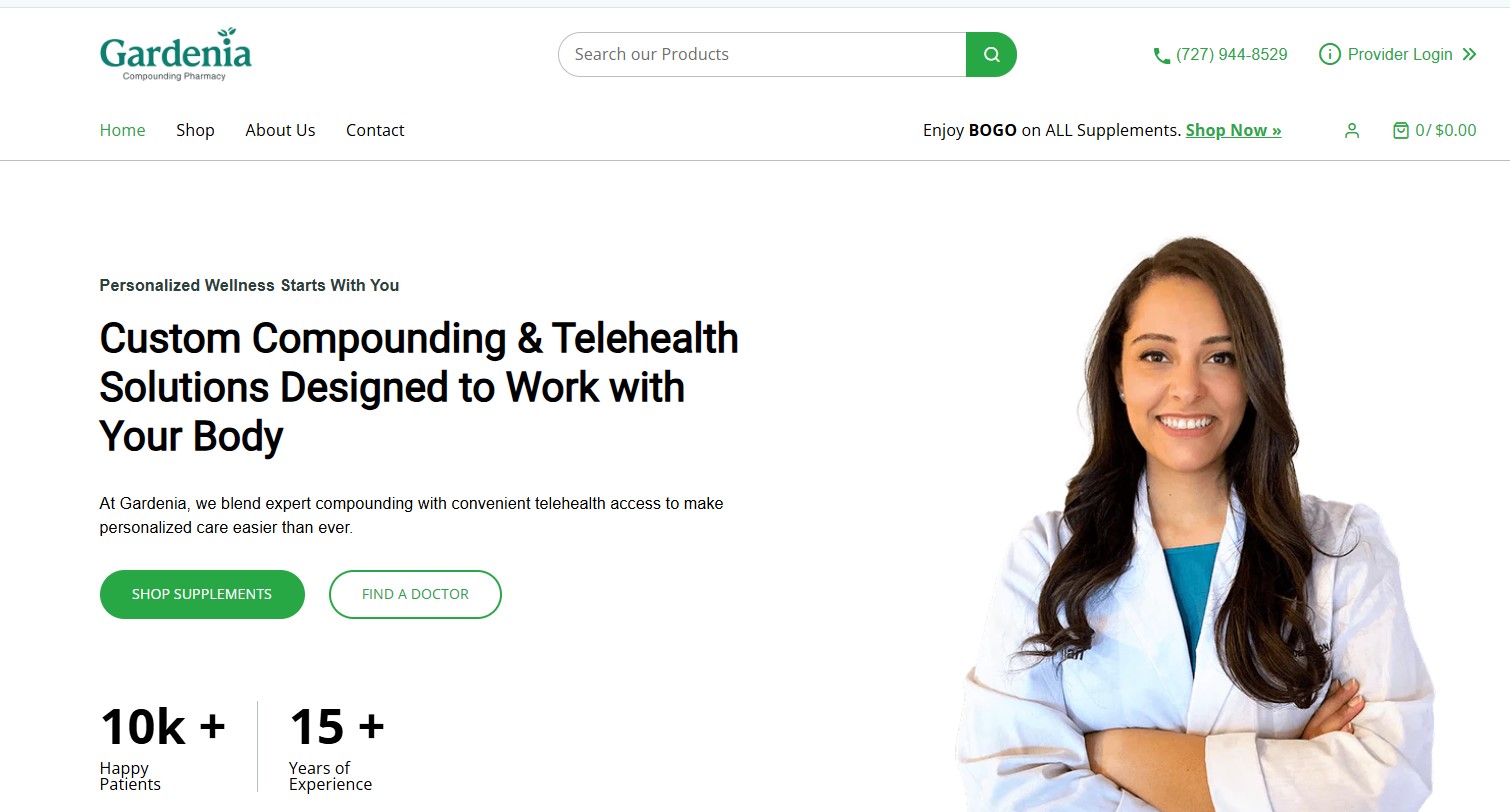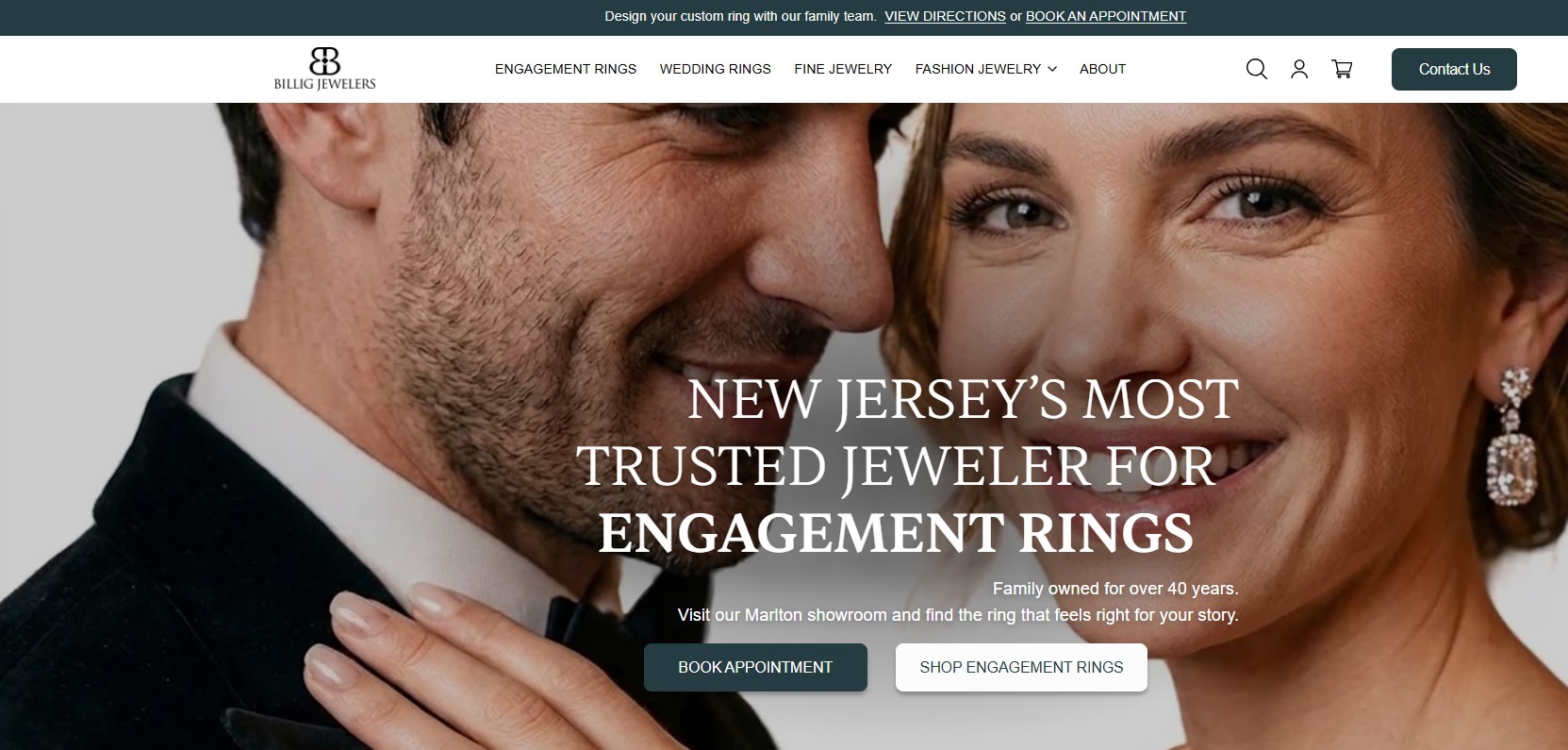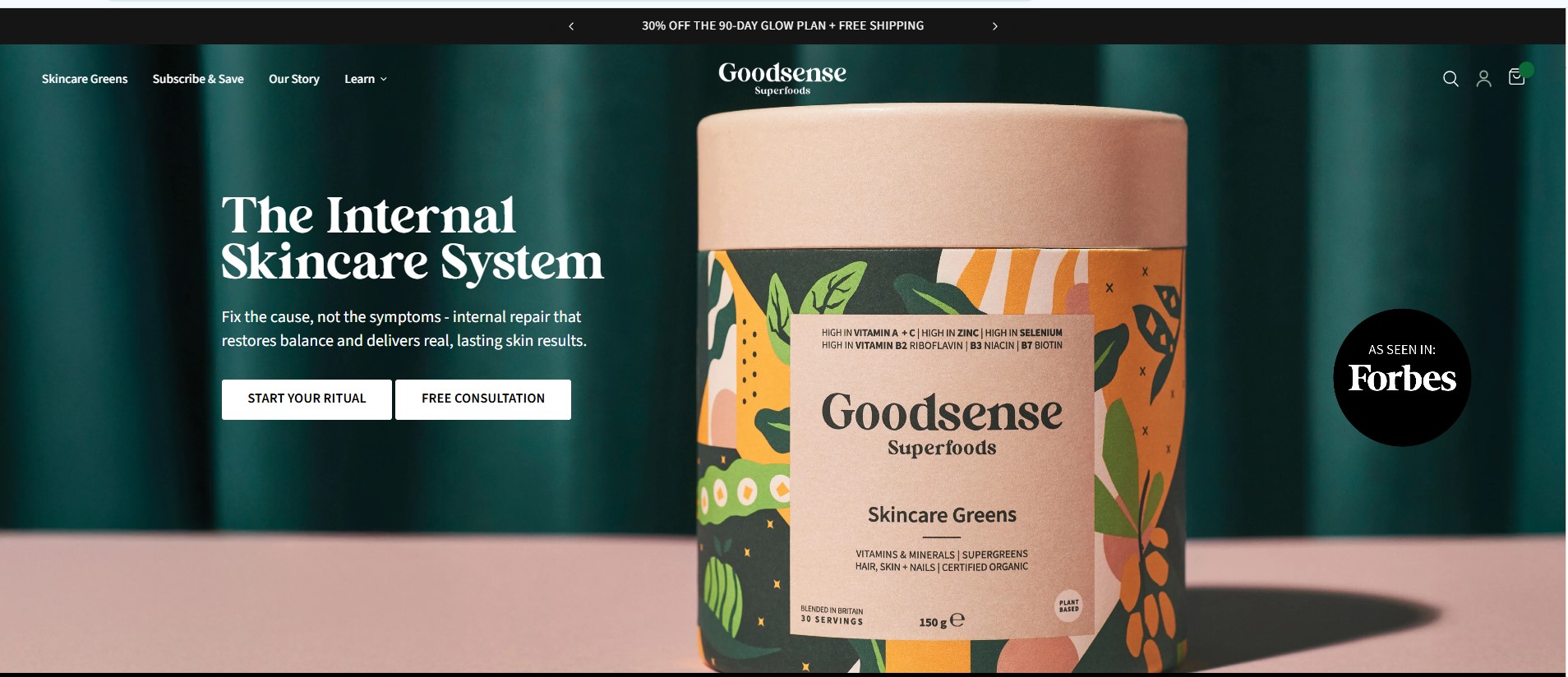








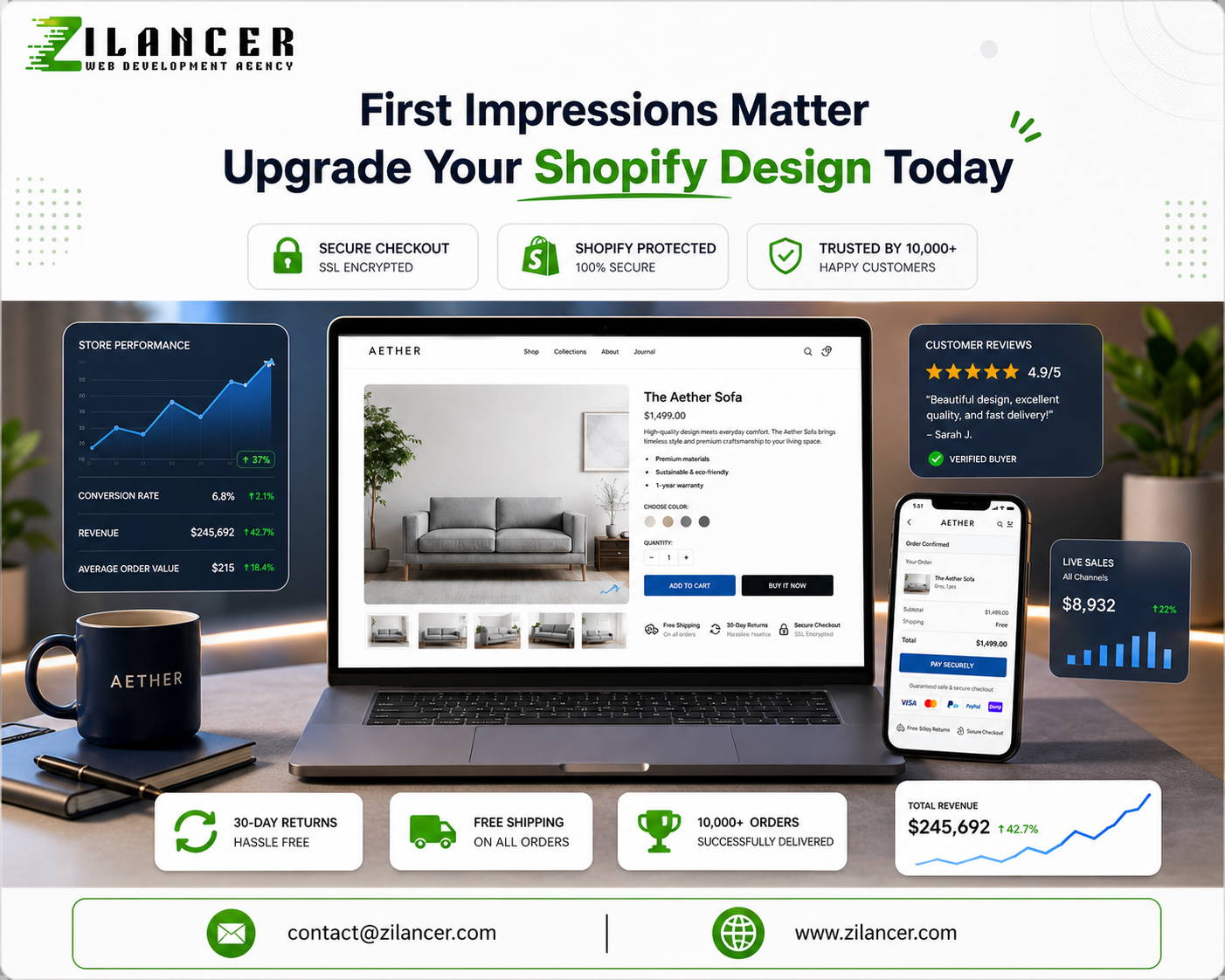
In the digital marketplace, attention is the most valuable currency, and first impressions determine whether your Shopify store earns it or loses it forever. When a potential customer lands on your website, their mind decides within seconds. That decision is not always logical, but it is powerful. It is based on how your store looks, how fast it loads, how easy it feels to navigate, and how trustworthy it appears. In 2026, where competition is fierce and alternatives are endless, a weak first impression does not just reduce engagement; it eliminates opportunity.
Your Shopify store is more than an online platform. It is your brand’s first handshake, your digital storefront, and your silent salesperson. A well-designed store communicates confidence, professionalism, and value instantly, while a poorly designed one raises doubt and hesitation. Upgrading your Shopify design is not simply a visual enhancement; it is a strategic move that can transform your business performance. This is where Zilancer comes in as a dedicated web development agency focused on creating high-converting Shopify experiences that leave powerful first impressions and drive measurable growth.
The Psychology of First Impressions in eCommerce
Human beings are naturally wired to judge quickly. In an online environment, where physical interaction is absent, visual perception becomes the foundation of trust. When users land on your Shopify store, they subconsciously evaluate its credibility based on design elements such as layout, color harmony, typography, and spacing. These elements create an emotional response that influences their next action. A cluttered design can create confusion, while a clean and structured layout builds clarity. Inconsistent branding can signal unprofessionalism, while cohesive visuals reinforce reliability. Even subtle details like button placement and whitespace contribute to how users perceive your brand. In 2026, successful Shopify stores are those that understand and apply these psychological principles effectively. Zilancer leverages these insights to craft designs that resonate with users on a deeper level. Our approach focuses on creating intuitive and visually appealing stores that immediately establish trust and encourage exploration.
Why Your Current Shopify Design Might Be Holding You Back
Many Shopify store owners invest heavily in products and marketing but overlook the importance of design. The result is a store that attracts traffic but fails to convert visitors into customers. This often happens because the design does not align with modern user expectations. An outdated layout, slow loading speed, or confusing navigation can create friction that drives users away. Even if your products are exceptional, a poor design can prevent customers from recognizing their value. In today’s fast-paced digital world, users do not wait for improvement; they simply move on.
Upgrading your Shopify design removes these barriers and unlocks new opportunities for growth. It enhances user experience, increases engagement, and improves conversion rates. Zilancer specializes in identifying design weaknesses and transforming them into strengths that drive results. Trust is the cornerstone of every successful online business. Without it, even the best marketing strategies fail to deliver results. A trustworthy Shopify store creates a sense of security and confidence that encourages users to take action. This begins with a professional and consistent visual identity. Colors, fonts, and imagery should align with your brand message and create a cohesive experience. Clear navigation helps users find what they are looking for without frustration. High-quality product images and detailed descriptions provide reassurance about your offerings. Zilancer integrates trust-building elements into every design we create. From secure checkout visuals to strategically placed customer reviews, we ensure that your store communicates reliability at every step of the user journey.
The Role of User Experience in Driving Conversions
User experience (UX) plays a critical role in driving conversions for any Shopify store. It goes far beyond how a website looks—UX is about how users interact with your store, how easily they can navigate it, and how smoothly they can complete a purchase. A well-designed user experience removes friction, builds confidence, and guides visitors naturally toward taking action. The first impact of strong UX is ease of navigation. When visitors land on your store, they should instantly understand where to go and how to find what they need. Clear menus, logical categories, and a simple layout help users explore without confusion. If customers feel lost or overwhelmed, they are far more likely to leave without buying. Another key factor is website speed and performance. A slow-loading site frustrates users and increases bounce rates. Modern consumers expect pages to load quickly, especially on mobile devices. Optimizing images, reducing unnecessary scripts, and ensuring fast server response times are essential to keeping users engaged and moving through the buying journey. Clarity and simplicity are also at the heart of good UX. Product pages should clearly communicate value with concise descriptions, high-quality visuals, and easy-to-scan content. Avoid clutter and focus on delivering the most important information in a way that is quick to understand. The easier it is for users to process information, the more likely they are to make a decision.
A strong UX also includes intuitive calls-to-action (CTAs). Buttons like “Add to Cart” or “Buy Now” should be clearly visible, easy to click, and placed strategically throughout the page. These elements guide users toward the next step without requiring them to think too much about what to do. Mobile optimization is another essential component. With the majority of traffic coming from smartphones, your store must provide a seamless experience across all screen sizes. Touch-friendly buttons, responsive layouts, and fast load times ensure that mobile users can browse and purchase without frustration. Trust-building elements are also part of the user experience. Reviews, testimonials, secure payment icons, and clear policies help users feel confident in their decisions. When users feel safe and informed, they are more likely to complete a purchase. Finally, continuous testing and improvement are key to maintaining a high-performing UX. By analyzing user behavior, identifying drop-off points, and making data-driven changes, you can refine the experience over time and increase conversion rates. In essence, user experience is what connects traffic to revenue. A well-optimized UX doesn’t just make your store look good—it makes it easy, fast, and enjoyable for customers to buy. When users have a smooth and satisfying experience, conversions naturally increase, and your Shopify store becomes a powerful tool for consistent growth.
Mobile Optimization as a First Impression Factor
Mobile optimization has become the first impression factor for any Shopify store in today’s digital landscape. For most users, the very first interaction with your brand happens on a smartphone, not a desktop. This means your mobile experience isn’t just important—it defines how customers perceive your business within seconds. If your store feels slow, cluttered, or difficult to use on mobile, visitors are likely to leave before they even explore your products. The first element that shapes this impression is speed. Mobile users expect pages to load almost instantly, and even a slight delay can lead to high bounce rates. Optimizing images, reducing unnecessary scripts, and using a lightweight design ensure that your store loads quickly and keeps users engaged from the moment they arrive. Equally important is a responsive and clean design. A mobile-optimized store should adapt perfectly to different screen sizes, with readable text, properly scaled images, and a layout that feels natural on smaller devices. Cluttered pages or tiny text can frustrate users and create a negative first impression, making your brand seem unprofessional. Ease of navigation is another critical factor. Mobile users rely on simple menus, clear categories, and intuitive browsing. If visitors struggle to find products or move through your site, they won’t stay long. A well-structured mobile interface helps users quickly understand where to go and what to do next.Your product presentation also plays a major role in first impressions. High-quality images, concise descriptions, and easily scannable content make it easier for users to evaluate products without feeling overwhelmed. Highlighting key benefits and trust signals—such as reviews and guarantees—can quickly build confidence. Another essential component is touch-friendly interaction. Buttons should be large enough to tap easily, and key actions like “Add to Cart” or “Buy Now” should be clearly visible without excessive scrolling. Smooth interaction creates a frictionless experience that encourages users to continue shopping. Finally, a streamlined checkout process ensures that a positive first impression leads to an actual conversion. Mobile users prefer quick and simple checkout options, such as autofill, guest checkout, and mobile payment methods. Reducing friction at this stage significantly increases the chances of completing a purchase.In conclusion, mobile optimization is no longer optional—it is the gateway to your brand. A fast, user-friendly, and well-structured mobile experience creates a strong first impression that builds trust, keeps visitors engaged, and drives conversions. When your Shopify store delivers a seamless mobile experience from the very beginning, it sets the foundation for long-term success and consistent revenue growth.