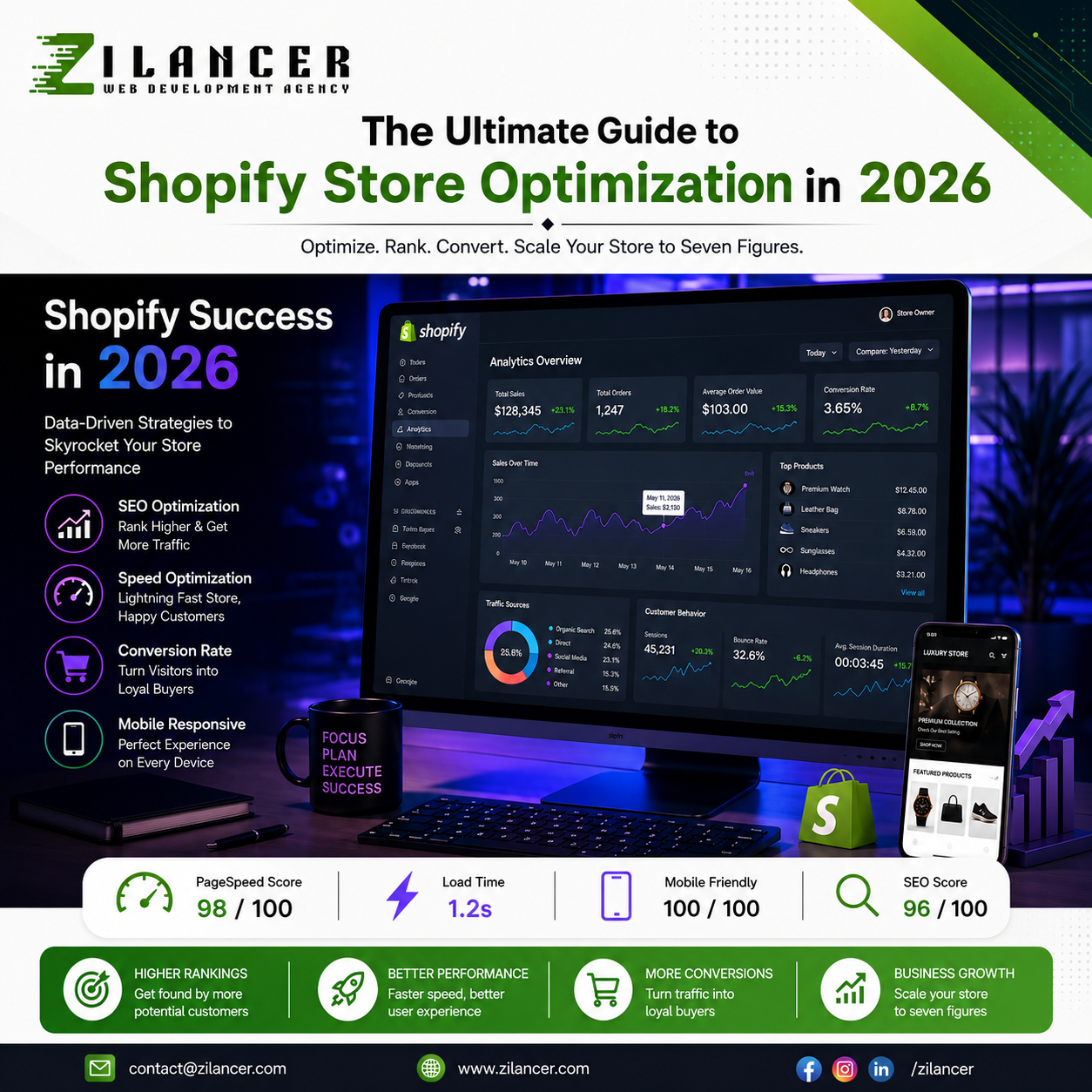
The eCommerce industry is evolving faster than ever before, and Shopify continues to dominate as one of the most powerful platforms for online businesses worldwide. In 2026, simply launching a Shopify store is no longer enough to achieve success. Thousands of new stores are being created every day, making competition more intense across every niche and industry. Customers now expect lightning-fast websites, smooth mobile experiences, high-quality content, trustworthy branding, and seamless checkout systems. Search engines also continue to become smarter, prioritizing websites that offer exceptional performance and user experience. This is why Shopify store optimization has become essential for every online business owner who wants sustainable growth. Optimization is no longer limited to just SEO or website speed. It now includes technical performance, user experience, conversion optimization, mobile responsiveness, content structure, navigation flow, branding consistency, and customer retention strategies. Every element of a Shopify store must work together to create a smooth shopping experience that turns visitors into loyal customers.
Businesses that invest in proper Shopify optimization often see dramatic improvements in organic traffic, search engine rankings, customer engagement, and overall revenue. A well-optimized Shopify store not only helps attract new visitors but also improves trust and increases conversion rates. Customers are more likely to stay on a website that loads quickly, looks professional, and provides a smooth browsing experience. Search engines reward these positive signals with better visibility in search results. At Zilancer, Shopify optimization is approached with a long-term growth mindset. The agency focuses on helping eCommerce businesses build powerful Shopify stores that perform exceptionally well in both search engines and customer experience. Through advanced optimization strategies, custom improvements, and SEO-focused development techniques, businesses can scale their online stores with confidence in 2026 and beyond.
Understanding Shopify Store Optimization
Shopify store optimization refers to the process of improving every important aspect of a Shopify website to increase traffic, improve user experience, enhance search engine visibility, and boost sales conversions. Optimization involves analyzing how visitors interact with a website and identifying areas where performance can be improved. The goal is to create a fast, efficient, visually appealing, and user-friendly store that encourages customers to complete purchases. In 2026, optimization has become more sophisticated because customer expectations continue to rise. Online shoppers no longer tolerate slow-loading pages, confusing navigation, or outdated designs. They expect a professional shopping experience that feels smooth from the homepage to checkout. Search engines like Google also prioritize websites that deliver excellent performance and user satisfaction.
Modern Shopify optimization includes several major components. Technical optimization focuses on improving website speed, fixing code issues, optimizing themes, and ensuring mobile responsiveness. SEO optimization focuses on improving search rankings through keyword targeting, structured content, metadata improvements, and internal linking. Conversion optimization improves customer journeys, product pages, and trust-building elements to increase sales. User experience optimization ensures visitors can browse products easily and complete purchases without frustration. A properly optimized Shopify store can outperform competitors even if they sell similar products. Optimization helps businesses build authority, improve brand trust, and increase customer loyalty over time. This is why more brands are investing heavily in Shopify optimization strategies in 2026.
Why Shopify Store Optimization Matters More in 2026
The digital marketplace has become incredibly competitive, making optimization more important than ever before. Customer behavior has changed significantly over the past few years. Users now expect instant loading speeds, mobile-first browsing experiences, and highly personalized shopping journeys. Stores that fail to meet these expectations often lose customers within seconds. Search engines are also using more advanced algorithms to measure user experience and website quality. Factors such as Core Web Vitals, mobile usability, page speed, and content relevance now play a major role in determining search rankings. Websites that provide poor experiences struggle to achieve visibility on Google, regardless of how good their products may be.
Shopify merchants must also compete against major global brands with advanced marketing strategies. Without proper optimization, smaller businesses may find it difficult to gain visibility or attract organic traffic. This is why smart Shopify store owners are focusing on optimization as a long-term growth strategy rather than relying solely on paid advertising. Another major reason optimization matters is conversion rate improvement. Increasing traffic alone is not enough if visitors are not converting into customers. Shopify optimization helps improve product presentation, user trust, navigation flow, and checkout experiences. These improvements directly impact revenue growth by increasing the percentage of visitors who complete purchases.
At Zilancer, optimization strategies are designed to help businesses stay ahead of evolving industry trends. The agency understands how Shopify stores must adapt to meet modern user expectations and search engine standards in 2026.
Shopify Website Speed Optimization
Website speed optimization has become one of the most important factors for Shopify store success in modern eCommerce. In 2026, online shoppers expect websites to load almost instantly, and even a slight delay can cause visitors to leave before exploring products. A slow Shopify store not only hurts the customer experience but also negatively affects search engine rankings, conversion rates, and overall sales performance. This is why Shopify website speed optimization is considered a critical part of long-term business growth. When a Shopify store loads quickly, visitors can browse products smoothly, navigate collections easily, and complete purchases without frustration. Fast-loading stores create a professional impression that increases trust and encourages customers to spend more time exploring the website. On the other hand, slow websites often lead to higher bounce rates because users are unwilling to wait for pages, images, or checkout processes to load. Studies consistently show that faster websites generate better engagement, higher conversions, and improved customer satisfaction.
Google also prioritizes website speed as a ranking factor. Search engines want to provide users with the best possible browsing experience, which means fast websites are more likely to rank higher in search results. Shopify stores with poor speed performance often struggle to compete in organic search visibility, even if they offer excellent products. Speed optimization directly impacts Core Web Vitals, which are important metrics Google uses to measure user experience and website quality. One of the biggest causes of slow Shopify stores is the excessive use of third-party applications. Many merchants install numerous apps to add functionality without realizing that each app can add extra scripts, CSS files, and JavaScript code that slow down website performance. While apps can improve store functionality, too many unnecessary apps create performance bottlenecks that affect loading times. Removing unused apps and optimizing active app scripts can significantly improve website speed. Image optimization is another essential part of Shopify speed improvement. High-resolution product images often increase page size and slow down loading times, especially on mobile devices. Optimized image formats help maintain visual quality while reducing file size. Modern techniques such as lazy loading allow images to load only when users scroll to them, improving page speed and reducing initial load times.
Shopify theme optimization also plays a major role in performance. Heavy themes with excessive animations, sliders, and unnecessary features can negatively impact website speed. Lightweight and professionally coded Shopify themes perform much better because they use cleaner code structures and fewer resources. Custom theme optimization can further improve loading speed by removing unnecessary scripts and optimizing code efficiency. Mobile speed optimization has become even more important because most online shoppers now browse Shopify stores using smartphones and tablets. Mobile users expect fast and responsive experiences regardless of their internet connection. A slow mobile website can drastically reduce conversions and increase cart abandonment rates. Responsive design, compressed assets, optimized fonts, and streamlined layouts all contribute to better mobile performance. Another important factor in Shopify speed optimization is reducing unnecessary code and improving script management. Minifying CSS, JavaScript, and HTML files helps decrease page size and improve loading efficiency. Browser caching and content delivery networks also improve performance by reducing the time required to load website resources. Checkout optimization is equally important because slow checkout processes often lead to abandoned carts. Customers want a fast and secure purchasing experience. Simplifying checkout pages, reducing distractions, and optimizing payment integrations can improve both speed and conversions.
At Zilancer, Shopify speed optimization is handled with a strategic and performance-focused approach. The team carefully analyzes website structure, identifies speed issues, optimizes themes, improves Core Web Vitals, and removes unnecessary performance obstacles that slow down Shopify stores. The goal is not only to improve loading speed but also to create smoother user experiences that increase customer engagement and drive higher sales. In today’s highly competitive eCommerce market, speed optimization is no longer optional. Customers expect instant experiences, and search engines reward websites that deliver exceptional performance. Shopify businesses that invest in professional website speed optimization position themselves for better rankings, stronger customer trust, improved conversions, and long-term growth. A fast Shopify store creates the foundation for a successful online business in 2026 and beyond.
Shopify User Experience Optimization
Shopify user experience optimization has become one of the most powerful factors influencing eCommerce success in 2026. In today’s highly competitive online marketplace, customers expect more than just attractive product listings. They want smooth navigation, fast loading pages, easy checkout systems, mobile-friendly browsing, and a seamless shopping experience from beginning to end. If a Shopify store feels confusing, slow, or difficult to use, visitors often leave within seconds and move to a competitor’s website. This is why user experience optimization is no longer optional for modern Shopify businesses. User experience, commonly known as UX, refers to how customers interact with a website and how they feel during the shopping journey. A well-optimized Shopify user experience helps visitors navigate products easily, understand information clearly, and complete purchases without frustration. When customers enjoy browsing a store, they are more likely to stay longer, explore additional products, and return for future purchases. Positive user experiences directly impact conversion rates, customer trust, and long-term brand loyalty.
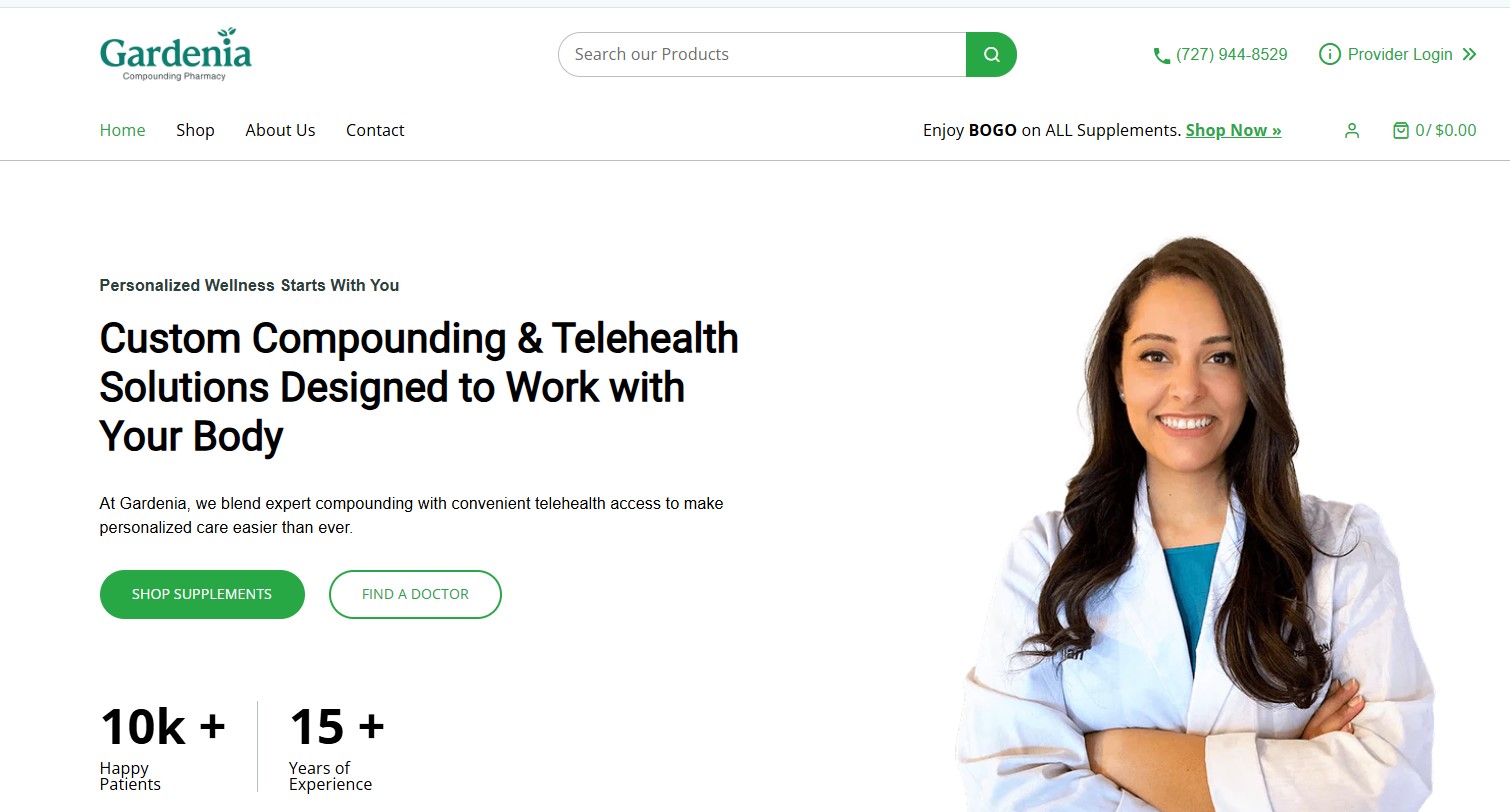
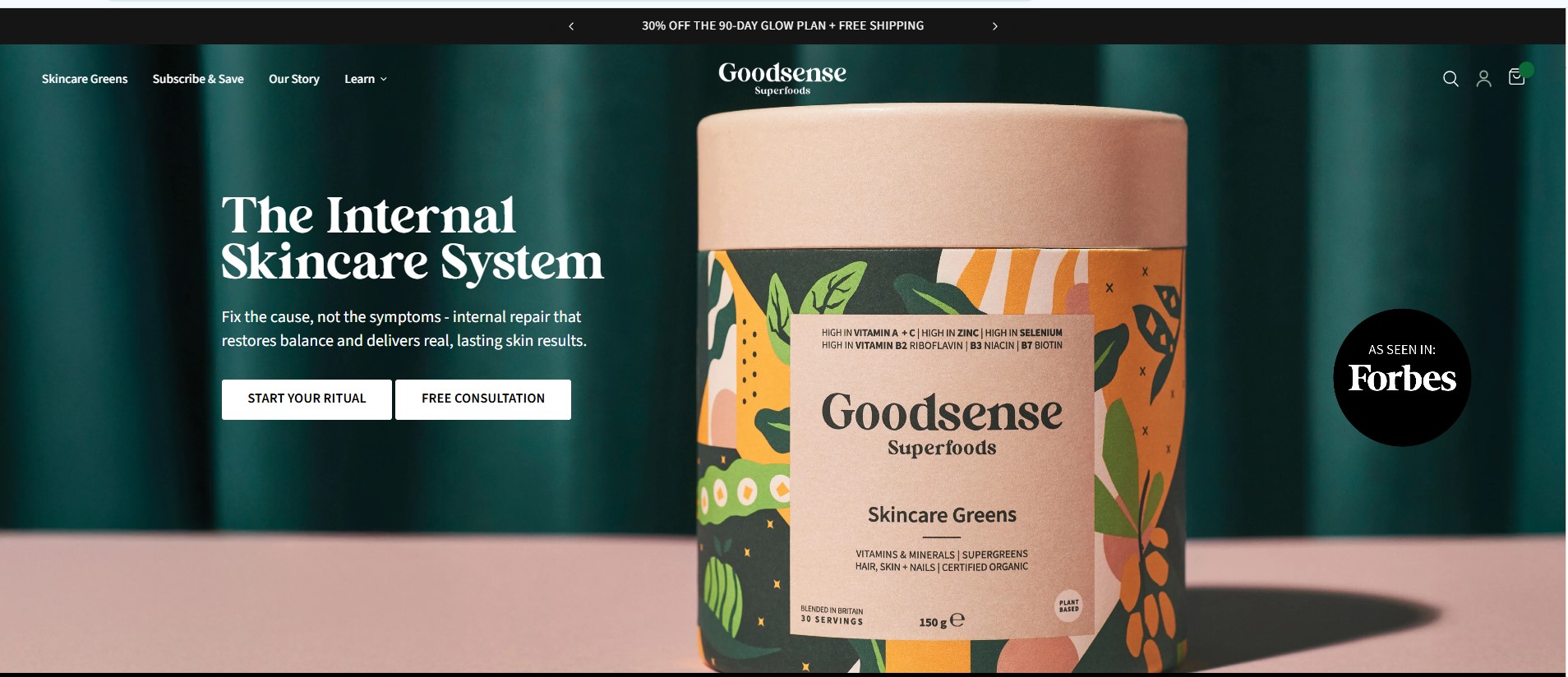
One of the most important aspects of Shopify UX optimization is website navigation. Customers should be able to find products quickly without confusion. Complicated menus, cluttered layouts, and poor category structures often create frustration that drives users away. A clean and organized navigation system improves browsing experiences and helps visitors discover products more efficiently. Clear menu categories, advanced product filters, search functionality, and logical page structures all contribute to better usability. Homepage optimization also plays a major role in user experience. The homepage creates the first impression for new visitors, and that impression often determines whether users continue exploring the website. A modern Shopify homepage should communicate brand identity clearly while guiding customers toward featured products, collections, or promotions. Too much clutter or unnecessary content can overwhelm visitors and reduce engagement. Clean layouts, professional visuals, and strong messaging create a more polished and trustworthy appearance.
Mobile user experience optimization has become essential because most Shopify traffic now comes from smartphones and tablets. Mobile shoppers expect fast-loading pages, touch-friendly navigation, and responsive layouts that work perfectly on smaller screens. If a Shopify store performs poorly on mobile devices, customers may abandon the website before making a purchase. Responsive themes, optimized images, simplified menus, and mobile-friendly checkout systems help create better mobile shopping experiences. Product page optimization is another critical part of Shopify UX improvement. Customers rely on product pages to make purchasing decisions, so these pages should provide clear, engaging, and trustworthy information. High-quality product images, detailed descriptions, customer reviews, pricing visibility, and clear call-to-action buttons all help improve user confidence. Product pages should answer common customer questions while making the purchasing process feel simple and secure.
Website speed also has a direct impact on user experience. Slow-loading pages frustrate visitors and reduce engagement significantly. Modern users expect websites to load almost instantly, especially on mobile devices. Shopify stores that load quickly create smoother browsing experiences and improve customer satisfaction. Fast websites also encourage users to explore more products and spend more time on the store. Trust-building elements are extremely important in user experience optimization because customers want to feel safe when shopping online. Secure payment icons, transparent return policies, customer testimonials, shipping details, and professional branding help build credibility. A trustworthy Shopify store creates confidence that encourages visitors to complete purchases without hesitation. Checkout optimization is another major factor influencing user experience. Complicated or lengthy checkout processes often lead to abandoned carts and lost sales. Customers prefer fast and simple checkout experiences with minimal distractions. Reducing unnecessary form fields, offering multiple payment methods, and enabling guest checkout options can dramatically improve conversion rates and overall customer satisfaction.
Why Choose Zilancer for Shopify Store Optimization
Choosing the right Shopify optimization agency can make a huge difference in the growth and long-term success of an eCommerce business. In today’s competitive online marketplace, Shopify stores need more than just an attractive design to succeed. Businesses must focus on speed optimization, SEO performance, user experience, mobile responsiveness, conversion optimization, and technical improvements to stay ahead of competitors. This is where Zilancer stands out as a trusted partner for Shopify store optimization in 2026. Zilancer specializes in helping Shopify businesses improve their online stores through advanced optimization strategies designed for long-term growth. The agency understands that every Shopify store is unique, which is why the team focuses on customized solutions instead of generic optimization methods. From startup brands to growing eCommerce businesses, Zilancer helps merchants build faster, more professional, and conversion-focused Shopify stores that deliver real business results. One of the biggest reasons businesses choose Zilancer is the agency’s deep understanding of Shopify SEO optimization. Organic traffic has become one of the most valuable sources of long-term eCommerce growth, and Zilancer helps stores improve their search engine visibility through powerful SEO strategies. The team focuses on keyword optimization, technical SEO improvements, optimized site structures, content strategies, and performance enhancements that help Shopify websites rank higher on Google and attract targeted customers.
Website speed optimization is another major strength of Zilancer. Modern online shoppers expect websites to load instantly, and slow stores often lose potential customers within seconds. Zilancer works on improving Shopify speed performance by optimizing themes, compressing images, reducing unnecessary scripts, and improving Core Web Vitals. Faster Shopify stores not only improve customer experiences but also achieve better search rankings and higher conversion rates. Mobile optimization is equally important in 2026 because the majority of online shopping now happens on smartphones and tablets. Zilancer ensures Shopify stores are fully optimized for mobile users by improving responsiveness, navigation, page speed, and mobile checkout experiences. A mobile-friendly Shopify store creates smoother shopping experiences that increase engagement and reduce bounce rates. Another reason businesses trust Zilancer is the agency’s focus on user experience optimization. Modern customers expect simple navigation, professional layouts, and smooth browsing experiences. Zilancer carefully improves store structures, homepage layouts, collection pages, and product pages to create highly engaging customer journeys. Better user experiences help Shopify stores increase customer trust, encourage longer browsing sessions, and improve sales performance. Conversion rate optimization is also a key part of Zilancer’s Shopify services. Driving traffic to a store is important, but converting visitors into paying customers is what truly grows a business. Zilancer focuses on improving product presentation, call-to-action placement, trust-building elements, checkout flow, and overall customer engagement to maximize conversions and revenue.
Shopify store optimization is no longer optional in today’s competitive digital marketplace. Businesses that fail to optimize their websites risk losing traffic, customers, and revenue opportunities to competitors who provide better experiences. In 2026, successful Shopify stores are built on strong technical foundations, fast performance, mobile responsiveness, SEO excellence, high-quality content, and seamless customer journeys. Optimization is a continuous process that requires strategy, testing, and long-term planning. Every improvement contributes to better rankings, stronger customer trust, and increased sales performance over time. Brands that invest in professional Shopify optimization position themselves for long-term success in the growing eCommerce industry. With the right optimization strategy and expert support, Shopify businesses can achieve powerful growth and build lasting online authority. If you want to take your Shopify store to the next level in 2026, Zilancer provides the expertise and solutions needed to improve performance, increase visibility, and drive sustainable eCommerce success.