





In today’s fast-moving digital landscape, users expect more than just a functional website or application. They expect a smooth, visually appealing, and intuitive experience from the moment they land on a page. Research consistently shows that users form an opinion about a website within seconds, and that first impression often determines whether they continue browsing or leave immediately.
This is where High-Fidelity UI Design becomes extremely valuable. A well-crafted interface does more than look attractive — it helps users understand how to interact with your platform, guides them through their journey, and ultimately encourages them to take action.
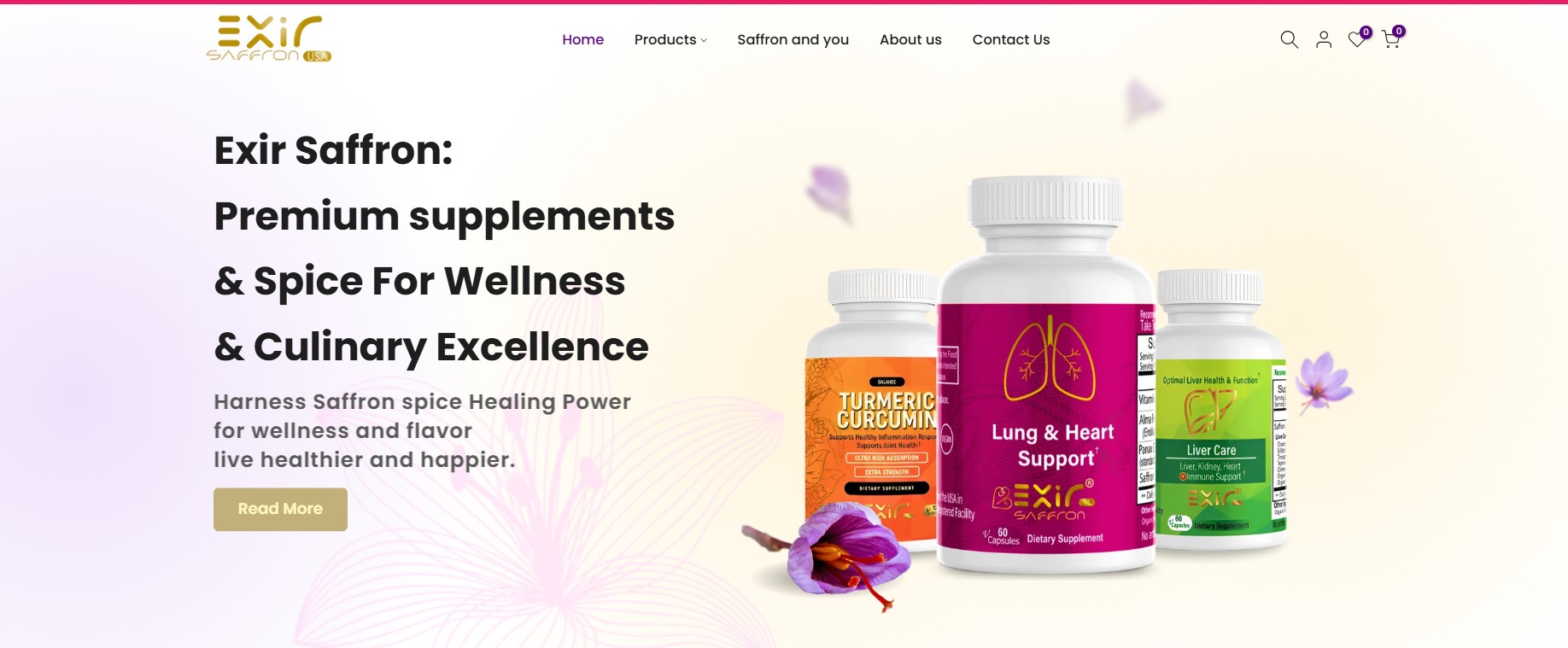
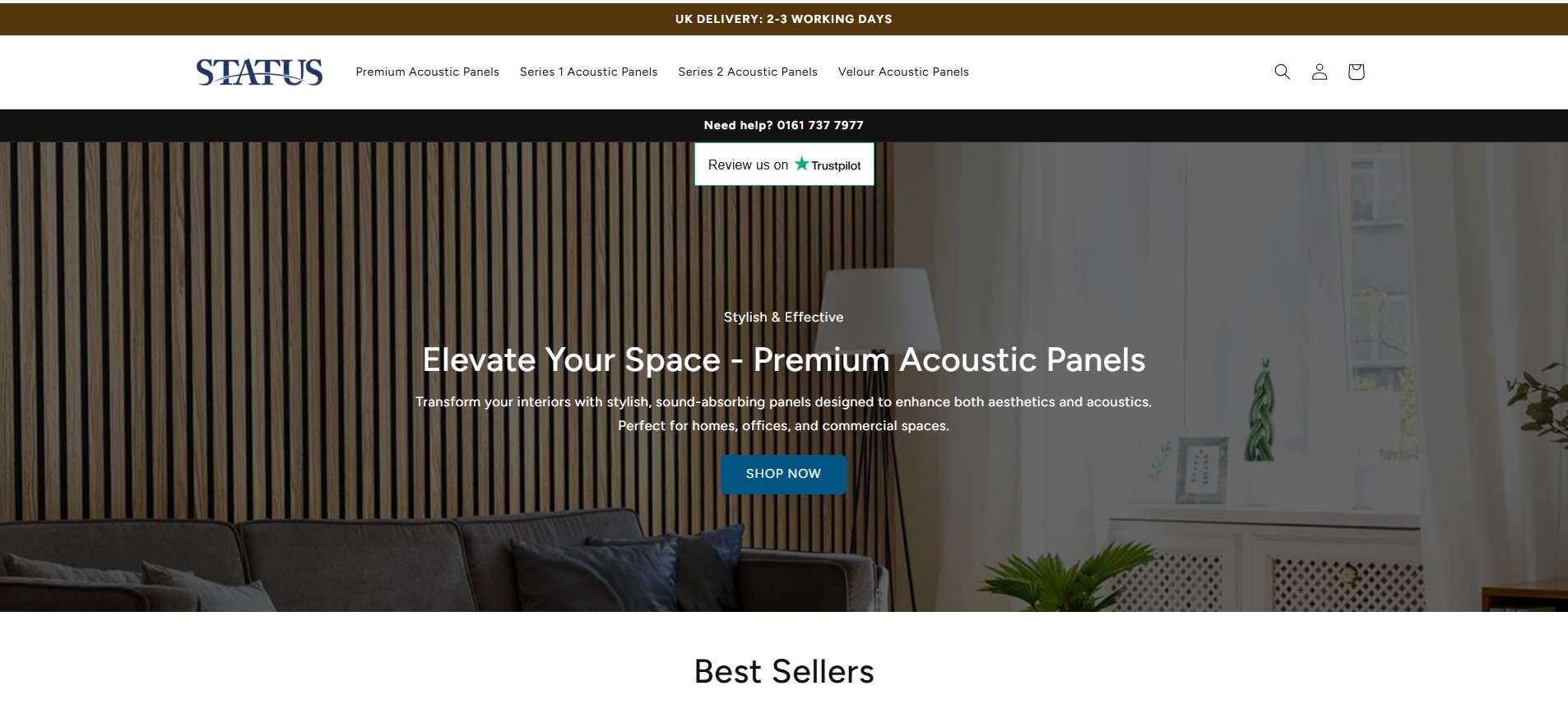
High-fidelity UI design focuses on creating detailed, realistic user interfaces that closely represent the final product. These designs include real content, accurate color schemes, typography, icons, images, and interactive components. Because they look and behave like the finished product, they allow businesses to test, refine, and perfect the user experience before development even begins.
At Zilancer, we create high-fidelity UI designs that combine aesthetics, usability, and strategy to build digital experiences that not only attract visitors but also convert them into loyal customers.
What is High-Fidelity UI Design?
High-fidelity UI design is the most detailed stage of the user interface design process. It transforms rough ideas and wireframes into fully visualized designs that closely resemble the final product.
Unlike low-fidelity wireframes, which focus mainly on layout and structure, high-fidelity designs include all the visual and interactive elements users will see in the finished website or application. This includes colors, typography, images, animations, buttons, icons, and realistic content.
Because these designs mimic the real user interface, they allow designers, developers, and stakeholders to understand exactly how the product will look and function before it goes into development.
This stage is essential because it helps ensure that both the product’s visual appeal and usability are carefully refined before it reaches users.
Creates a Powerful First Impression
First impressions matter tremendously in digital products. When users visit a website or open an application for the first time, they immediately evaluate its visual appeal, clarity, and professionalism.
High-fidelity UI design helps create a polished and professional interface that builds trust instantly. Clean layouts, modern visuals, and carefully chosen colors signal credibility and reliability.
When users feel confident about a platform’s design quality, they are far more likely to stay longer, explore the content, and engage with the product or service being offered.
Improves Usability and Navigation
A beautiful design is meaningless if users cannot easily navigate through it. High-fidelity UI design ensures that every element of the interface is optimized for usability.
Designers carefully structure navigation menus, product categories, buttons, and forms to make interactions simple and intuitive. Clear visual hierarchies guide users toward important information and actions without confusion.
When users can quickly find what they are looking for and interact with the interface effortlessly, their overall experience becomes smoother and more enjoyable.
Strengthens Brand Identity
Consistency in design plays a major role in building a strong and recognizable brand. High-fidelity UI design allows businesses to integrate their brand identity into every aspect of the user interface.
This includes consistent color palettes, typography styles, iconography, imagery, and visual patterns that reflect the brand’s personality and values.
A cohesive design not only makes the interface more attractive but also reinforces brand recognition. Over time, users begin to associate certain visual elements with the brand, strengthening trust and loyalty.
Enhances User Testing and Feedback
One of the biggest advantages of high-fidelity UI design is that it enables realistic user testing before development begins.
Since the design closely resembles the final product, designers can conduct usability testing to observe how real users interact with the interface. This helps identify potential usability problems, confusing layouts, or ineffective navigation structures early in the process.
Addressing these issues at the design stage saves time, reduces development costs, and ensures the final product delivers a much smoother user experience.
Improves Communication Between Teams
High-fidelity UI design also acts as a bridge between designers, developers, and stakeholders.
Because the design includes all visual details and interaction elements, developers can clearly understand how the interface should function. Stakeholders can also visualize the final product more accurately and provide meaningful feedback.
This clarity reduces misunderstandings, accelerates development, and ensures that everyone involved in the project is aligned on the same vision.
Increases User Engagement and Conversion Rates
Ultimately, the goal of any digital product is to encourage users to take meaningful actions, whether that means purchasing a product, signing up for a service, or contacting a business.
High-fidelity UI design helps guide users toward these actions through well-structured layouts, strategically placed call-to-action buttons, and clear visual cues.
When users feel comfortable navigating a platform and clearly understand what steps to take next, they are far more likely to complete conversions. A thoughtfully designed interface can significantly improve engagement, reduce bounce rates, and increase sales or leads.
Conclusion
High-fidelity UI design plays a crucial role in shaping the overall customer experience of digital products. By combining visual excellence with usability and strategic design thinking, businesses can create interfaces that are not only attractive but also highly functional.
From creating a strong first impression to improving usability, strengthening brand identity, and increasing conversion rates, high-fidelity UI design directly influences how users perceive and interact with a digital platform.
At Zilancer, we specialize in designing modern, conversion-focused UI/UX experiences that help businesses build powerful digital products. Our high-fidelity design process ensures that every interface we create delivers both beauty and performance, helping brands provide exceptional customer experiences and achieve long-term growth.