





In today’s highly competitive digital marketplace, businesses must do more than simply create a website or mobile application. Modern users expect fast, intuitive, and visually appealing digital experiences. If a website looks outdated, confusing, or poorly designed, visitors may quickly leave and search for alternatives. Because of this, user experience has become one of the most critical factors influencing online success.
User experience (UX) is not only about functionality but also about how users feel when interacting with a digital product. A well-designed interface should guide users smoothly through every step of their journey, from exploring information to completing key actions such as making a purchase, signing up for a service, or contacting a business.
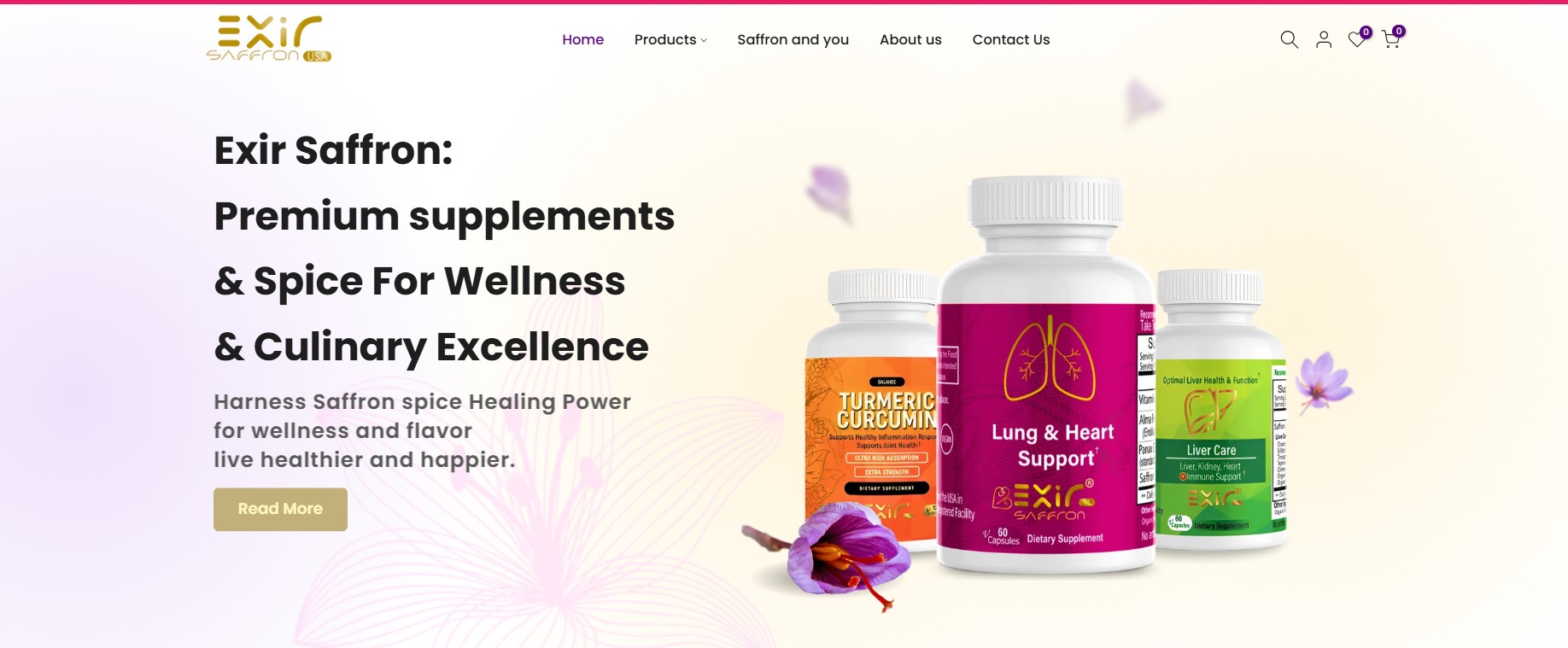
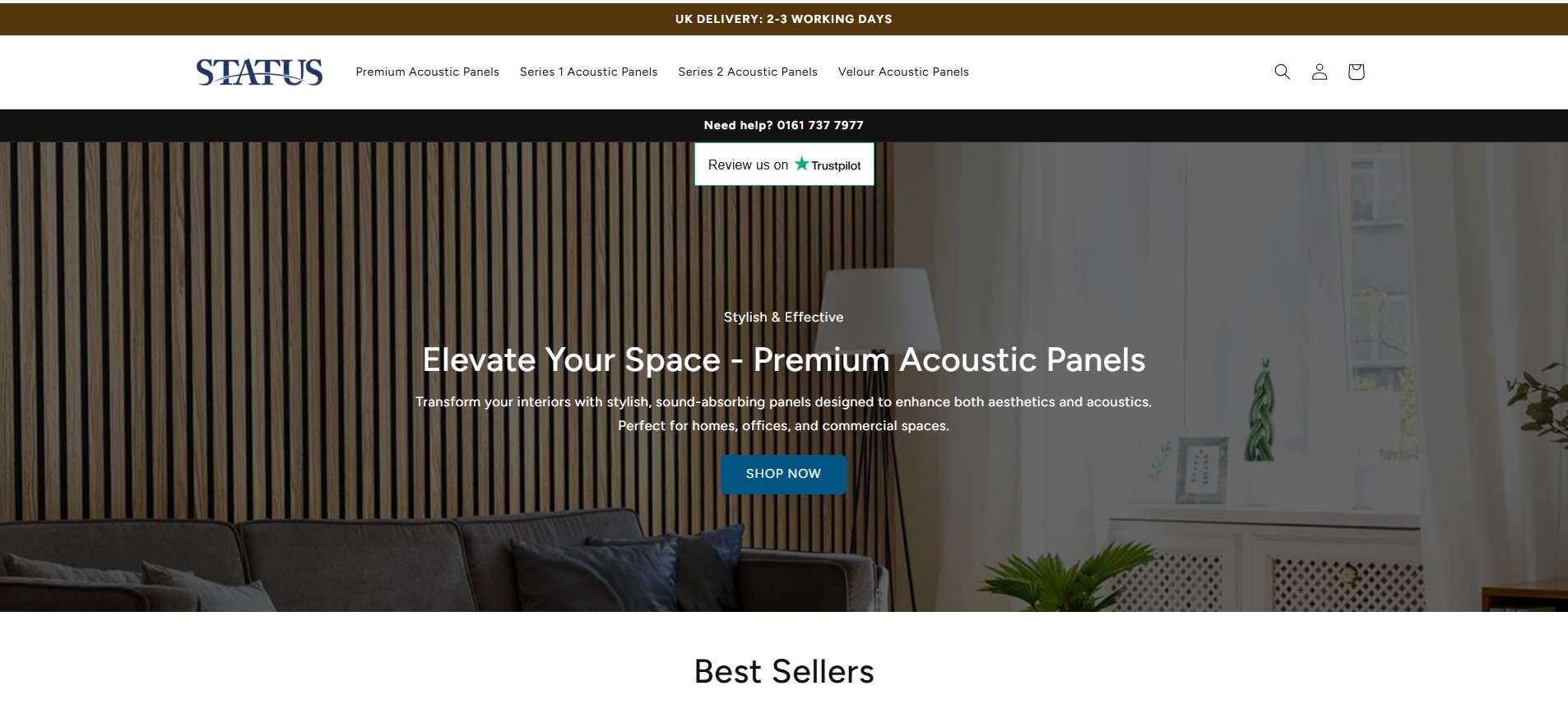
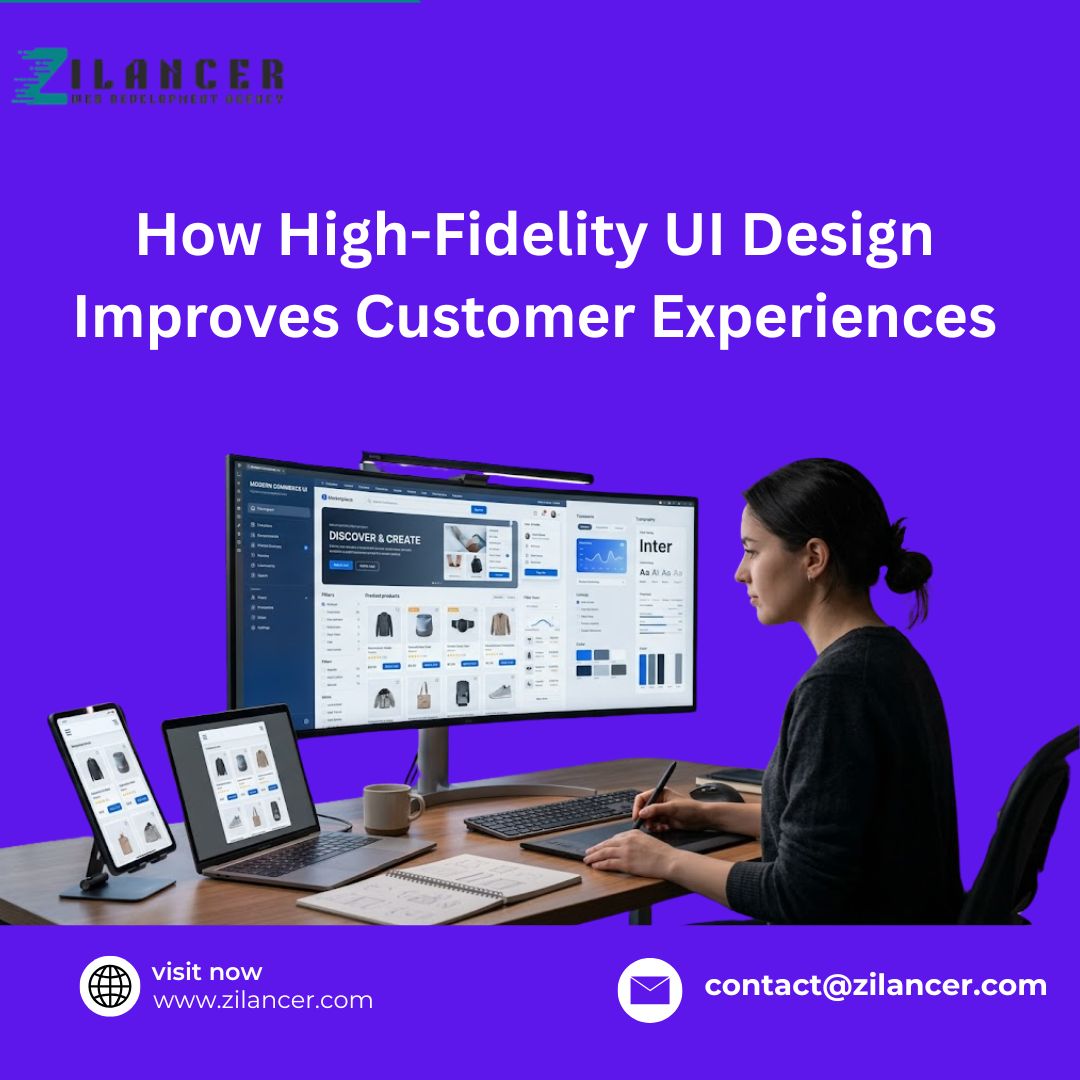
One of the most effective ways to achieve a high-quality user experience is through high-fidelity UI design. High-fidelity design focuses on creating detailed, visually polished interfaces that closely resemble the final product. These designs incorporate real content, brand colors, typography, icons, and interactive elements that demonstrate how the final website or application will function.
At Zilancer, we believe that great digital experiences start with thoughtful design. Our team specializes in creating high-fidelity UI designs that combine visual aesthetics with usability and functionality. The goal is not only to create beautiful interfaces but also to guide users smoothly through the customer journey, improving engagement, trust, and conversion rates.
In this article, we will explore what high-fidelity UI design is and how it significantly improves the overall customer experience.
What is High-Fidelity UI Design?
High-fidelity UI design refers to a detailed and realistic visual representation of a digital interface. Unlike simple sketches or low-fidelity wireframes, high-fidelity designs include the actual visual elements that will appear in the final product.
These elements often include precise layouts, real content, brand colors, typography, icons, images, and interactive components such as buttons, menus, and forms. The design closely simulates how the finished website or application will look and behave when users interact with it.
High-fidelity designs are typically created after the initial planning and wireframing stages of the design process. While wireframes focus on structure and layout, high-fidelity designs focus on the visual and interactive aspects of the interface.
This level of detail provides several advantages. Designers, developers, and stakeholders can clearly understand how the final product will function. It also allows businesses to test the user experience before development begins, helping identify potential usability issues early in the process.
As a result, high-fidelity UI design plays an important role in ensuring that the final digital product delivers a smooth, consistent, and engaging experience for users.
1. Creates a Professional First Impression
First impressions are extremely important in the digital world. When visitors land on a website for the first time, they form an opinion within a few seconds. If the interface looks outdated, cluttered, or poorly designed, users may immediately question the credibility of the business.
High-fidelity UI design helps create a polished and visually appealing interface that immediately builds trust with visitors. Clean layouts, balanced spacing, modern typography, and well-designed visual elements all contribute to a professional appearance.
A professional design encourages users to explore further rather than leaving the website. When visitors feel confident in the quality of a website, they are more likely to engage with its content, browse products, and interact with different sections of the platform.
This strong first impression plays a crucial role in increasing user engagement and reducing bounce rates.
2. Improves Website Usability
Usability is one of the most important aspects of user experience. Even the most visually attractive website will fail if users cannot easily understand how to navigate it.
High-fidelity UI design helps ensure that every interface element is placed thoughtfully and functions clearly. Buttons, navigation menus, product pages, forms, and other interactive elements are designed with the user’s behavior in mind.
For example, important actions such as “Add to Cart,” “Sign Up,” or “Contact Us” are clearly visible and strategically positioned. Navigation structures are designed to help users quickly locate the information they need.
This level of clarity reduces confusion and allows users to move through the website more efficiently.
When users can easily accomplish their goals without frustration, the overall experience becomes more satisfying and enjoyable.
3. Enhances Brand Consistency
Brand consistency is essential for building recognition and trust. Every digital interaction should reinforce the identity of the brand.
High-fidelity UI design ensures that visual elements such as colors, typography, icons, and layout styles remain consistent throughout the entire interface. This consistency helps create a cohesive visual language that represents the brand clearly.
For example, the same color palette should appear across all pages, while typography should follow a consistent hierarchy for headings, body text, and buttons. Icons and visual elements should follow the same design style to maintain harmony throughout the interface.
Consistent branding makes a website feel more professional and reliable. It also helps users remember the brand and recognize it across different digital platforms.
Over time, strong visual consistency strengthens brand identity and builds long-term trust with customers.
4. Supports Better User Testing
One of the biggest advantages of high-fidelity UI design is that it enables effective user testing before development begins.
Since high-fidelity prototypes closely resemble the final product, designers can simulate user interactions and observe how users respond to different interface elements. This helps identify potential usability problems early in the design process.
For example, testing may reveal that users struggle to locate a specific feature, misunderstand a button’s function, or encounter difficulty navigating through certain pages.
By identifying these issues before development starts, businesses can make improvements quickly and efficiently. This prevents costly changes later in the development stage.
User testing with high-fidelity prototypes ultimately leads to a more refined and user-friendly final product.
5. Improves Conversion Rates
Conversion rate is one of the most important metrics for digital businesses. Whether the goal is making a purchase, registering for a service, or submitting a contact form, the interface plays a major role in guiding users toward these actions.
High-fidelity UI design focuses on creating clear visual hierarchies and intuitive navigation paths that encourage users to take specific actions.
For example, strategically placed call-to-action buttons help guide users through the customer journey. Clean layouts reduce distractions, allowing users to focus on key content and offers.
When users can easily understand what steps to take next, they are more likely to complete the desired action.
This improved clarity and usability often result in higher conversion rates and better overall business performance.
6. Reduces Development Errors
Clear communication between designers and developers is essential for building successful digital products. Misunderstandings during development can lead to design inconsistencies, functional issues, and delays.
High-fidelity UI designs provide detailed visual specifications that guide developers throughout the development process. These designs clearly illustrate layout structures, spacing, typography, colors, and interactive behaviors.
Because developers can see exactly how each component should appear and function, there is less room for confusion.
This reduces the likelihood of design errors and ensures that the final product accurately reflects the intended design.
As a result, the development process becomes more efficient and collaborative.
7. Encourages User Engagement
An engaging interface encourages users to spend more time exploring a website or application. High-fidelity UI design uses visual hierarchy, attractive layouts, and subtle interactions to capture users’ attention.
Interactive elements such as hover effects, animations, and dynamic content can make the experience feel more responsive and interactive. These details create a sense of immersion and encourage users to continue browsing.
Engaged users are more likely to explore multiple pages, read content, view products, and interact with different features.
Increased engagement not only improves the overall user experience but also strengthens the relationship between the user and the brand.
8. Improves Accessibility and Clarity
A well-designed interface should be accessible to as many users as possible. High-fidelity UI design helps ensure that important accessibility principles are considered during the design process.
Proper contrast between text and background colors improves readability. Clear typography and logical layout structures make content easier to scan and understand.
Designers can also ensure that buttons and interactive elements are large enough to be easily clicked or tapped, especially on mobile devices.
By focusing on accessibility and clarity, businesses can provide a better experience for a wider audience.
Conclusion
High-fidelity UI design plays a crucial role in shaping the overall customer experience of digital products. By creating detailed and visually polished interfaces, businesses can ensure that their websites and applications are both attractive and easy to use.
From improving usability and brand consistency to supporting user testing and increasing conversions, high-fidelity design offers numerous benefits for businesses looking to create effective digital experiences.
When users interact with a well-designed interface, they feel more confident navigating the platform, exploring its features, and completing important actions.
At Zilancer, we specialize in designing high-fidelity UI interfaces that combine aesthetics, usability, and strategic thinking. Our goal is to help businesses create digital experiences that not only look beautiful but also guide users smoothly through their journey.
By investing in high-quality UI design, businesses can strengthen their brand, improve customer satisfaction, and ultimately convert more visitors into loyal customers.