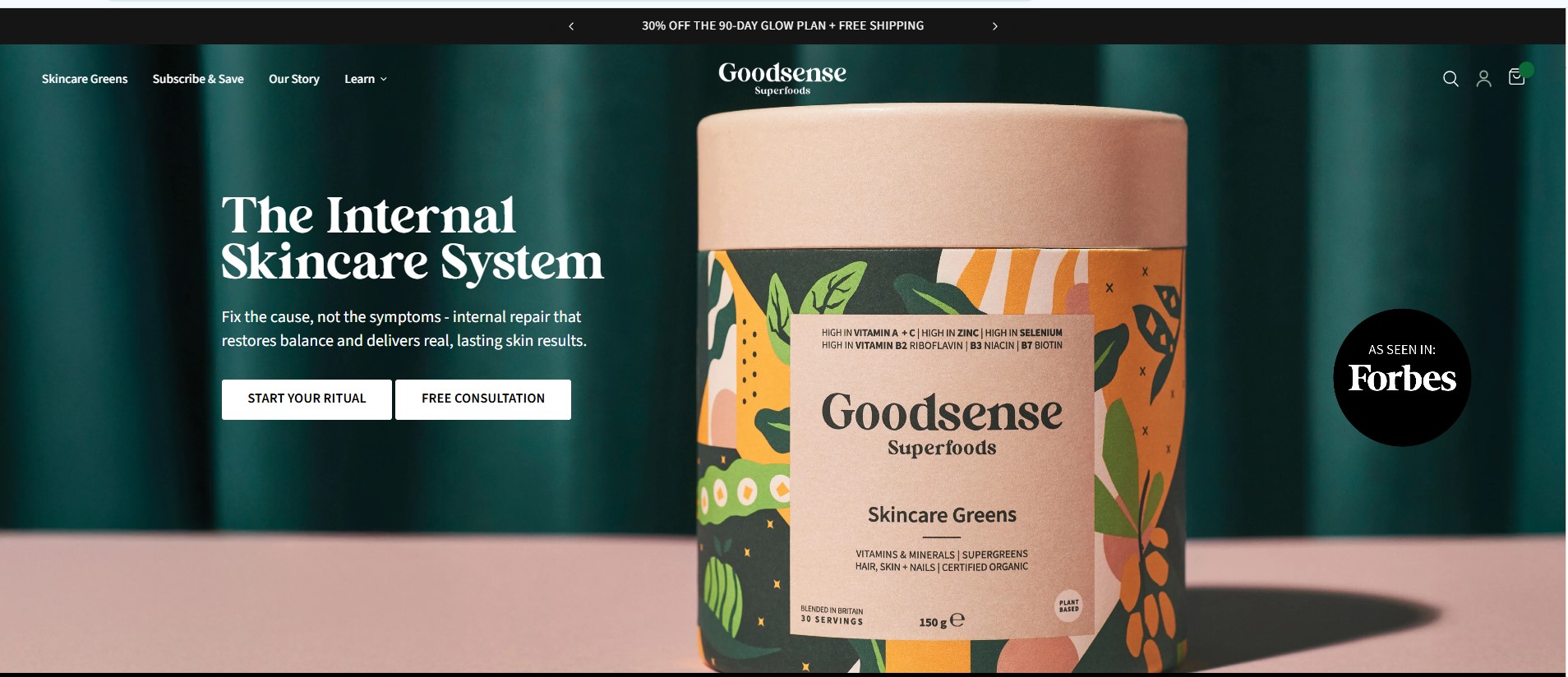









Building a successful eCommerce business begins with choosing the right platform. In 2026, Shopify Growing Businesses continues to dominate the global eCommerce industry as one of the most reliable, scalable, and business-friendly platforms available. From startups launching their first online store to large enterprises managing thousands of daily transactions, Shopify provides a complete ecosystem designed for growth, efficiency, and long-term scalability. The modern eCommerce landscape is highly competitive. Businesses are not only competing on price but also on user experience, speed, convenience, and reliability. Shopify addresses all of these challenges by offering a powerful all-in-one solution that removes technical barriers and allows businesses to focus on what truly matters: building their brand, attracting customers, and increasing revenue.
Unlike many traditional platforms that require separate hosting, complex configurations, and continuous maintenance, Shopify provides everything under one roof. Hosting, security, updates, and platform performance are all handled by Shopify itself. This means business owners can spend less time worrying about technical issues and more time focusing on marketing strategies, product development, and scaling their operations. One of the biggest reasons Shopify has become the preferred choice for modern eCommerce businesses is its simplicity. Setting up and managing an online store no longer requires deep technical expertise or a large development team. Shopify offers an intuitive dashboard, easy product management, streamlined order processing, and a user-friendly interface that makes store management efficient even for non-technical users. Entrepreneurs can launch their store quickly, manage inventory, track sales, and monitor performance without complicated setups. At the same time, Shopify does not sacrifice flexibility for simplicity. Developers and advanced users can access powerful customization options, APIs, and integrations to build highly customized stores that match specific business needs. This balance between simplicity and flexibility is one of Shopify’s strongest advantages in the e-commerce ecosystem.
Scalability That Supports Growing Businesses
A Powerful App and Integration Ecosystem – Growing Businesses
A powerful app and integration ecosystem is a key driver of growth for modern eCommerce businesses, enabling them to expand capabilities without rebuilding their entire platform. As businesses grow, their needs become more complex—ranging from advanced marketing automation and customer relationship management to inventory control and data analytics. A strong ecosystem allows seamless integration of specialized tools that enhance functionality while maintaining a smooth and consistent user experience. Instead of relying on a single system to do everything, businesses can combine the best solutions tailored to their specific goals. One of the biggest advantages of a robust app ecosystem is flexibility. Businesses can start with essential tools and gradually add more advanced integrations as they scale, without disrupting existing operations. Whether it’s integrating payment gateways, email marketing platforms, or shipping solutions, each app works together to create a more efficient and streamlined workflow. This interconnected environment reduces manual tasks, improves accuracy, and saves valuable time, allowing teams to focus on strategic growth rather than operational challenges.
Additionally, a well-managed integration ecosystem supports innovation and adaptability. As new technologies and trends emerge, businesses can quickly adopt them through compatible apps, staying competitive in a fast-changing market. However, it’s important to maintain balance—choosing high-quality, performance-optimized integrations rather than overloading the system. When implemented strategically, a powerful app and integration ecosystem not only enhances daily operations but also provides the scalability, efficiency, and agility needed to support long-term business success.
Flexible Design and User Experience
Flexible design and user experience are essential for creating an eCommerce store that can adapt to changing customer needs and business goals. A flexible design ensures that the website layout, structure, and visual elements can be easily modified without requiring a complete rebuild. This allows businesses to update branding, launch new campaigns, or introduce new features quickly and efficiently. Instead of being locked into rigid templates, a flexible system gives full control over customization, helping brands create a unique identity that stands out in a competitive market.
User experience (UX) plays an equally important role, focusing on how visitors interact with the store. A well-optimized UX ensures smooth navigation, clear product discovery, fast loading times, and a hassle-free checkout process. Every element—from menu structure to call-to-action buttons—is designed to guide users naturally toward conversion. Flexibility in UX also means the ability to test and refine different layouts, features, and content based on user behavior and data insights. This continuous improvement helps businesses align their store with customer expectations and preferences.
Moreover, flexible design and UX are crucial for supporting multi-device accessibility. With users browsing on desktops, tablets, and smartphones, a responsive and adaptable design ensures a consistent experience across all screen sizes. As businesses grow, this flexibility allows them to scale their store, integrate new tools, and enhance functionality without compromising performance or usability. Ultimately, a flexible design combined with a user-focused approach creates a dynamic, engaging, and conversion-friendly environment that supports long-term success. Global commerce made easy is about enabling businesses to sell beyond borders without the usual complexity of international operations. As eCommerce continues to expand worldwide, brands have the opportunity to reach customers in multiple countries, but success depends on creating a seamless cross-border shopping experience. This includes supporting multiple currencies, localized pricing, and region-specific payment methods so customers can shop comfortably in their preferred format. When shoppers feel familiar with the buying process, trust increases and conversions naturally improve. Localization goes beyond just currency—it also involves language, cultural preferences, and region-based content. A well-optimized global store adapts its messaging, visuals, and offers to match the expectations of different markets. Additionally, efficient shipping and logistics integration play a major role in global commerce. Clear delivery timelines, transparent shipping costs, and reliable tracking systems help reduce uncertainty and build confidence among international customers.
Another important factor is compliance and scalability. Businesses must consider taxes, duties, and local regulations while ensuring their platform can handle increased traffic and transactions from different regions. Automation tools and integrations simplify these processes, reducing manual effort and minimizing errors. By combining flexibility, localization, and reliable infrastructure, global commerce becomes more accessible and manageable. Ultimately, making global selling easy allows businesses to expand their reach, tap into new markets, and unlock long-term growth opportunities.
Why Businesses Choose Shopify in 2026
In 2026, businesses continue to choose Shopify because it offers a powerful, scalable, and user-friendly ecosystem that supports every stage of eCommerce growth. One of the main reasons is its simplicity combined with advanced functionality. Shopify allows entrepreneurs to launch and manage online stores without deep technical knowledge, while still providing access to highly customizable features for developers and growing brands. This balance makes it suitable for startups, mid-sized businesses, and enterprise-level companies alike. Another key reason is scalability. As businesses grow, Shopify grows with them—handling increased traffic, larger product catalogs, and higher order volumes without compromising performance. Its cloud-based infrastructure ensures fast loading speeds, high uptime, and reliable performance even during peak sales events. This stability is critical for brands that cannot afford downtime or slow checkout experiences. Shopify also stands out due to its extensive app ecosystem and integrations. In 2026, businesses rely heavily on automation, AI tools, and advanced marketing systems, all of which can be easily connected through Shopify’s marketplace. From inventory management and customer support to email marketing and analytics, everything can be integrated into a single streamlined system, reducing operational complexity and improving efficiency. Security and trust are another major factor. Shopify provides built-in security features, PCI compliance, and regular updates, ensuring safe transactions for both merchants and customers. Additionally, its global commerce capabilities make it easy for businesses to sell internationally with multi-currency support, localized checkout experiences, and flexible payment options. Finally, Shopify’s continuous innovation keeps it ahead of industry trends. With ongoing improvements in AI-driven personalization, conversion optimization tools, and headless commerce capabilities, businesses can stay competitive in a rapidly evolving digital market. In short, companies choose Shopify in 2026 because it delivers reliability, flexibility, and growth potential in one complete eCommerce solution.
In 2026, Shopify continues to lead the e-commerce industry by simplifying complex processes and providing powerful tools for growth. Its all-in-one infrastructure, scalability, security, and extensive ecosystem make it the ideal platform for businesses that want to launch, grow, and scale successfully in the digital marketplace.