







The success of an online store depends on much more than just offering great products. In today’s competitive digital marketplace, the overall shopping experience plays a crucial role in determining whether visitors stay, explore, and ultimately make a purchase. This is where effective UI/UX design becomes a powerful driver of business growth and increases Shopify Store Conversions.
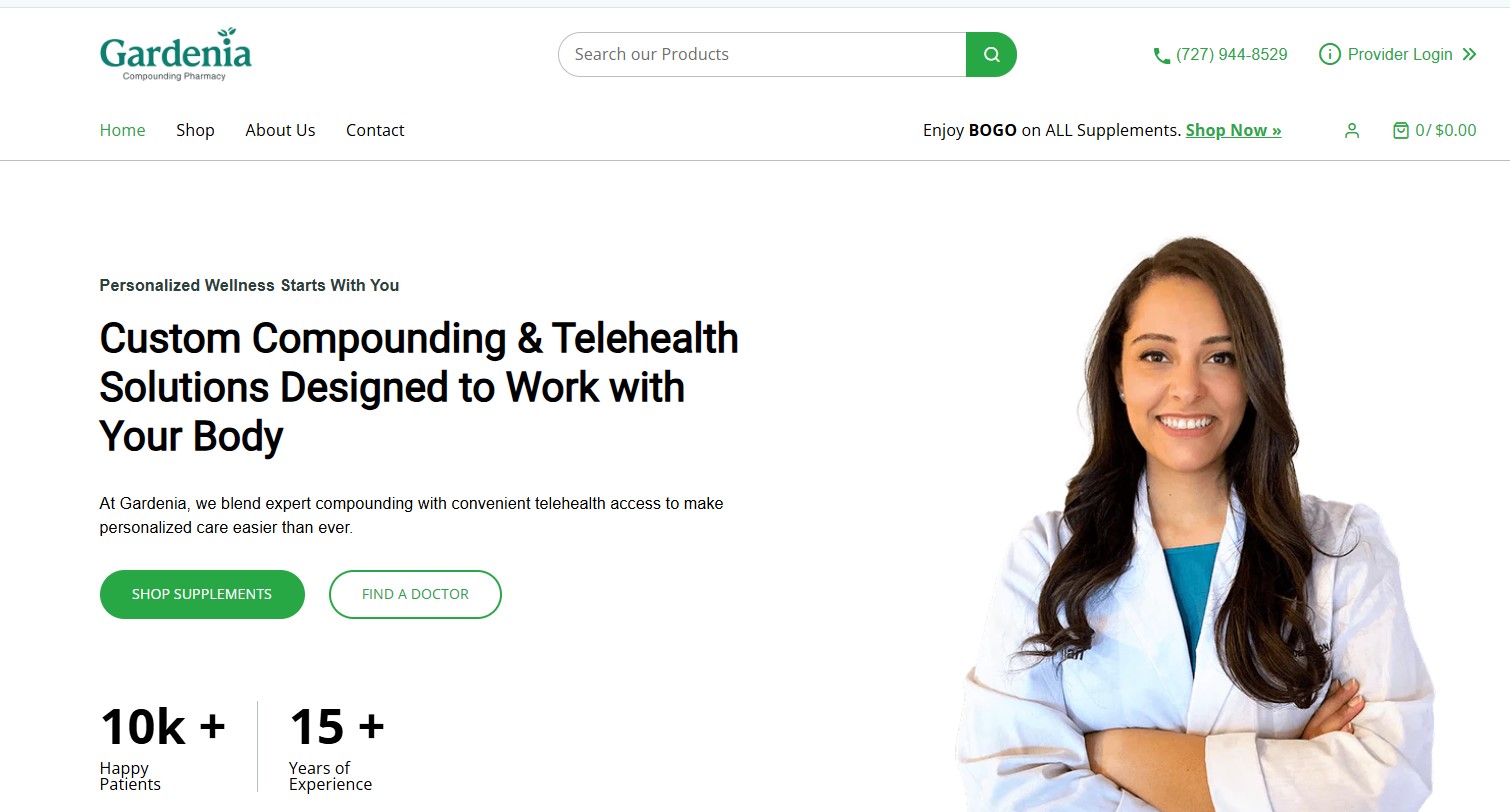
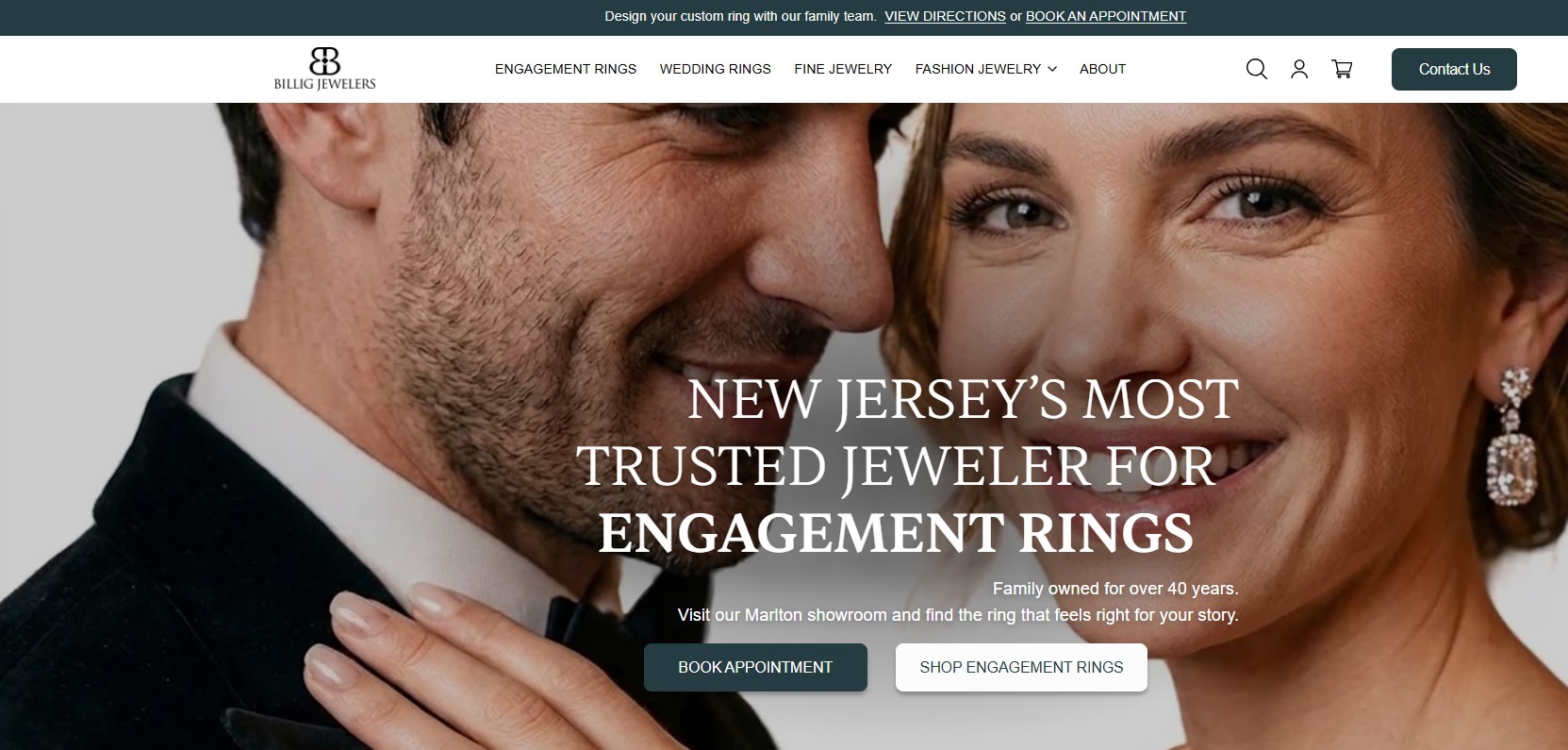
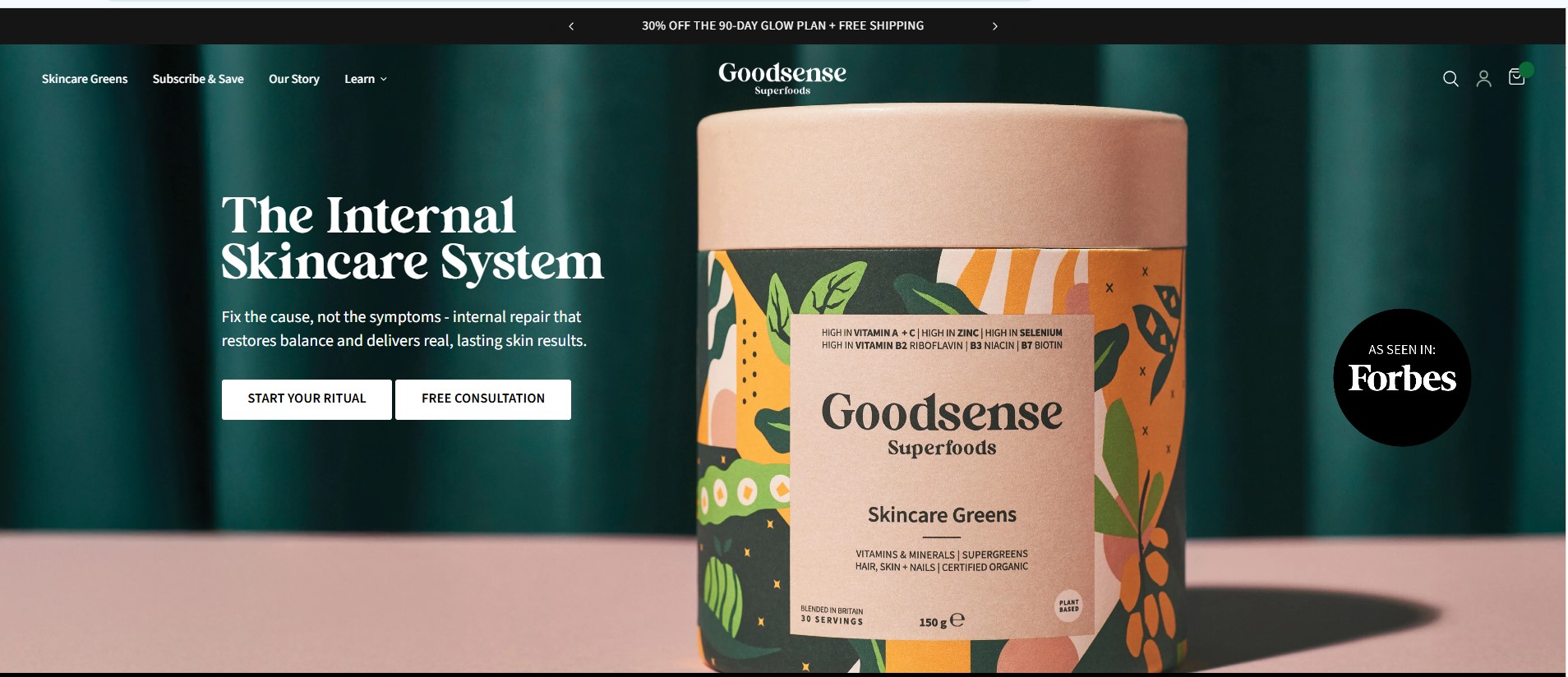
For stores built on Shopify, a well-structured user interface (UI) and a carefully planned user experience (UX) can significantly improve customer engagement, reduce friction in the buying journey, and increase conversion rates. When visitors land on an online store, they expect a seamless, intuitive, and enjoyable experience. If the website is confusing, slow, or difficult to navigate, users will quickly leave and look for alternatives. On the other hand, a well-designed store makes it easy for customers to find products, understand value, and complete purchases without frustration. In the world of e-commerce, first impressions are formed within seconds. When a visitor enters a Shopify store for the first time, they immediately evaluate the credibility, professionalism, and usability of the website. A clean layout, modern typography, well-balanced colors, and high-quality visuals create a sense of trust and professionalism. When users feel comfortable and confident about a store, they are far more likely to continue browsing and consider making a purchase. Poor design, cluttered layouts, and inconsistent visuals can quickly damage credibility. Visitors may question the reliability of the store, the quality of the products, or even the security of their payments. This often leads to higher bounce rates and lost revenue. Good UI design ensures that the store immediately communicates professionalism, brand identity, and reliability, helping visitors feel confident enough to explore further.
Clear Navigation Improves User Experience
Clear navigation plays a crucial role in improving user experience because it directly affects how easily visitors can find what they are looking for on a website. When navigation is simple, structured, and intuitive, users can move through the store without confusion, reducing frustration and increasing engagement. A well-organized menu, logical category structure, and clearly labeled sections help guide users naturally toward products or information, making their journey smooth and efficient.
In eCommerce, clear navigation is even more important because it directly influences conversions. If customers struggle to locate products or understand where to go next, they are more likely to leave the site without making a purchase. On the other hand, a streamlined navigation system helps users discover relevant products faster, which increases the chances of completing a sale. Features like search bars, filters, and breadcrumb trails further enhance usability by giving users multiple ways to explore the store.
Clear navigation also improves trust and professionalism. A well-structured website gives the impression of an organized and credible brand, which encourages customers to stay longer and explore more pages. Especially on mobile devices, where screen space is limited, simple and responsive navigation becomes essential for maintaining a positive experience. Ultimately, investing in clear navigation is not just a design choice—it is a strategic decision that enhances usability, boosts engagement, and drives higher conversions.
Today, a large percentage of online shopping happens on smartphones. If a Shopify store is not optimized for mobile devices, it can lose a significant number of potential customers.
Mobile UX design focuses on creating a smooth experience for smaller screens by ensuring that:
-
Pages load quickly
-
Buttons are easy to tap
-
Images display correctly
-
Text remains readable
-
Navigation is simple and accessible
A responsive design ensures that the store adapts perfectly across desktops, tablets, and smartphones. When customers can browse and purchase products effortlessly on their mobile devices, conversion rates increase significantly. Mobile optimization is not just a design preference anymore—it is a fundamental requirement for modern eCommerce success. Visual Hierarchy Guides Customer Attention. Visual hierarchy guides customer attention by organizing design elements in a way that naturally directs users toward the most important information first. In eCommerce, where customers make quick decisions, this principle plays a crucial role in shaping how visitors interact with a store. By using size, color, contrast, spacing, and positioning, designers can highlight key elements such as product titles, pricing, call-to-action buttons, and promotional offers. When done effectively, visual hierarchy reduces confusion and helps users focus on what truly matters without feeling overwhelmed. A strong visual hierarchy improves user experience by creating a clear flow of information. For example, larger headings draw attention first, followed by supporting text, and finally action elements like “Add to Cart” or “Buy Now” buttons. This structured approach ensures that users are guided step by step through the page, making their journey more intuitive and efficient. It also helps eliminate unnecessary distractions, keeping the customer’s attention focused on conversion-driven elements. In addition, visual hierarchy enhances brand perception and professionalism. A well-structured design communicates clarity, confidence, and trust, which are essential for online purchasing decisions. It also plays a significant role in mobile optimization, where limited screen space makes prioritization even more important. By strategically controlling what users see first and how they navigate content, businesses can significantly improve engagement, reduce bounce rates, and increase conversions. Ultimately, visual hierarchy is not just a design technique—it is a powerful tool for guiding behavior and driving results in eCommerce.
Checkout Optimization Reduces Cart Abandonment
Checkout optimization plays a critical role in reducing cart abandonment by making the final stage of the buying journey as smooth, fast, and friction-free as possible. Many online stores lose potential customers not because of poor products or pricing, but because of a complicated or confusing checkout process. When users are forced to deal with long forms, unexpected costs, slow-loading pages, or limited payment options, they often abandon their carts before completing the purchase. Optimizing this stage helps remove these barriers and increases the likelihood of conversion. A well-optimized checkout process focuses on simplicity and clarity. This includes minimizing the number of steps required to complete a purchase, enabling guest checkout options, and using auto-fill features to reduce manual input. Clear progress indicators also help users understand how close they are to finishing their order, which reduces uncertainty and keeps them engaged. Transparency is equally important—showing total costs, taxes, and shipping fees upfront prevents last-minute surprises that often lead to abandonment.
Trust and security are also key factors in checkout optimization. Displaying secure payment badges, offering trusted payment gateways, and ensuring a professional design all help reassure customers during the final decision-making stage. Additionally, providing multiple payment options—such as cards, digital wallets, and local payment methods—ensures that users can choose their preferred method without friction. Mobile optimization is another essential aspect, as a large percentage of users shop on smartphones. A mobile-friendly checkout with easy navigation, responsive design, and quick loading times significantly improves completion rates. Ultimately, checkout optimization reduces cart abandonment by eliminating friction, building trust, and creating a seamless purchasing experience that encourages customers to complete their orders confidently and efficiently.
UI/UX design plays a critical role in the success of any Shopify store. A well-designed shopping experience helps visitors navigate easily, understand product value, build trust, and complete purchases without friction. From strong first impressions and intuitive navigation to mobile optimization and streamlined checkout experiences, every design decision contributes to higher conversion rates. Investing in professional UI/UX design is not just about improving the appearance of a store—it is a strategic decision that drives customer engagement, satisfaction, and long-term revenue growth. For businesses that want to maximize the performance of their Shopify store, focusing on user experience is one of the most powerful steps toward sustainable eCommerce success.