








Launching an online store is easier than ever, but building a successful and profitable eCommerce business requires more than simply listing products. A high-performing store needs the right combination of design, functionality, and user experience to attract visitors and convert them into customers.
Platforms like Shopify provide powerful tools for building and scaling online stores, but success depends on how well these tools are implemented. The most successful Shopify stores share several key features that improve customer experience, build trust, and increase conversions.
Below are ten essential features that every successful Shopify store should include.
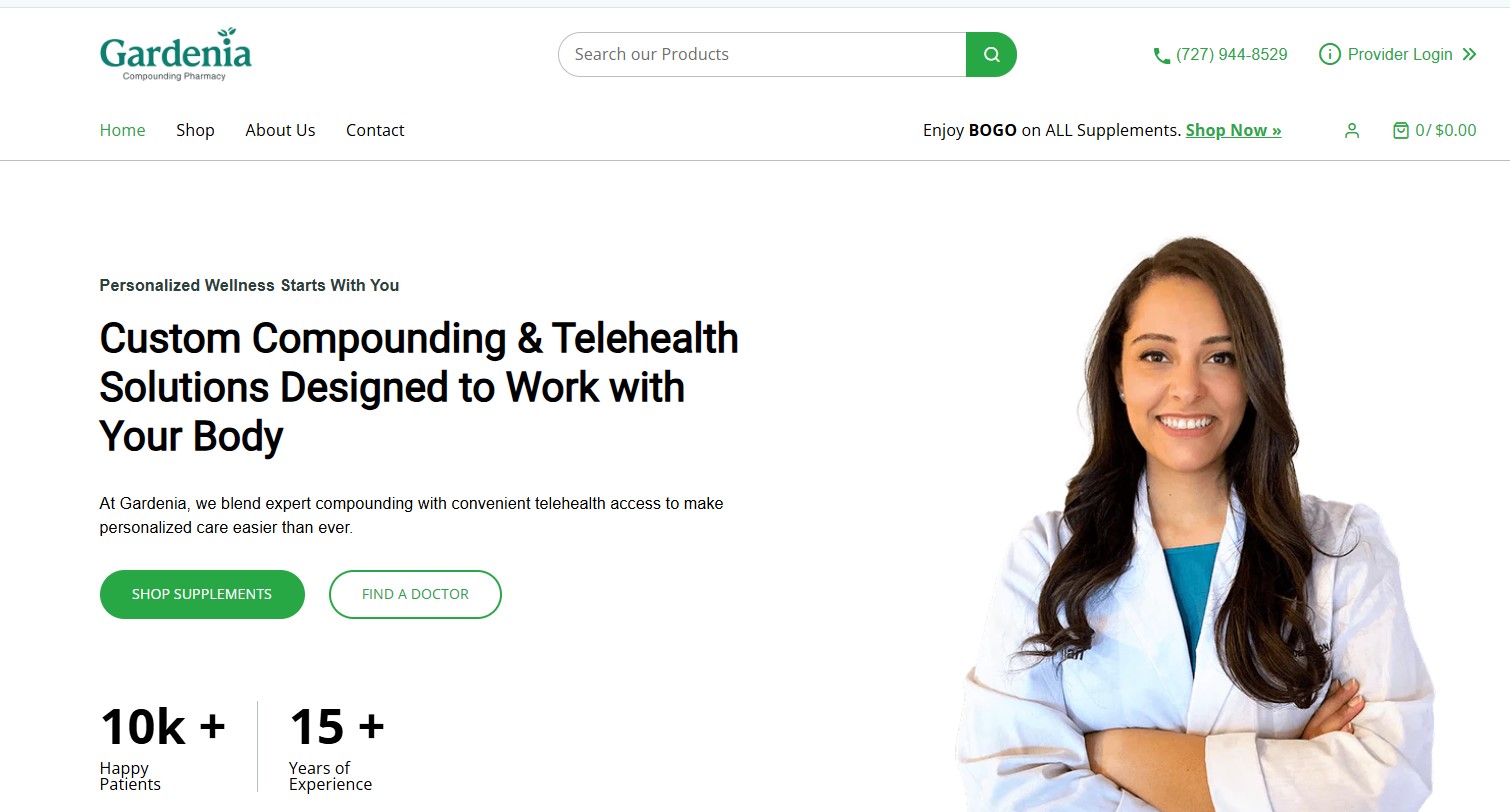
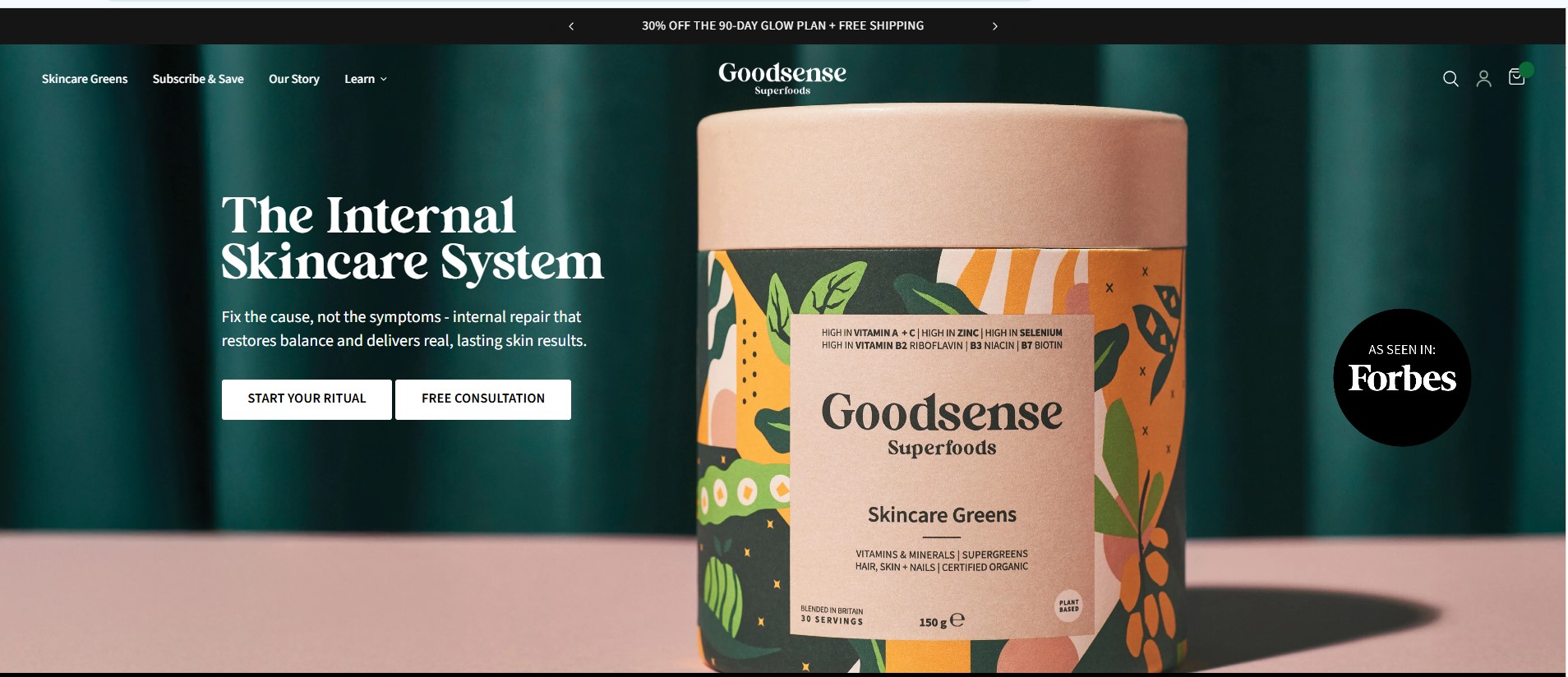
Professional and Trustworthy Store Design
A professional and trustworthy store design is one of the most important foundations of a successful eCommerce business. Before customers read your product descriptions or compare prices, they judge your store based on how it looks and feels. In fact, users form an opinion about your website within seconds, and that first impression often determines whether they stay or leave. A professional design starts with clarity and simplicity. Your store should be easy to navigate, with a clean layout that guides visitors naturally toward products and key actions like “Add to Cart” or “Checkout.” Overly complex designs, cluttered pages, or confusing menus create friction and reduce trust. A well-structured design helps customers find what they need quickly and confidently.
Visual consistency is also essential for building trust. Your colors, fonts, images, and overall branding should work together to create a cohesive identity. When everything feels aligned and intentional, your store appears more reliable and established. On the other hand, inconsistent design elements can make your business look unprofessional or unfinished.High-quality visuals play a major role as well. Clear product images, zoom functionality, and clean backgrounds help customers understand what they are buying. Poor-quality or inconsistent images can raise doubts about product authenticity and reduce conversions.
Trust-building elements should be integrated throughout the design. This includes visible reviews, testimonials, secure payment badges, return policies, and clear contact information. When customers see that others have had positive experiences and that your store is transparent, they feel more comfortable making a purchase.Mobile optimization is another critical factor. A trustworthy store must perform smoothly on all devices, especially smartphones. If your store is difficult to use on mobile, customers may question its reliability and leave before completing a purchase. Ultimately, a professional and trustworthy store design is not just about aesthetics—it directly impacts credibility, user experience, and sales. When your store looks clean, feels consistent, and builds confidence at every step, customers are far more likely to trust your brand and complete their purchase.
Clear and Intuitive Navigation
Clear and intuitive navigation is one of the most important elements of a successful eCommerce store because it directly affects how easily customers can find what they are looking for. If visitors struggle to navigate your website, they will quickly become frustrated and leave—no matter how good your products or prices are. A well-structured navigation system guides users smoothly through your store and helps them reach the checkout with minimal effort.
The foundation of intuitive navigation is simplicity. Your menu should be clean, organized, and easy to understand at first glance. Avoid overwhelming users with too many categories or confusing labels. Instead, group products into logical sections that match how customers naturally think and shop. For example, categories should be clear, specific, and relevant to user intent. Search functionality is another critical component. A powerful search bar allows customers to quickly find specific products without browsing through multiple pages. Features like auto-suggestions, filters, and smart results can significantly improve the shopping experience and reduce friction. Consistency across all pages also plays a key role. Navigation elements should remain in the same position throughout the website so users always know where to find them. Whether they are on the homepage, product page, or checkout page, the experience should feel familiar and predictable.Mobile navigation deserves special attention. Since a large portion of users shop from mobile devices, menus should be responsive, easy to tap, and optimized for smaller screens. A clutter-free mobile experience ensures customers can browse effortlessly without zooming or struggling to click elements.
Internal linking and breadcrumb navigation further enhance usability by helping users understand where they are within your site and how to move back or explore related products. This not only improves user experience but also encourages deeper browsing and higher engagement. Ultimately, clear and intuitive navigation reduces confusion, builds confidence, and keeps users engaged. When customers can effortlessly find what they need, they are more likely to stay longer, explore more products, and complete their purchase—leading to higher conversions and better overall performance for your store.
High-Quality Product Images and Descriptions
High-quality product images and detailed descriptions are essential for building trust and driving conversions in any eCommerce store. Since customers cannot physically touch or try products online, visuals and written content become the primary tools for helping them make a purchase decision. If either of these elements is weak, it can create doubt and significantly reduce sales.Product images are often the first thing customers notice. Clear, high-resolution images from multiple angles help shoppers understand exactly what they are buying. Zoom functionality, lifestyle images, and close-up shots add even more clarity by showing texture, size, and real-world usage. When customers can visually connect with a product, they feel more confident in their decision to purchase. Poor-quality or blurry images, on the other hand, can make even a great product look unreliable.
Consistency is also important in product photography. All images should follow a similar style, background, and lighting to create a professional and trustworthy look across your store. This not only improves aesthetics but also strengthens your overall brand identity. Alongside visuals, product descriptions play a critical role in convincing customers. A strong description does more than list features—it explains benefits. Instead of just telling what the product is, it should highlight how it solves a problem, improves the user’s life, or adds value. Clear, concise, and persuasive language helps customers emotionally connect with the product. Good descriptions should also include important details such as size, materials, specifications, usage instructions, and care information. This reduces uncertainty and helps customers make informed decisions without needing to contact support. The more transparent and informative your content is, the more trustworthy your store appears.SEO optimization is another benefit of well-written product descriptions. Using relevant keywords naturally within your content helps your products appear in search results, bringing in more organic traffic and potential buyers.
Ultimately, high-quality images and descriptions work together to build trust, reduce hesitation, and increase conversions. When customers clearly understand what they are buying and feel confident in its quality, they are far more likely to complete their purchase and return for future orders.
Mobile-Optimized Design
A mobile-optimized design is no longer optional in eCommerce—it is essential for driving traffic, engagement, and conversions. With a large majority of online shoppers browsing and purchasing through smartphones, your store must deliver a seamless mobile experience or risk losing a significant portion of potential customers.
A mobile-optimized design ensures that your website automatically adjusts to different screen sizes without compromising usability or appearance. This means text remains readable, buttons are easy to tap, and images scale properly without distortion. When users can navigate your store effortlessly on a small screen, they are more likely to stay longer and complete a purchase.
Speed is especially critical on mobile devices. Mobile users often have less patience for slow-loading pages, and even a few extra seconds can lead to high bounce rates. Optimizing images, reducing unnecessary scripts, and using lightweight design elements can significantly improve load times and overall performance. A fast mobile experience directly contributes to higher conversions and better user satisfaction.
Navigation should also be simplified for mobile users. Compact menus, sticky headers, and easy-to-access search bars help customers find products quickly without excessive scrolling or confusion. A clean and minimal layout ensures that users can focus on shopping rather than figuring out how to move around your store.
Touch-friendly design is another important factor. Buttons should be large enough to tap easily, forms should be simple to fill out, and spacing should prevent accidental clicks. These small adjustments greatly improve usability and reduce frustration during the shopping journey.
Mobile optimization also plays a key role in SEO. Search engines prioritize mobile-friendly websites in their rankings, meaning a well-optimized mobile store can attract more organic traffic and visibility.
Ultimately, a mobile-optimized design creates a smooth, fast, and enjoyable shopping experience for users on the go. When customers can browse, explore, and purchase without friction on their phones, your store builds trust, increases engagement, and drives higher sales across all devices.
Integrated Marketing Tools
Integrated marketing tools play a crucial role in helping eCommerce businesses streamline their operations, improve customer engagement, and drive consistent sales growth. Instead of managing multiple disconnected systems, integrated tools bring everything together in one ecosystem—making marketing more efficient, data-driven, and scalable. One of the biggest advantages of integrated marketing tools is automation. Businesses can automate email campaigns, abandoned cart reminders, product recommendations, and customer follow-ups without manual effort. This ensures that potential customers are continuously nurtured throughout their buying journey, increasing the chances of conversion. Another key benefit is better customer data management. When marketing tools are connected to your store, you can track customer behavior, purchase history, and browsing patterns in real time. This data allows you to create highly targeted campaigns that speak directly to customer needs and preferences, making your marketing more effective and personalized.
Integrated tools also improve consistency across different marketing channels. Whether you are running email marketing, social media ads, or SMS campaigns, having a unified system ensures that your messaging remains aligned. This consistency builds stronger brand recognition and trust among your audience. Analytics and performance tracking are also significantly enhanced. You can easily measure which campaigns are driving sales, which products are performing best, and where customers are dropping off. With this insight, businesses can make smarter decisions and continuously optimize their marketing strategies for better results. Additionally, integration reduces complexity and saves time. Instead of switching between multiple platforms, everything is managed from a central dashboard. This improves workflow efficiency and allows teams to focus more on strategy rather than manual tasks. Ultimately, integrated marketing tools help transform a simple online store into a powerful growth engine. By combining automation, data insights, and multi-channel coordination, businesses can attract more customers, increase retention, and maximize long-term revenue.
How Professional Support Can Improve Shopify Stores
Professional support can significantly improve Shopify stores by ensuring that every technical, design, and performance aspect of the business is properly optimized and maintained. While many store owners try to manage everything on their own, having expert support helps eliminate costly mistakes and unlocks opportunities for faster growth and higher conversions. One of the most important benefits of professional support is technical optimization. Experts can identify and fix issues that are often invisible to store owners, such as slow-loading scripts, broken code, or inefficient app usage. These improvements directly enhance site speed, stability, and overall user experience, which are critical factors for both SEO and conversions. Design and user experience also improve significantly with professional guidance. A well-structured Shopify store is not just about looking good—it must be strategically designed to guide customers toward purchase decisions. Professionals can optimize layouts, improve navigation flow, and ensure that product pages are clear, persuasive, and conversion-focused. Another key advantage is conversion rate optimization (CRO).
Professional support teams analyze customer behavior and identify where users are dropping off in the sales funnel. Based on this data, they implement improvements such as better checkout flow, stronger call-to-actions, and trust-building elements like reviews and guarantees. These changes often lead to noticeable increases in sales without increasing traffic. Marketing and SEO performance also benefit from expert support. Professionals ensure that product pages, meta tags, and site structure are properly optimized for search engines, helping stores attract more organic traffic. They can also integrate and manage marketing tools like email automation, retargeting ads, and analytics systems for better campaign performance. Security and maintenance are another critical area. Regular updates, app management, and system checks help prevent bugs, downtime, and security risks that could damage customer trust or sales performance. Ultimately, professional support transforms a Shopify store from a basic online shop into a fully optimized, high-performing sales system. It saves time, reduces errors, and ensures that every part of the store is working together to maximize growth, conversions, and long-term success.
A successful Shopify store combines strong design, smooth functionality, and a seamless shopping experience. Features such as fast loading speed, intuitive navigation, high-quality product pages, and secure checkout play a major role in attracting customers and increasing conversions. By implementing these essential features and continuously optimizing the store experience, businesses can build Shopify stores that not only look professional but also drive consistent revenue and long-term growth in the competitive world of eCommerce.