






In the evolving world of eCommerce, success is no longer defined by simply having an online store. In 2026, the difference between a struggling Shopify business and a thriving one often comes down to design. A clean, modern, and high-converting Shopify store is not just visually appealing; it is strategically built to guide visitors, build trust, and turn interest into action. When a customer lands on your store, they should instantly feel clarity, confidence, and curiosity. If your design fails to deliver this experience, even the best products may go unnoticed.
Shopify store design has moved far beyond aesthetics. It is now a powerful combination of user psychology, performance optimization, and data-driven decisions. A well-designed store creates a seamless journey where users can explore effortlessly and make purchasing decisions with confidence. This is where Zilancer stands as a trusted web development agency, helping businesses transform their Shopify stores into clean, modern, and conversion-focused digital experiences.
The Importance of Clean Design in Shopify Success
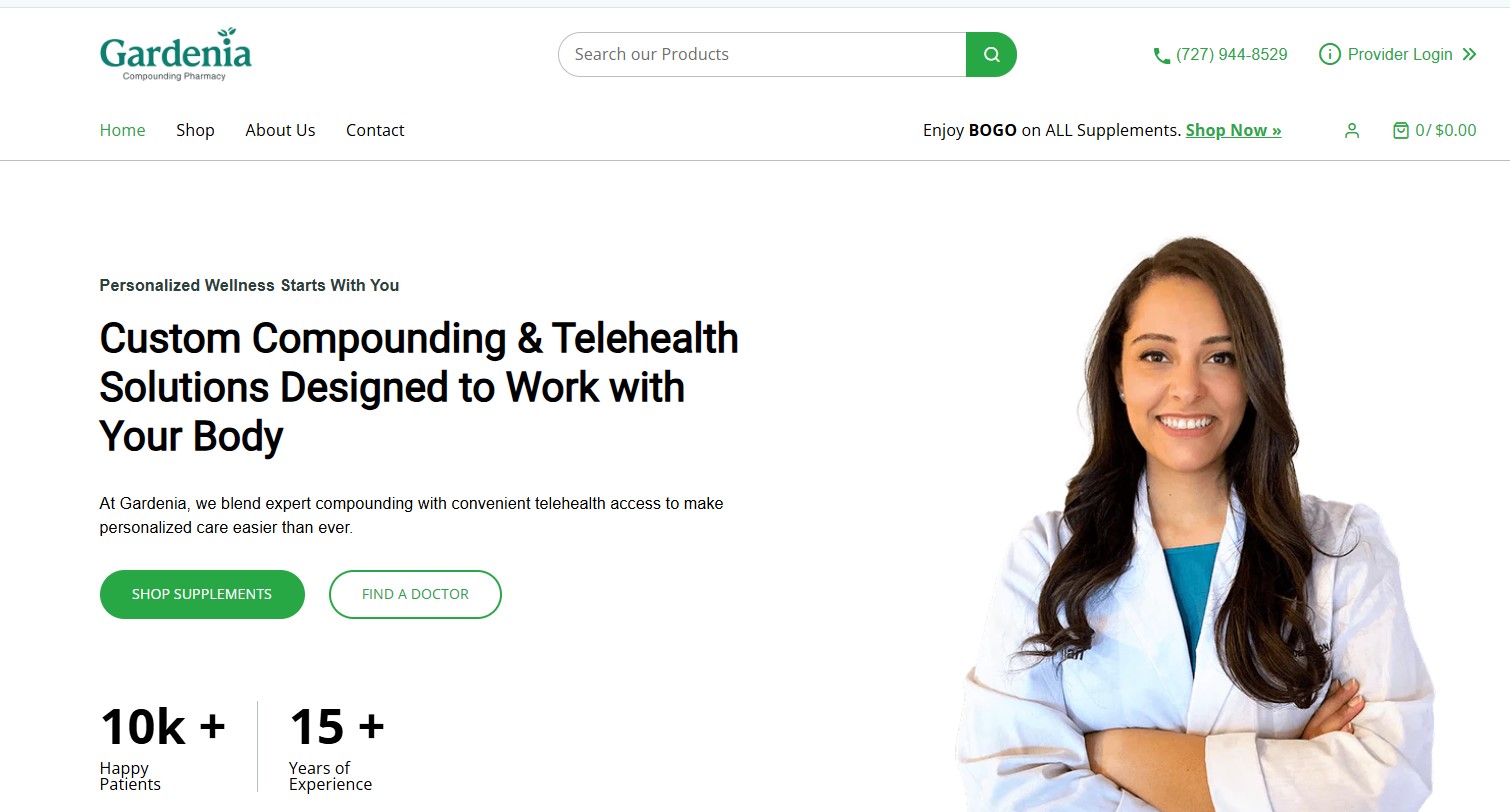
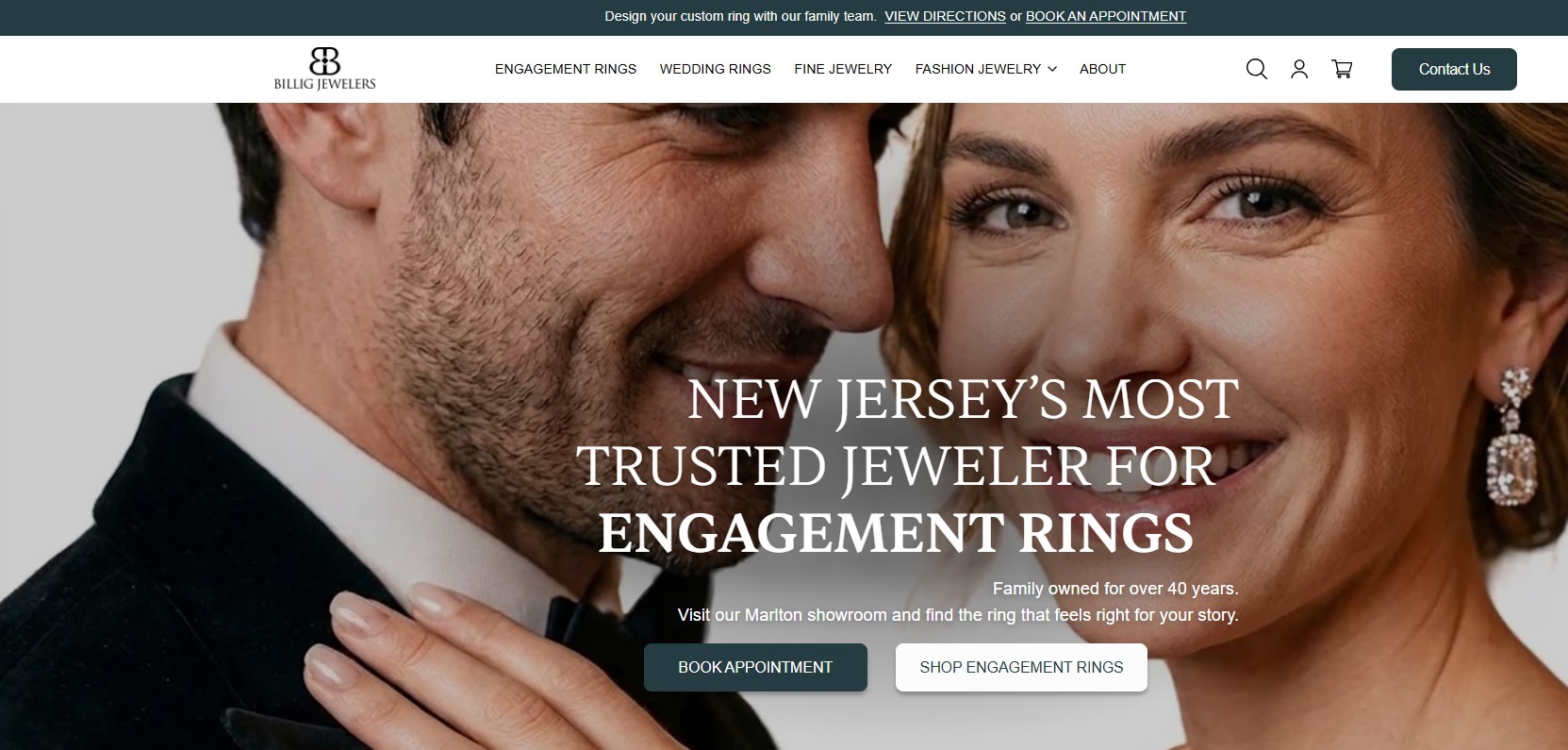
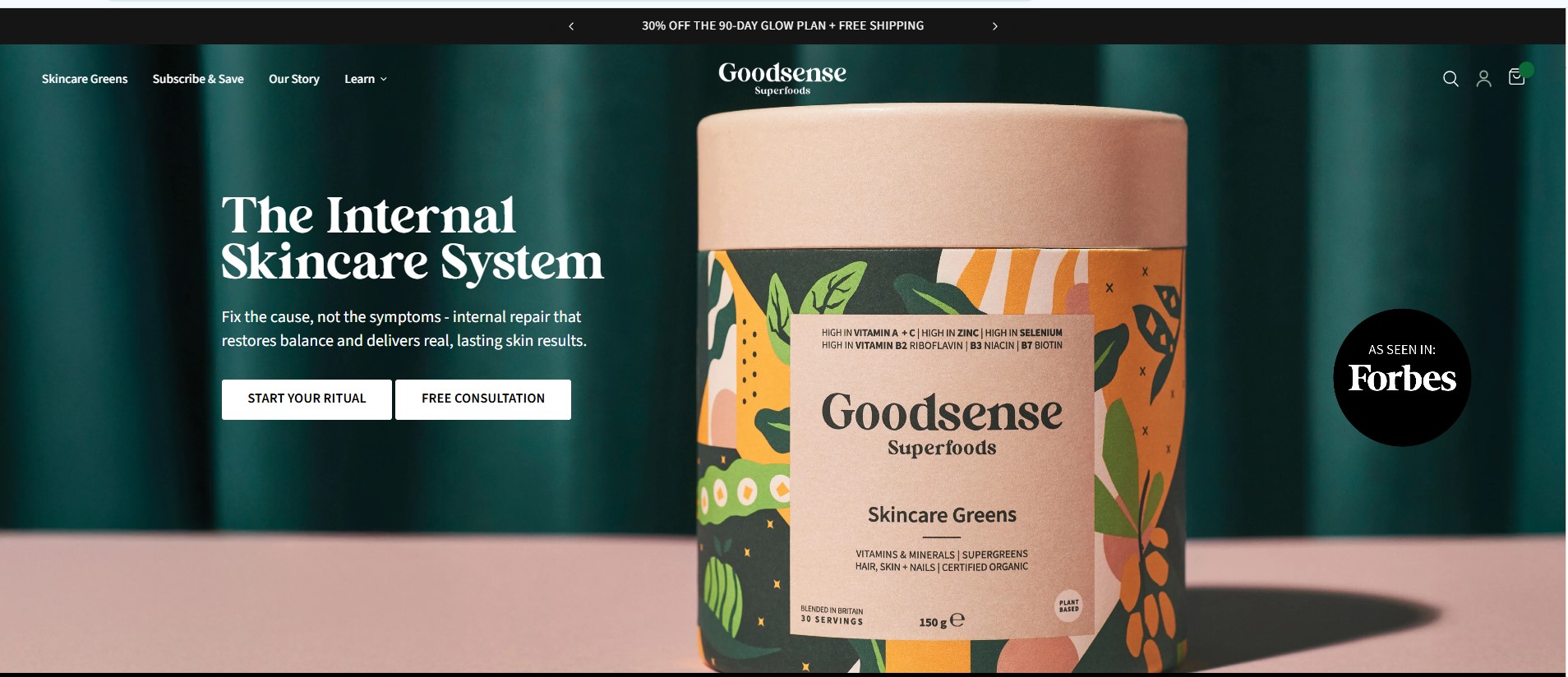
Clean design plays a crucial role in the success of any Shopify store because it directly impacts how users perceive, navigate, and interact with your website. In a highly competitive eCommerce environment, first impressions matter, and a clutter-free, well-structured design instantly builds trust and professionalism. When visitors land on your store, they should feel comfortable, focused, and guided—not overwhelmed by too many elements competing for attention. One of the biggest advantages of clean design is improved user experience (UX). A simple layout with clear sections, readable typography, and proper spacing allows users to find what they need quickly and easily. When navigation is intuitive and distractions are minimized, visitors are more likely to stay longer, explore products, and move toward making a purchase. Clean design also enhances product visibility and focus. Instead of crowding pages with unnecessary graphics or excessive text, a minimal approach highlights what truly matters—your products. High-quality images, concise descriptions, and clear calls-to-action stand out more effectively, making it easier for customers to understand the value of what you’re offering.
Another important factor is website speed and performance. Cluttered designs often come with heavy elements, large files, and unnecessary scripts that slow down your store. A clean, optimized design reduces load times, ensuring a faster and smoother experience across all devices. This not only improves user satisfaction but also contributes to better SEO rankings. Mobile optimization also benefits from a clean design. On smaller screens, simplicity becomes even more important. A well-structured, minimal layout ensures that mobile users can navigate effortlessly, read content clearly, and complete purchases without frustration. Since most shoppers now use mobile devices, this has a direct impact on conversions. Clean design further supports trust and credibility. A professional, organized appearance signals that your business is reliable and legitimate. Combined with trust elements like reviews, secure payment icons, and clear policies, it creates an environment where customers feel safe to buy. Additionally, a clean design improves conversion rates by guiding users toward key actions. Strategic placement of buttons, clear visual hierarchy, and focused messaging help direct attention to “Add to Cart” or “Buy Now” without confusion. When users don’t have to think too much about what to do next, they are more likely to take action.In conclusion, clean design is not just about aesthetics—it’s a powerful tool for improving usability, performance, and conversions. By removing clutter and focusing on clarity, you create a seamless shopping experience that keeps visitors engaged and encourages them to become customers. In Shopify success, simplicity is not a limitation—it’s a competitive advantage
Modern Design Trends That Define 2026
Modern design in 2026 is no longer just about aesthetics—it’s about creating experiences that are fast, intelligent, and emotionally engaging. The latest trends show a clear shift toward combining performance, personalization, and human-centered creativity. Businesses that adopt these trends are not just keeping up—they are gaining a competitive edge in conversions and user engagement. One of the most defining trends is AI-driven personalization. Websites are becoming smarter, adapting content, layouts, and recommendations based on user behavior in real time. This creates a highly tailored experience for each visitor, making interactions more relevant and increasing the chances of conversion.Another major trend is the rise of bento grid layouts and modular design systems. These structured yet flexible layouts organize content into clean, card-based sections, making websites easier to scan and visually appealing across all devices.
Design is also moving toward organic and fluid layouts. Instead of rigid grids, modern websites use soft shapes, asymmetry, and natural flow to create a more human and engaging feel. This helps brands stand out while still maintaining clarity and usability. Glassmorphism and layered depth continue to evolve in 2026, giving interfaces a premium, modern look. Subtle transparency, blur effects, and layered elements create depth without overwhelming the user—when used correctly, it enhances both aesthetics and readability.Typography has become a central design element with the rise of bold and kinetic typography. Text is no longer static—it moves, reacts, and guides user attention. Strong typography not only improves visual identity but also helps users quickly understand content and take action. Another key trend is motion design and micro-interactions. Small animations—like hover effects, scroll transitions, and button feedback—make websites feel interactive and alive. These subtle details improve user experience by providing feedback and guiding navigation without slowing down performance. Dark mode and adaptive themes have become standard expectations. Users now prefer interfaces that reduce eye strain and adjust based on device settings. Offering both light and dark modes enhances accessibility and user comfort.
At the same time, there’s a strong shift toward performance-first minimalism. Clean, fast-loading designs are replacing heavy, cluttered interfaces. The focus is on speed, clarity, and usability—because users care more about how a website works than how flashy it looks. Finally, one of the most interesting trends is the return of authentic and human design. Brands are moving away from overly polished, “perfect” designs and embracing textures, imperfections, and personality. This creates emotional connection and makes brands feel more real and trustworthy in a digital world. In conclusion, the design trends of 2026 are defined by a balance between technology and humanity. AI, speed, and smart UX are driving performance, while creativity, personality, and emotional connection are shaping how users feel. The future belongs to brands that can combine both—building websites that are not only beautiful, but also intelligent, fast, and conversion-focused.
Designing for Conversions, Not Just Appearance
Branding is the backbone of successful Shopify design, transforming a simple online store into a memorable and trustworthy experience that drives conversions and long-term growth. In today’s competitive eCommerce landscape, customers are not just buying products—they are buying stories, emotions, and identity. A strong brand communicates your values, builds credibility, and differentiates your store from countless competitors using the same platform. From the moment a visitor lands on your Shopify store, elements like color palette, typography, logo, and imagery work together to create a consistent visual identity that leaves a lasting impression. But branding goes beyond aesthetics; it shapes how users feel and interact with your store. A well-branded Shopify site ensures smooth navigation, clear messaging, and a cohesive tone of voice across product descriptions, banners, and calls to action. This consistency builds trust, which is essential for converting visitors into paying customers. Moreover, branding influences customer loyalty. When shoppers connect emotionally with your brand, they are more likely to return, recommend your store, and become repeat buyers. Shopify provides flexible design tools and themes, but without a clear branding strategy, even the most visually appealing store can fail to perform. Successful brands align their design with their target audience’s preferences, ensuring every detail—from homepage layout to checkout experience—reflects their unique identity. In essence, branding in Shopify design is not optional; it is a strategic asset that directly impacts sales, customer perception, and business growth. Investing time in building a strong, consistent brand can turn an ordinary Shopify store into a powerful revenue-generating machine.
Why Zilancer is the Ideal Partner for Your Shopify Design
Zilancer stands out as the ideal partner for your Shopify design because it combines strategic thinking, technical expertise, and a deep understanding of what actually drives eCommerce success. Building a Shopify store is no longer just about having a visually appealing website—it’s about creating a high-converting sales machine that aligns with your brand and customer journey. Zilancer approaches every project with a results-driven mindset, ensuring that design decisions are backed by data, user behavior insights, and proven marketing principles. From crafting a unique brand identity to optimizing user experience, every element is designed to increase engagement, reduce bounce rates, and maximize conversions.
What truly sets Zilancer apart is its ability to integrate design with performance marketing. Instead of treating design as a separate task, Zilancer ensures your Shopify store is fully optimized for Facebook Ads, Google Ads, and other traffic sources. This means faster loading pages, mobile-first responsiveness, clear call-to-actions, and seamless checkout experiences that turn visitors into customers. In addition, Zilancer focuses on clean tracking setups, ensuring accurate data collection through tools like Facebook Pixel and conversion APIs, so you can make smarter business decisions. Zilancer also prioritizes customization over cookie-cutter solutions. Every business is different, and your Shopify store should reflect that uniqueness. Whether it’s a niche product store or a scaling eCommerce brand, Zilancer tailors the design to match your audience, industry trends, and growth goals. Beyond launch, the partnership continues with ongoing support, optimization, and performance improvements, helping you stay competitive in a fast-changing market. In essence, Zilancer is not just a design service—it’s a growth partner dedicated to turning your Shopify store into a consistent revenue-generating platform.