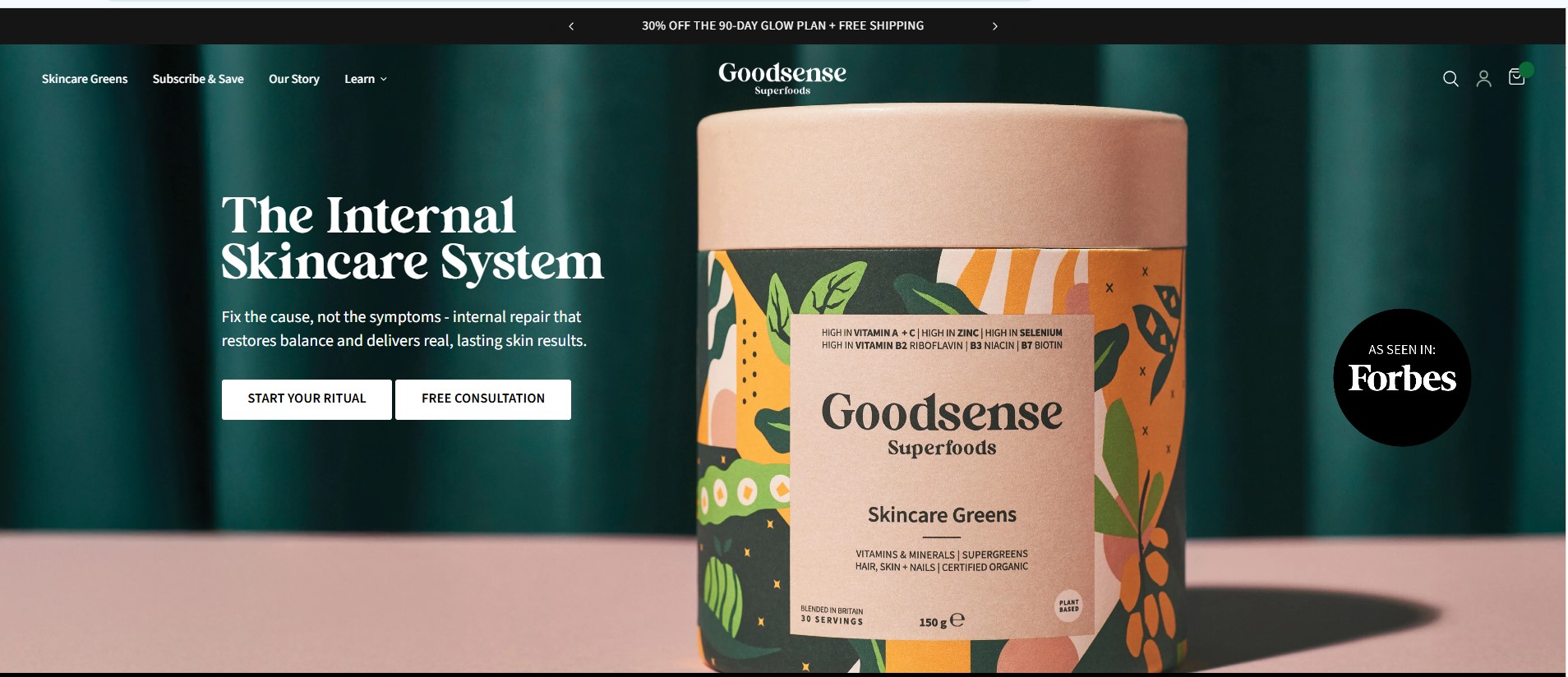









Visual hierarchy is one of the most influential yet frequently overlooked factors in ecommerce conversion optimization. When visitors arrive on a product page, they do not read every word from top to bottom. Instead, they scan. Their eyes move rapidly across the page searching for information that helps them determine whether the product is relevant, trustworthy, and worth purchasing. A well-designed visual hierarchy guides users through this decision-making process naturally. It directs attention toward the most important elements first, including the product image, value proposition, pricing information, social proof, and call-to-action button. Every design choice, from typography and spacing to color contrast and content placement, contributes to how visitors interpret information.
High-converting product pages eliminate confusion by creating a clear path toward purchase. They help customers understand the product quickly while maintaining enough detail to support confident buying decisions. When users can immediately identify what a product does, why it is valuable, and how to purchase it, conversion rates tend to increase significantly. Brands that prioritize visual hierarchy often experience improvements in engagement metrics because customers spend less time searching for critical information. Instead, they move smoothly through the page, consuming content in a logical sequence that reinforces trust and desire.
Why Product Photography Drives Conversion Psychology
Product photography is one of the most powerful conversion tools in ecommerce because it directly influences how customers perceive value, quality, trust, and desirability. Unlike physical retail stores, online shoppers cannot touch, feel, test, or examine products in person. As a result, product images become the closest substitute for a real-world shopping experience. Within seconds of landing on a product page, visitors begin forming opinions based on what they see. Before they read a product description, explore specifications, or review customer testimonials, they evaluate the visual presentation of the product. This initial impression can significantly impact whether they continue exploring the page or leave in search of alternatives. The psychology behind product photography is deeply connected to how the human brain processes visual information. Studies consistently show that people process images much faster than text. When a potential customer views a product image, their brain immediately begins assessing quality, usefulness, and credibility. High-quality photography creates a positive perception and helps establish confidence in the product and the brand. Conversely, poor-quality images can raise concerns about professionalism, reliability, and product value, even if the product itself is excellent.
One of the primary reasons product photography drives conversions is its ability to reduce uncertainty. Online shoppers naturally experience a certain level of risk when purchasing products they cannot physically inspect. They may wonder whether the item will look the same in real life, whether the materials are high quality, or whether the product will meet their expectations. Professional product photography helps eliminate these doubts by providing clear, detailed, and accurate visual representations. Multiple angles, zoom functionality, close-up shots, and lifestyle imagery work together to create a more complete understanding of the product, helping customers feel more confident in their purchasing decisions. Lifestyle photography plays an especially important role in conversion psychology because it helps customers visualize ownership. Rather than simply showing a product on a white background, lifestyle images place the product in realistic environments where it is being used by real people. This allows potential buyers to imagine how the product fits into their own lives. When customers can mentally picture themselves using a product, they begin to form an emotional connection that makes purchasing more likely. This psychological phenomenon, often referred to as mental ownership, can significantly influence buying behavior by making the product feel more personally relevant and desirable.
Another critical aspect of product photography is its ability to communicate quality without words. Customers often associate professional photography with professional products. Clean lighting, sharp details, consistent branding, and visually appealing compositions create an impression of excellence and attention to detail. When a brand invests in high-quality imagery, customers often assume the same level of care has been invested in product development, manufacturing, and customer service. This perception of quality can justify premium pricing and increase customer trust, even before any other information is consumed. Product photography also influences emotional decision-making. While consumers often believe they make purchasing decisions based solely on logic, research consistently demonstrates that emotions play a significant role in buying behavior. Effective imagery can evoke feelings such as excitement, confidence, comfort, aspiration, and happiness. A luxury watch photographed in an elegant setting communicates status and sophistication. Fitness equipment shown in action may inspire motivation and achievement. Home décor products displayed in beautifully designed spaces can create feelings of comfort and aspiration. These emotional responses strengthen desire and encourage action. Color psychology further enhances the effectiveness of product photography. Different colors trigger different emotional associations and can influence purchasing decisions in subtle yet meaningful ways. Bright and vibrant colors often create excitement and energy, while softer tones may communicate elegance, relaxation, or luxury. Strategic use of color within product imagery can reinforce brand identity while supporting the emotional goals of the product page. When color choices align with customer expectations and product positioning, conversion rates often improve.
Social proof can also be integrated through visual content. User-generated images, customer photos, and real-world product demonstrations provide authenticity that traditional product photography sometimes lacks. Modern consumers place tremendous value on authenticity and transparency. Seeing real customers using and enjoying a product creates trust because it demonstrates that the product delivers value beyond marketing claims. This visual form of social proof reduces skepticism and helps customers feel more comfortable making a purchase. As ecommerce continues to evolve, interactive product photography has become increasingly important. Features such as 360-degree views, zoom functionality, augmented reality experiences, and interactive galleries provide deeper product engagement. These technologies create a more immersive shopping experience that closely resembles in-store browsing. The more information customers can gather visually, the more confident they become in their purchasing decisions. Increased confidence often leads directly to higher conversion rates and lower return rates. Mobile shopping has made product photography even more critical. On smaller screens, images often receive more attention than text. Customers scrolling through product pages on mobile devices rely heavily on visual content to evaluate products quickly. High-converting ecommerce brands recognize this behavior and prioritize mobile-friendly image experiences that load quickly while maintaining exceptional quality. Optimized photography helps ensure that customers receive a consistent and engaging experience regardless of device.
At Zilancer, we understand that product photography is far more than a design element. It is a strategic conversion asset that influences trust, engagement, and purchasing behavior. As a Shopify-focused ecommerce agency, we help brands create product page experiences that combine professional imagery, persuasive design, conversion optimization principles, and customer psychology. Our approach ensures that every visual element contributes to a stronger user experience and a more effective sales journey. By aligning photography with customer expectations and business goals, we help ecommerce brands build product pages that not only look impressive but also generate measurable revenue growth. The science behind product photography ultimately comes down to one simple truth: people buy what they can visualize, understand, and trust. Exceptional product imagery helps customers see value, imagine ownership, reduce uncertainty, and develop emotional connections with products. When these psychological triggers are combined effectively, product photography becomes one of the most influential factors in driving ecommerce conversions and long-term business success.
Understanding Cognitive Load and Customer Decision Making
One of the most important yet often overlooked factors behind ecommerce conversions is cognitive load. In simple terms, cognitive load refers to the amount of mental effort required for a person to process information, understand choices, and make decisions. Every visitor who lands on a product page has a limited amount of attention and mental energy available. When a page is easy to understand and navigate, customers can move smoothly toward a purchase. However, when a page feels confusing, overwhelming, or cluttered, the decision-making process becomes more difficult, increasing the likelihood that the visitor will leave without buying. The human brain naturally seeks efficiency. People prefer experiences that require less effort and fewer decisions. In ecommerce, this means customers are more likely to purchase from stores that make information easy to find, easy to understand, and easy to act upon. Every additional question, distraction, or obstacle increases cognitive load and creates friction within the customer journey. The more mental effort required, the more likely visitors are to postpone their decisions or abandon the purchase entirely. When shoppers arrive on a product page, they are typically searching for answers to a few key questions. They want to know what the product is, how it works, whether it solves their problem, whether they can trust the brand, and whether the product is worth the price. High-converting product pages anticipate these questions and provide answers in a logical, organized, and accessible manner. Instead of forcing customers to search through large blocks of text or multiple pages, effective ecommerce experiences guide users naturally through the information they need to make a confident decision.
Information overload is one of the most common causes of high cognitive load. Many ecommerce brands believe that providing more information will automatically increase conversions. While detailed product information is important, presenting too much content at once can overwhelm visitors. Long paragraphs, excessive technical specifications, multiple competing messages, and unnecessary design elements can create confusion rather than clarity. Customers may struggle to identify what matters most, leading to analysis paralysis and reduced conversion rates. The psychology behind cognitive load explains why simplicity often performs better than complexity. When customers encounter a clean and organized product page, their brains can process information more efficiently. Important details stand out, navigation feels intuitive, and the path to purchase becomes clear. This reduction in mental effort creates a more positive user experience and increases the likelihood of conversion. Simplicity is not about removing valuable information; it is about presenting information in a way that feels effortless to consume. Visual hierarchy plays a critical role in managing cognitive load. Effective product pages use typography, spacing, imagery, and design structure to guide attention toward the most important information first. Customers should immediately understand the product name, primary benefit, price, and call-to-action without needing to search. Secondary information such as detailed specifications, shipping information, and FAQs, can then be introduced progressively as users continue exploring the page. This layered approach prevents information overload while still providing the depth customers need.
Choice overload is another psychological factor closely related to cognitive load. While offering options can be beneficial, too many choices can make decision-making more difficult. Research has consistently shown that when consumers are presented with an excessive number of options, they often delay decisions or choose not to act at all. Ecommerce brands must strike a balance between providing flexibility and maintaining simplicity. Product variations, bundle options, and customization features should be organized clearly so that customers can make decisions confidently without feeling overwhelmed. Trust also influences cognitive load. When visitors trust a brand, they spend less mental energy evaluating risk. Trust signals such as customer reviews, secure payment icons, return policies, guarantees, and social proof reduce uncertainty and help customers feel comfortable proceeding with a purchase. Without these trust-building elements, shoppers may spend additional time questioning the credibility of the business, increasing cognitive effort and slowing down the decision-making process. Page speed has a surprisingly significant impact on cognitive load as well. Slow-loading pages disrupt the user experience and create frustration before customers even begin evaluating a product. Modern consumers expect fast, seamless interactions. Delays force users to wait, interrupt their focus, and increase the likelihood of abandonment. Optimizing performance is therefore not only a technical requirement but also a psychological strategy for reducing friction and maintaining engagement.
Mobile commerce further highlights the importance of managing cognitive load. Mobile users interact with smaller screens, shorter attention spans, and often more distractions than desktop users. Product pages that perform well on desktop can become overwhelming on mobile devices if content is not prioritized effectively. Successful mobile experiences focus on clarity, simplicity, and usability, ensuring that customers can quickly find information and complete purchases without unnecessary effort. Another important aspect of cognitive load is emotional decision-making. While customers often believe they make purchasing decisions logically, emotions play a significant role in the buying process. Complex interfaces, confusing messaging, and overwhelming choices can create feelings of frustration, uncertainty, and stress. Conversely, intuitive design, clear communication, and streamlined experiences generate confidence, comfort, and satisfaction. These positive emotional responses encourage action and strengthen conversion performance.
At Zilancer, we recognize that conversion optimization is not simply about design aesthetics or technical functionality. It is about understanding how customers think, process information, and make decisions. Every ecommerce store we develop is designed with customer psychology at its core. We focus on reducing cognitive load through strategic user experience design, intuitive navigation, optimized product page structures, and conversion-focused Shopify development. By eliminating unnecessary friction and simplifying the customer journey, we help brands create shopping experiences that feel natural, engaging, and trustworthy. Our approach combines data-driven insights with proven conversion principles to ensure that every page supports customer decision-making rather than complicating it. Whether through improved visual hierarchy, streamlined checkout experiences, enhanced product presentation, or strategic content organization, we help ecommerce brands remove barriers that prevent visitors from becoming customers.
Ultimately, understanding cognitive load is essential for creating high-converting product pages. Customers do not abandon purchases because they dislike buying; they abandon purchases when buying feels difficult. The most successful ecommerce brands understand that every design decision either reduces or increases mental effort. By simplifying the shopping experience, organizing information effectively, and creating intuitive user journeys, businesses can help customers make decisions with confidence. When cognitive load is minimized, trust grows, engagement improves, and conversions increase, creating a stronger foundation for long-term ecommerce success.
How Product Descriptions Influence Buying Behavior
Product descriptions are among the most influential elements of a high-converting product page because they bridge the gap between customer curiosity and purchasing confidence. While product images capture attention and create initial interest, descriptions provide the information and persuasion needed to move shoppers closer to a buying decision. In ecommerce, where customers cannot physically interact with products, the words used on a product page play a critical role in shaping perceptions, reducing uncertainty, and influencing behavior. Many ecommerce businesses make the mistake of treating product descriptions as simple technical summaries. They focus exclusively on listing features, dimensions, materials, or specifications without considering how customers actually make purchasing decisions. The reality is that consumers rarely buy products solely because of their features. They buy products because of the benefits, outcomes, and experiences those features create. A successful product description translates technical information into meaningful value that resonates with the customer’s needs, goals, and emotions. The psychology behind product descriptions begins with understanding customer motivation. Every purchase is driven by a desire to solve a problem, achieve a goal, or improve a situation. Customers are not merely shopping for products; they are searching for solutions. A fitness enthusiast may be seeking better performance, a homeowner may be looking for convenience, and a fashion shopper may be pursuing confidence and self-expression. Effective product descriptions connect directly with these motivations by demonstrating how the product improves the customer’s life.
One of the primary functions of a product description is to reduce uncertainty. Online shoppers naturally experience hesitation because they cannot physically inspect products before purchasing. They may have questions about quality, durability, functionality, compatibility, or overall value. A detailed and well-structured product description answers these questions proactively, helping customers feel informed and confident. The more uncertainty that is removed during the buying process, the more likely a visitor is to complete a purchase. Trust plays a major role in buying behavior, and product descriptions contribute significantly to building that trust. Clear, honest, and transparent descriptions demonstrate professionalism and credibility. Customers appreciate brands that provide accurate information rather than relying on exaggerated marketing claims. When product descriptions clearly communicate what customers can expect, they establish realistic expectations and reduce the risk of disappointment after purchase. This trust-building process not only increases conversions but also contributes to customer satisfaction and long-term loyalty. Emotional engagement is another powerful psychological driver within product descriptions. Although many purchasing decisions appear logical on the surface, emotions often play a dominant role in influencing behavior. Great product descriptions do more than explain what a product does; they help customers imagine how they will feel after owning or using it. By creating vivid mental images and relatable scenarios, descriptions make products more desirable and memorable. This emotional connection strengthens purchase intent and helps products stand out in competitive markets.
Storytelling is one of the most effective techniques for enhancing product descriptions. Humans are naturally drawn to stories because they help us process information in meaningful ways. Rather than presenting isolated facts, storytelling places products within real-life contexts that customers can relate to. A product becomes more than an object; it becomes part of a solution, transformation, or experience. This narrative approach helps customers visualize themselves using the product and experiencing its benefits firsthand. Another critical factor influencing buying behavior is clarity. Customers want information quickly and efficiently. If a description is difficult to read, overly technical, or filled with unnecessary jargon, visitors may lose interest before understanding the product’s value. High-converting product descriptions prioritize simplicity and readability while maintaining depth and detail. The goal is to make information easy to absorb without sacrificing persuasion or credibility. The structure of a product description also impacts conversion performance. Customers typically scan content before reading it in detail. A well-organized description guides readers through key information in a logical sequence. It introduces the primary value proposition, highlights major benefits, addresses potential concerns, and reinforces trust. This structured approach reduces cognitive load and supports the natural decision-making process.
Search engine optimization further increases the importance of product descriptions. Search engines rely heavily on textual content to understand the relevance and purpose of a page. Unique, detailed, and keyword-optimized descriptions improve visibility in organic search results, helping ecommerce brands attract more qualified traffic. Unlike generic manufacturer descriptions, original content provides greater opportunities to rank for valuable search terms while delivering a superior user experience. Personalization can make product descriptions even more effective. Modern consumers expect relevant and meaningful experiences. When descriptions address specific customer segments, use audience-focused language, and acknowledge unique pain points, they create stronger connections with potential buyers. Customers are more likely to engage with content that feels tailored to their needs and circumstances.
Social proof can also be incorporated into product descriptions to strengthen credibility. References to customer satisfaction, user experiences, industry recognition, or product popularity help reassure prospective buyers. When shoppers see evidence that others have successfully used and benefited from a product, they become more comfortable making their own purchasing decisions. This psychological principle, known as social validation, remains one of the most powerful influences on consumer behavior. Another important aspect of product descriptions is objection handling. Nearly every customer has concerns before making a purchase. They may question pricing, effectiveness, durability, compatibility, or ease of use. High-converting descriptions anticipate these concerns and address them directly. By providing clear explanations and reassuring information, brands can remove barriers that might otherwise prevent conversions. Effective objection handling creates confidence and reduces hesitation during the buying journey.
As ecommerce competition continues to increase, differentiation becomes increasingly important. Many products offer similar features and benefits, making it difficult for customers to distinguish between competing options. Product descriptions provide an opportunity to communicate unique value propositions and brand personality. They help brands explain what makes their products different, why they are superior, and how they deliver exceptional value. This differentiation is essential for attracting attention and influencing purchasing decisions in crowded markets.
At Zilancer, we understand that product descriptions are not simply content assets; they are conversion tools. As a Shopify-focused ecommerce agency, we help brands develop persuasive product content that combines customer psychology, SEO best practices, and conversion-focused copywriting. Our approach ensures that every product page communicates value clearly, builds trust effectively, and supports customer decision-making at every stage of the buying journey. By integrating compelling storytelling, strategic messaging, user-focused benefits, and search engine optimization, we help ecommerce businesses create product descriptions that drive measurable results. Whether launching a new store, optimizing existing product pages, or improving conversion performance, our team focuses on creating content that turns interest into action.
Ultimately, product descriptions influence buying behavior because they provide the information, reassurance, and emotional connection customers need to make confident decisions. They transform products from simple items into meaningful solutions, helping shoppers understand not only what a product is but also why it matters. When crafted strategically, product descriptions become one of the most powerful tools for increasing conversions, improving customer experiences, and driving long-term ecommerce growth.
How Zilancer Builds High-Converting Ecommerce Experiences
Building a successful ecommerce store requires much more than an attractive design or a functional website. In today’s competitive digital marketplace, brands need ecommerce experiences that capture attention, build trust, reduce friction, and guide customers seamlessly toward purchase decisions. A high-converting ecommerce experience is the result of strategic planning, customer psychology, data-driven optimization, and technical excellence working together to create a journey that feels intuitive, engaging, and persuasive. At Zilancer, this philosophy forms the foundation of every ecommerce project we undertake. As a Shopify-focused ecommerce agency, Zilancer understands that every interaction on a website influences customer behavior. From the moment a visitor lands on a store until the final checkout confirmation, each design element, piece of content, navigation choice, and performance optimization contributes to the overall customer experience. Our approach goes beyond traditional web development because we recognize that ecommerce success depends on more than aesthetics. It depends on creating digital environments that inspire confidence and encourage action. The first step in building a high-converting ecommerce experience is understanding the customer. Every successful store is designed around the needs, expectations, and behaviors of its target audience. Rather than relying on assumptions, Zilancer focuses on identifying what motivates customers, what challenges they face, and what factors influence their purchasing decisions. This customer-centric approach allows us to create experiences that resonate with visitors and align with their goals.
User experience design plays a central role in our process. Customers should never feel lost, confused, or overwhelmed while navigating an online store. Every page should have a clear purpose, every action should feel intuitive, and every interaction should contribute to a smoother buying journey. By applying proven UX principles, we create store structures that make information easy to find and products easy to explore. This reduces friction and helps customers move naturally from discovery to purchase. Product page optimization is one of the most important aspects of ecommerce conversion performance, and it is an area where Zilancer delivers significant value. Product pages serve as the decision-making center of an online store. They must communicate value clearly, answer customer questions, build trust, and encourage action. We carefully design product page experiences that combine persuasive copywriting, high-quality imagery, strategic layouts, trust signals, and conversion-focused design principles. The result is a product presentation that not only looks professional but also increases the likelihood of purchase. Customer psychology influences every ecommerce decision, and understanding this psychology allows us to build more effective shopping experiences. Visitors evaluate products based on emotional and rational factors simultaneously. They seek reassurance, validation, and confidence before committing to a purchase. Zilancer incorporates psychological principles such as social proof, scarcity, trust building, visual hierarchy, and cognitive load reduction to create environments that support customer decision-making. By reducing uncertainty and increasing confidence, we help brands improve conversion rates and customer satisfaction.
Speed and performance optimization are equally important in modern ecommerce. Consumers expect websites to load quickly and respond instantly. Even minor delays can negatively impact user experience, increase bounce rates, and reduce sales. At Zilancer, performance optimization is integrated into every stage of development. We focus on improving page speed, optimizing code, enhancing mobile responsiveness, and ensuring smooth functionality across devices. Faster websites create better experiences, stronger engagement, and higher conversion rates. Mobile commerce has become a dominant force in online retail, making mobile-first design a necessity rather than an option. Many customers interact with ecommerce stores exclusively through smartphones and tablets. Zilancer develops ecommerce experiences that perform exceptionally well on mobile devices, ensuring that navigation, product discovery, and checkout processes remain seamless regardless of screen size. Our mobile optimization strategies help brands capture more revenue from increasingly mobile-focused audiences.
Trust remains one of the most powerful conversion factors in ecommerce. Customers are unlikely to purchase from brands they do not trust, regardless of product quality or pricing. Building trust requires consistency, transparency, and professionalism across every touchpoint. Zilancer helps brands establish credibility through strategic design, authentic messaging, secure user experiences, customer reviews, trust badges, clear policies, and strong brand presentation. These trust-building elements reduce perceived risk and encourage purchasing behavior.
Content strategy is another critical component of high-converting ecommerce experiences. Every headline, product description, call-to-action, and supporting message contributes to the customer’s perception of value. Effective content guides users through the buying journey while addressing concerns and reinforcing confidence. Our team develops conversion-focused content strategies that combine persuasive messaging with SEO best practices, helping brands improve both search visibility and conversion performance. Search engine optimization is integrated into our ecommerce development process because attracting qualified traffic is essential for long-term growth. High-converting stores require a consistent flow of potential customers, and organic search remains one of the most valuable acquisition channels available. Zilancer helps ecommerce brands optimize site architecture, product pages, content, technical performance, and user experience to improve search engine rankings and drive sustainable traffic growth. Conversion rate optimization is at the core of our philosophy. Rather than focusing solely on increasing traffic, we help brands maximize the value of existing visitors. Through data analysis, user behavior insights, testing strategies, and continuous refinement, we identify opportunities to improve performance throughout the customer journey. Small improvements in conversion rates can generate substantial increases in revenue, making optimization one of the most impactful investments an ecommerce business can make.
Shopify development expertise allows Zilancer to transform strategic concepts into scalable, high-performance digital experiences. Whether developing custom themes, implementing advanced functionality, integrating third-party applications, or creating unique customer experiences, our technical capabilities ensure that ecommerce stores remain flexible, reliable, and growth-focused. We build solutions that not only meet current business needs but also support future expansion and innovation. What truly distinguishes Zilancer is our commitment to viewing ecommerce through a growth-focused lens. We do not simply build websites; we create digital ecosystems designed to support long-term business success. Every project is approached with a clear understanding that ecommerce performance depends on the alignment of strategy, design, technology, content, and customer psychology. This holistic perspective allows us to deliver solutions that generate meaningful business outcomes rather than superficial improvements. Our experience working with ecommerce brands across various industries has reinforced a simple but powerful principle: successful online stores are built around customer needs. When businesses prioritize user experience, trust, clarity, performance, and value communication, conversions naturally improve. By combining these principles with advanced Shopify expertise and data-driven decision-making, Zilancer helps brands create ecommerce experiences that stand out in competitive markets and deliver measurable growth.
As ecommerce continues to evolve, customer expectations will continue to rise. Brands that adapt and innovate will be best positioned to succeed. At Zilancer, we remain focused on helping businesses stay ahead of these changes by creating high-converting ecommerce experiences that meet modern consumer demands while supporting long-term scalability. Through strategic thinking, technical excellence, and a relentless focus on conversion optimization, we empower ecommerce brands to attract more customers, generate more sales, and build stronger relationships with their audiences. The science of ecommerce conversion is ultimately about understanding people. Every click, every interaction, and every purchase decision is influenced by human behavior. By combining customer psychology with cutting-edge Shopify development and conversion-focused strategy, Zilancer helps brands transform ordinary online stores into powerful growth engines. The result is an ecommerce experience that not only looks exceptional but also performs exceptionally, creating sustainable success in an increasingly competitive digital world.