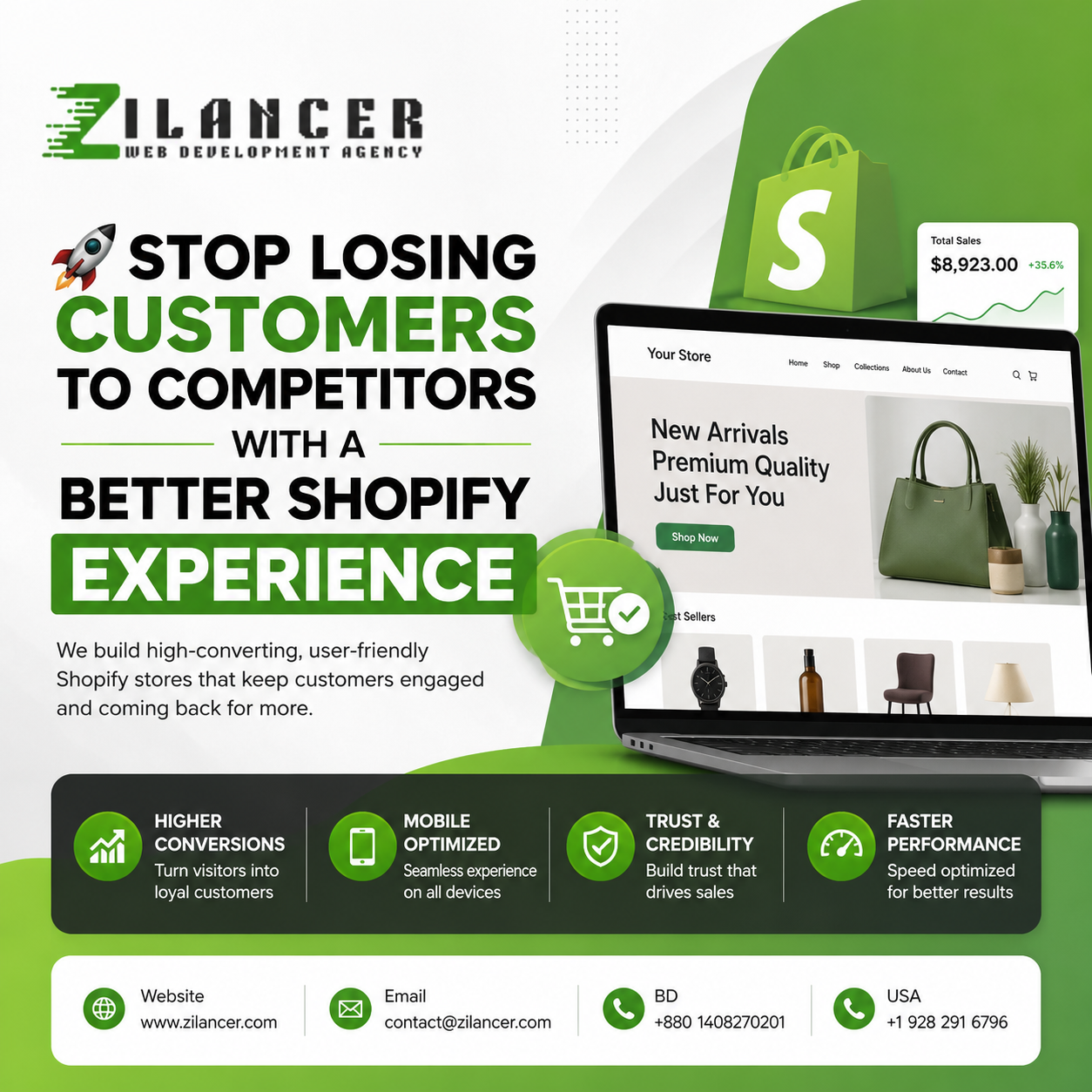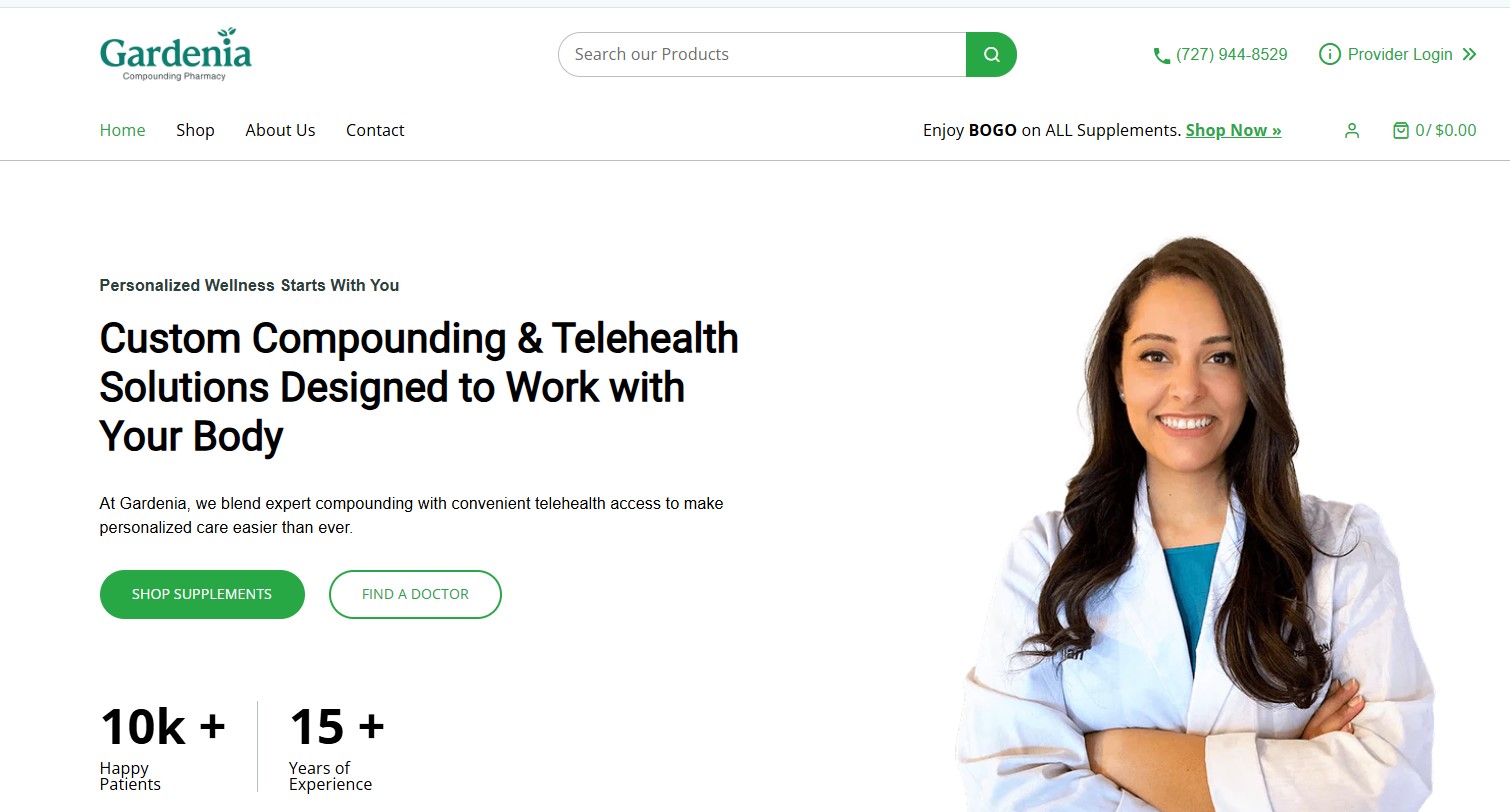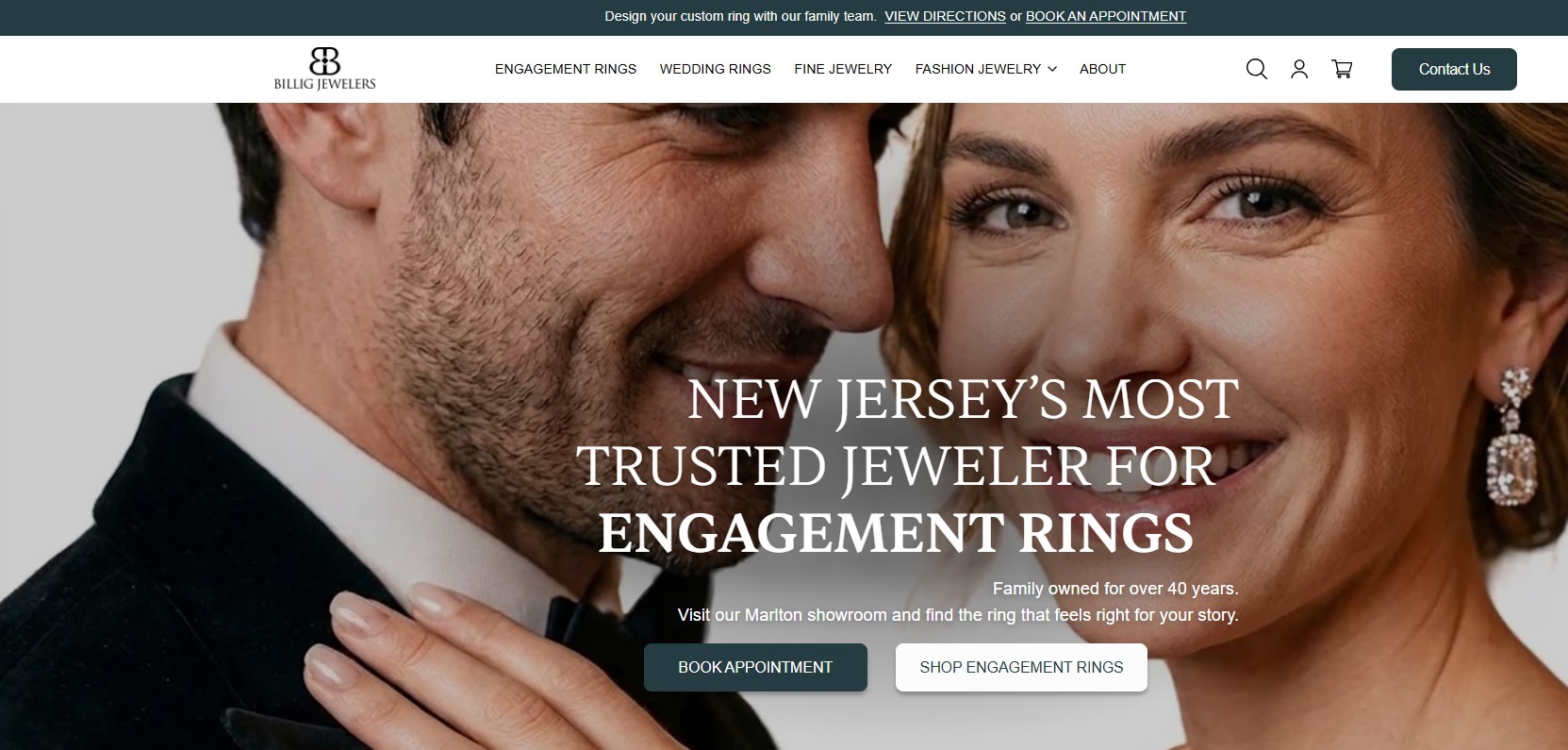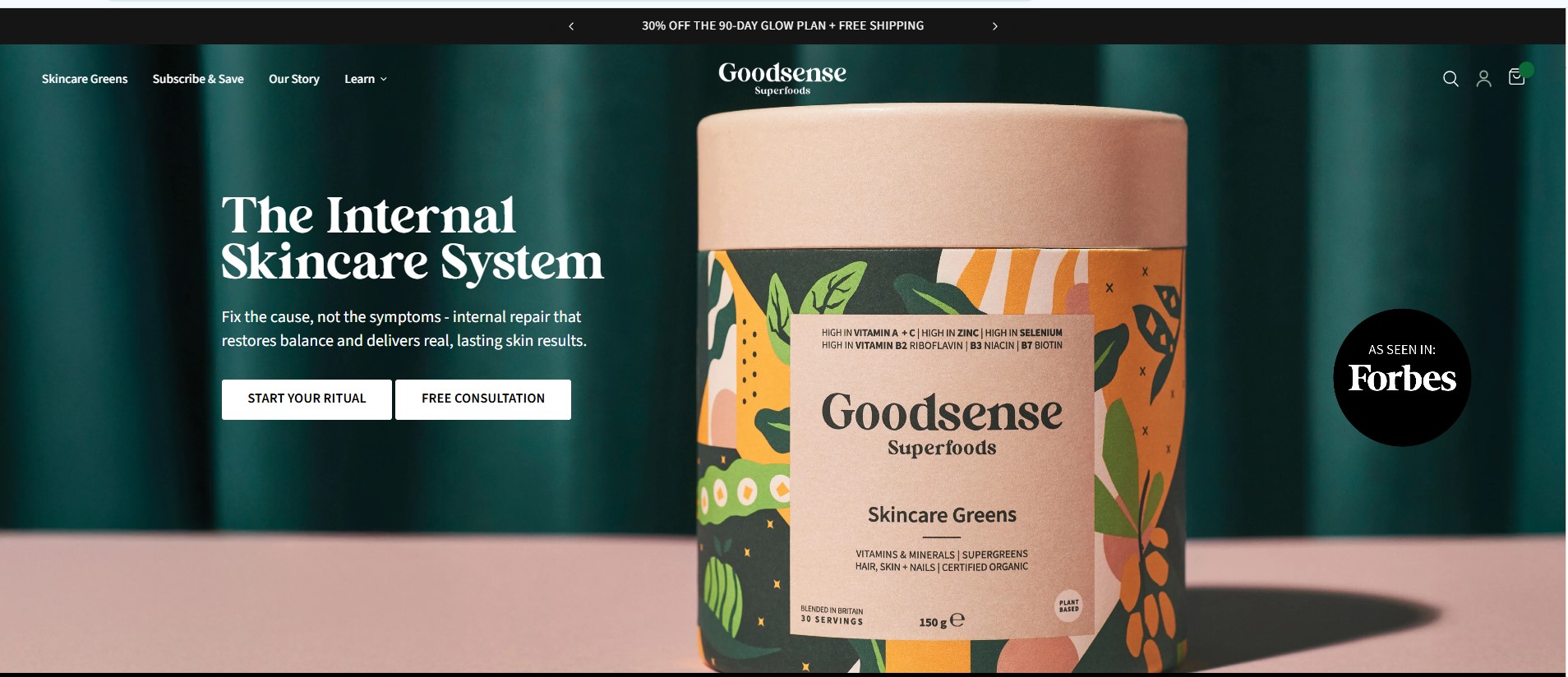







In today’s competitive eCommerce landscape, a visually attractive Shopify store is no longer enough. What truly separates high-performing stores from average ones is how intelligently they are designed using real data. Data-driven Shopify design focuses on user behavior, performance metrics, and conversion insights to create experiences that generate measurable returns. Instead of guessing what looks good, businesses make decisions based on what actually works.
At Zilancer, we believe Shopify design should never be subjective. Every layout decision, page structure, and user flow we build is backed by data, ensuring that design directly supports revenue growth rather than just visual appeal. Data-driven Shopify design means designing your store based on analytics, user behavior, and performance data rather than assumptions or trends. It involves studying how visitors navigate your store, where they drop off, what influences purchases, and which elements create friction. This approach ensures that every design decision serves a clear business goal, whether that is increasing conversions, improving engagement, or reducing cart abandonment.
Our agency follows this exact process by analyzing real store data before touching design. This allows us to create Shopify experiences that are aligned with customer behavior and business objectives from day one.
Why Design Without Data Hurts ROI
When design decisions are made without data, businesses often invest time and money into changes that do not improve performance. A redesign based purely on aesthetics may look modern but can unintentionally confuse users, slow down the site, or disrupt the checkout process. These issues directly impact conversion rates and increase acquisition costs, ultimately lowering return on investment. This is why we often see businesses come to us after failed redesigns. Without a data-driven strategy, even well-designed stores can struggle to convert traffic into revenue. Data reveals how real users interact with your Shopify store. Heatmaps, session recordings, and analytics show which sections attract attention and which are ignored. With these insights, designers can optimize layouts, content placement, and navigation flow to match user behavior.
At Zilancer, we use these insights to remove friction and guide users naturally through the buying journey. The result is a smoother experience that keeps visitors engaged and moving toward conversion. One of the biggest advantages of data-driven design is its direct impact on conversions. By analyzing product page performance, add-to-cart behavior, and checkout drop-offs, businesses can identify barriers that prevent users from buying. Even small design improvements—when guided by data—can significantly increase conversion rates. Our approach focuses on turning existing traffic into more sales. Instead of increasing ad spend, we improve ROI by making every visitor more likely to convert.
Mobile Optimization Based on Real Usage Data
A large portion of Shopify traffic comes from mobile devices, but mobile behavior often differs from desktop behavior. Data-driven design identifies how mobile users interact with your store, where they struggle, and what slows them down. We design Shopify stores with a mobile-first mindset, backed by real usage data. This ensures faster load times, easier navigation, and a checkout experience that feels effortless on any device. Page speed plays a major role in both user experience and revenue. Data helps identify performance bottlenecks such as heavy images, unnecessary scripts, or inefficient design structures. Optimizing these elements leads to faster load times and lower bounce rates. At our agency, performance optimization is a core part of Shopify design—not an afterthought. Faster stores convert better and generate higher returns across all marketing channels. Data-driven Shopify design is not a one-time task. After implementing improvements, performance must be monitored continuously. If certain changes increase engagement or conversions, they are refined further. If something underperforms, it is adjusted quickly. This ongoing optimization process is how we help brands scale sustainably. Design evolves alongside customer behavior, market trends, and business growth. By aligning design decisions with real user behavior and business goals, data-driven Shopify design eliminates guesswork and reduces wasted effort. Every improvement is measurable, predictable, and tied directly to performance.
For brands working with experienced Shopify agencies like ours, this approach leads to higher conversion rates, lower acquisition costs, and long-term profitability.
Final Thoughts
Design should never be based on guesswork—especially when revenue is on the line. Data-driven Shopify design turns insights into action, creating stores that not only look professional but also perform exceptionally well.
At Zilancer, we combine strategy, analytics, and Shopify expertise to build growth-focused stores designed for ROI. For brands serious about scaling, data-driven design is not optional—it is essential.