







In today’s highly competitive eCommerce landscape, having a Shopify store is not enough to guarantee success. Thousands of online stores are launched every day, but only a small percentage of them manage to convert visitors into paying customers consistently. The key difference between a high-performing Shopify store and a struggling one often lies in one critical factor: UI/UX design. User Interface (UI) and User Experience (UX) are not just design concepts. They are the foundation of how customers interact with your store, how they perceive your brand, and ultimately how they decide whether to buy or leave. A well-structured UI combined with a smooth UX can significantly increase conversion rates, while a poor experience can silently destroy your sales potential.
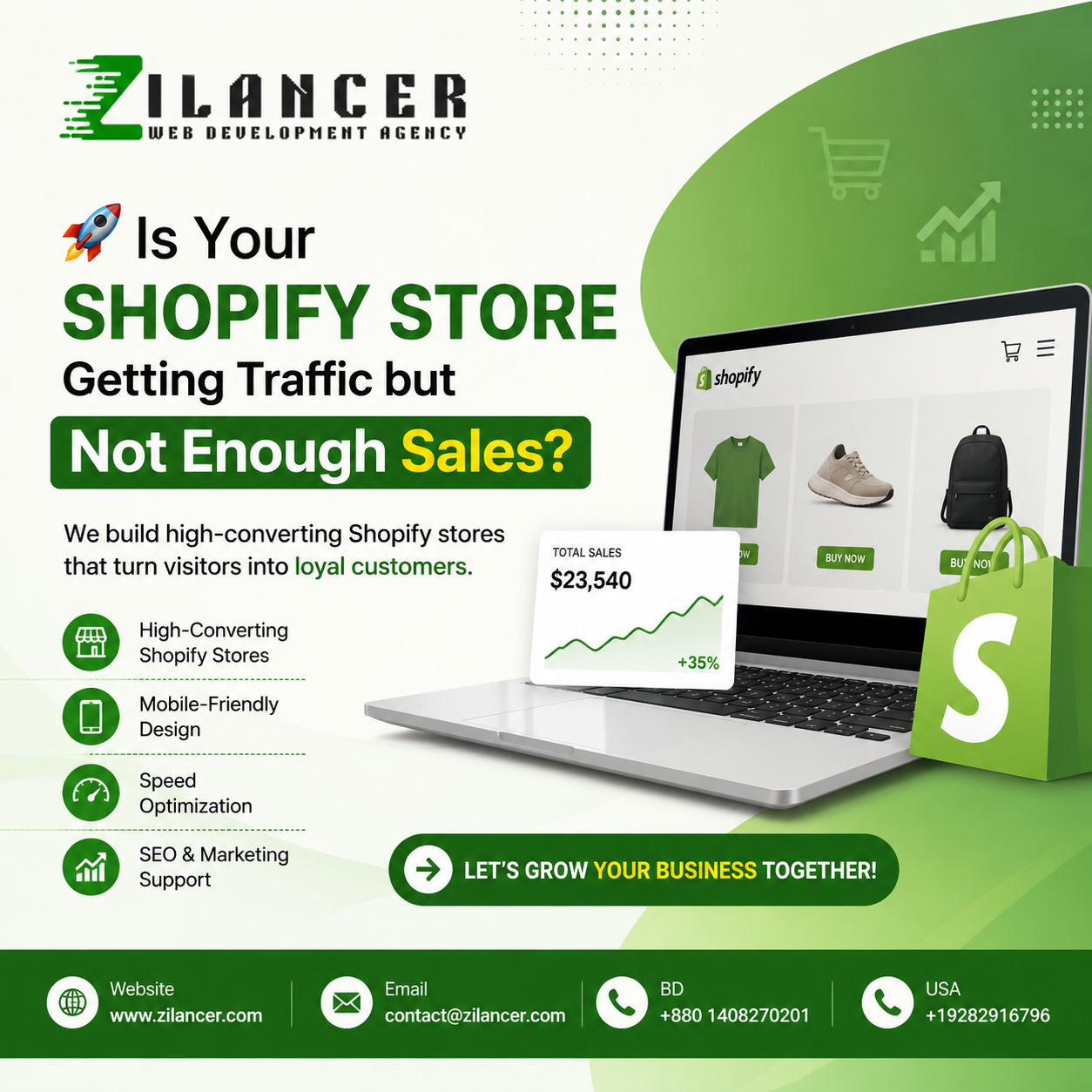
At Zilancer, we specialize in transforming ordinary Shopify stores into high-converting digital experiences. Through strategic UI/UX improvements, we help brands unlock higher engagement, better trust, and stronger revenue performance. You can explore more about our work at Zilancer Official Website.
Understanding UI and UX in the Context of Shopify Stores
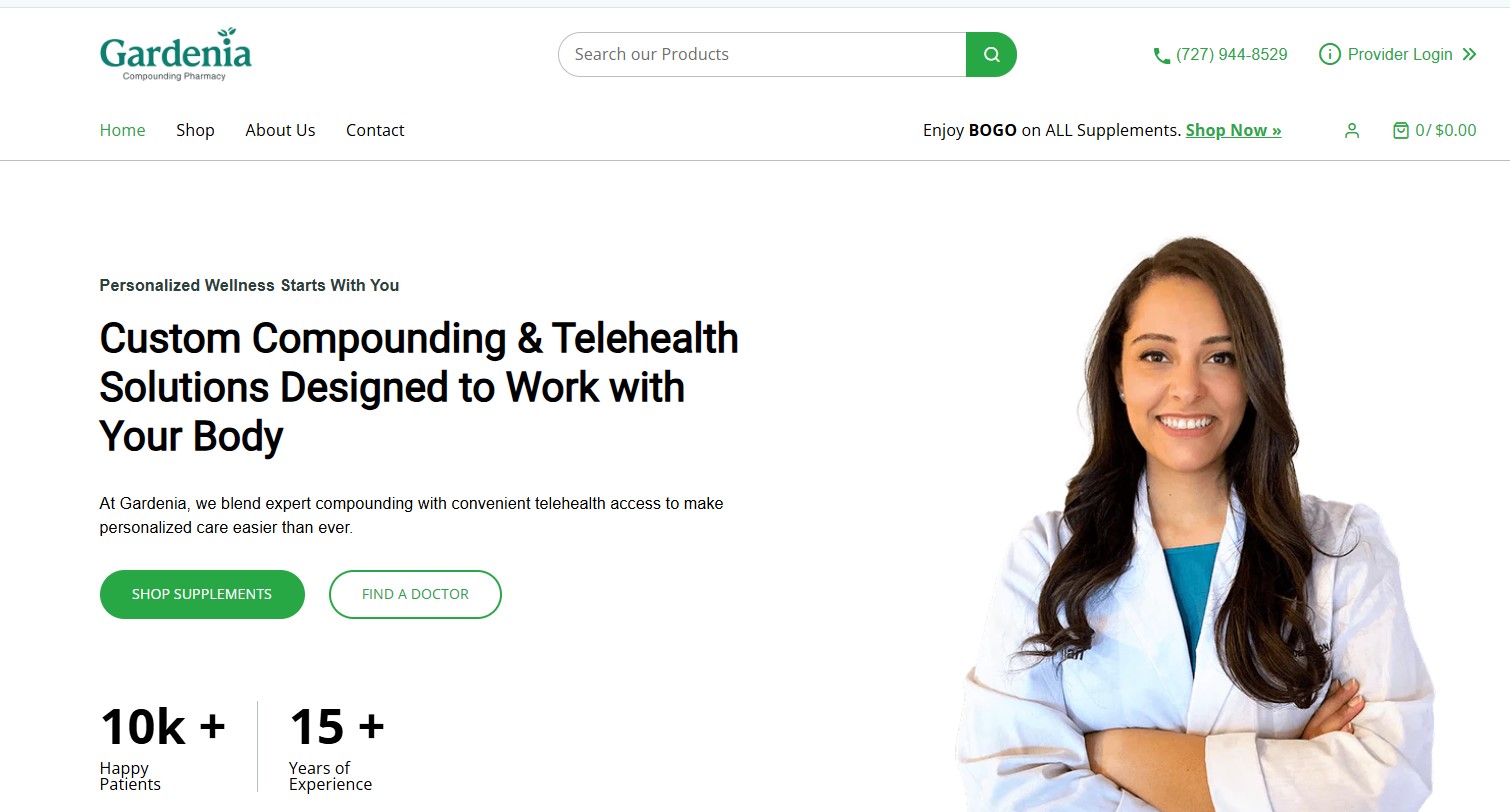
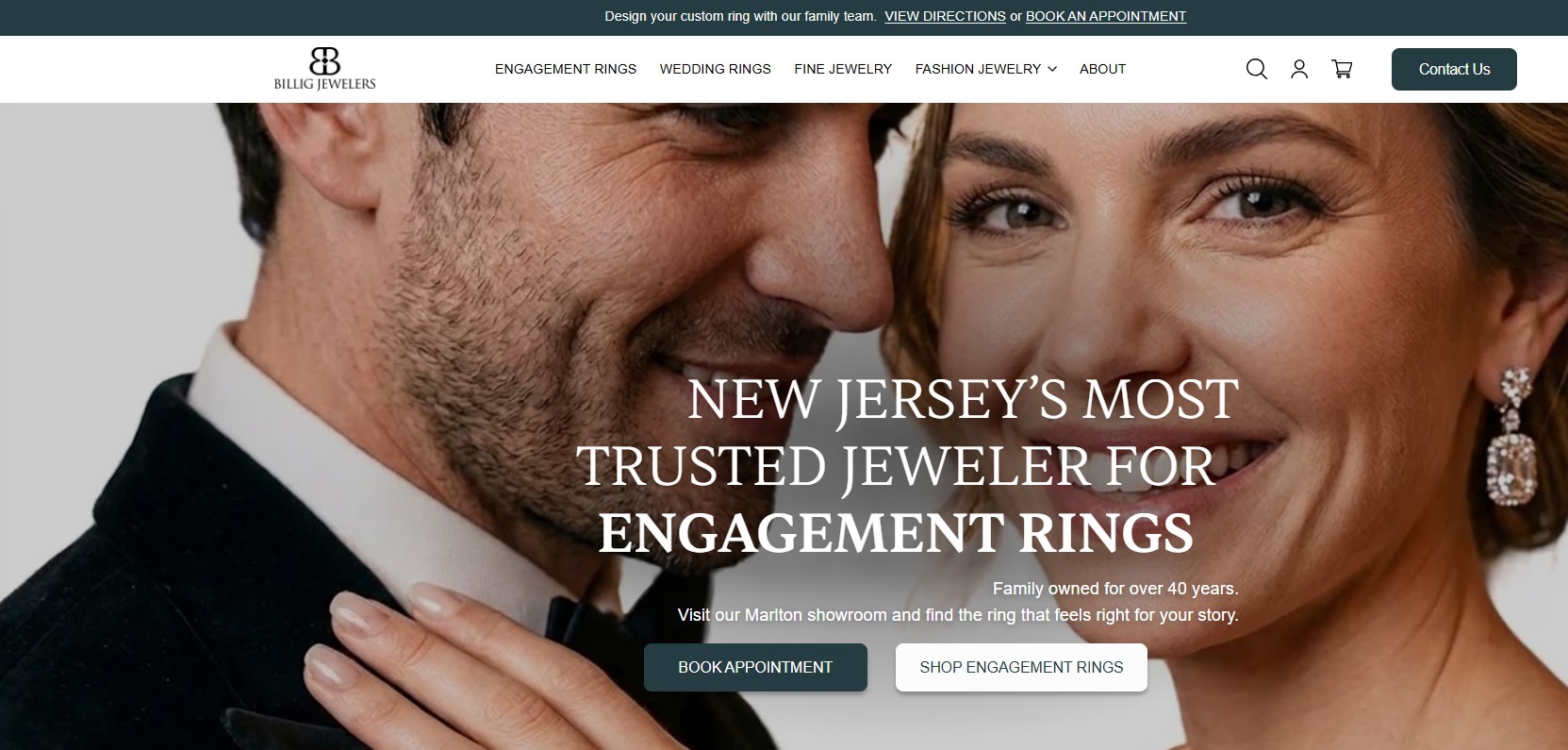
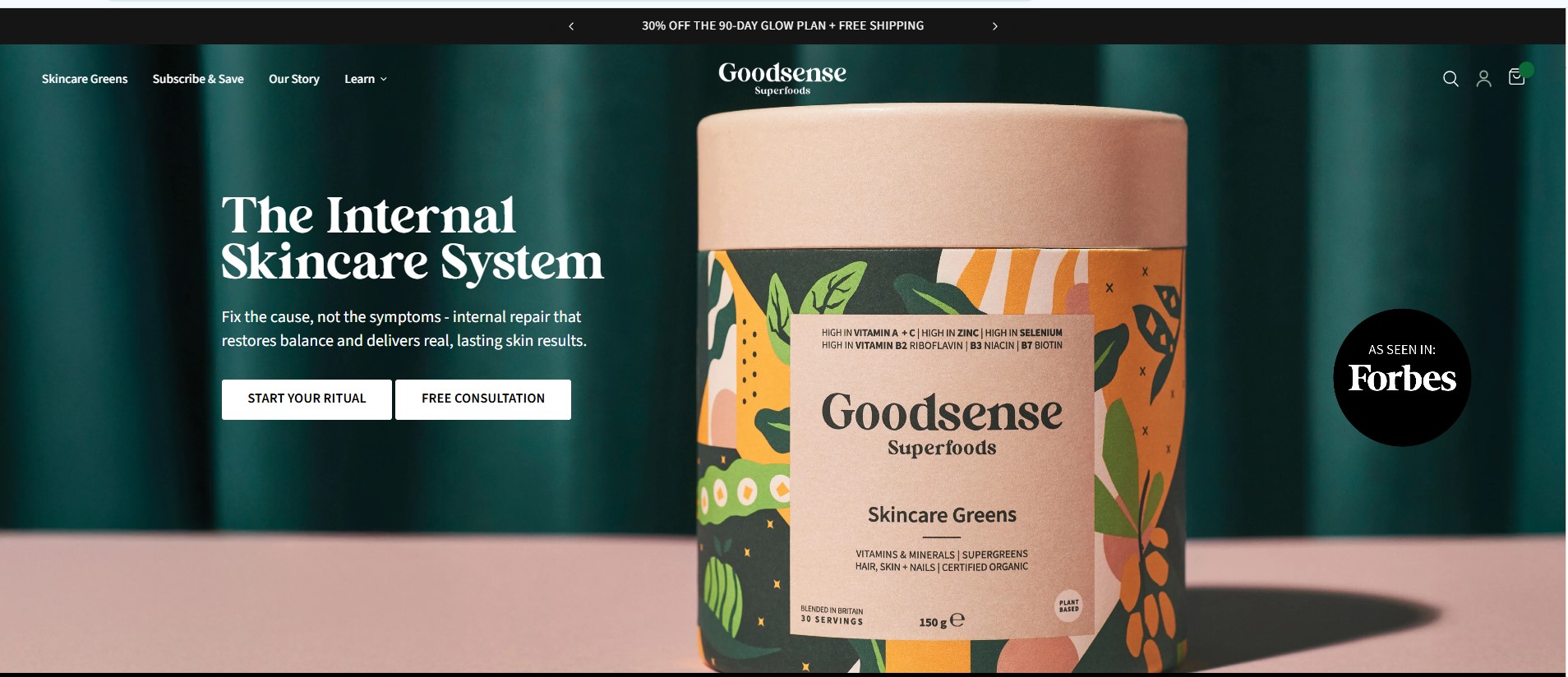
UI (User Interface) and UX (User Experience) are two closely connected but different parts of how a Shopify store works and performs. Together, they shape how visitors see your store, how they interact with it, and how easily they can complete a purchase. UI focuses on the visual side of your Shopify store. It includes everything the user can see on the screen, such as layout structure, color combinations, typography, product images, buttons, banners, and overall design consistency. A strong UI makes a store look professional, modern, and trustworthy. It creates the first impression that either attracts users to explore further or pushes them to leave immediately. In Shopify, where competition is high and users have many alternatives, visual quality plays a major role in capturing attention within seconds.
UX focuses on the experience behind those visuals. It is about how easy and smooth it is for a user to navigate through your store, find products, understand information, and complete a purchase without confusion or frustration. UX includes site speed, navigation flow, product discovery, filtering systems, mobile responsiveness, and checkout simplicity. Even if a Shopify store looks visually stunning, poor UX can still lead to low conversions because users struggle to move through the buying journey. In a Shopify store environment, UI and UX must work together as a single system. A beautiful design without usability will not convert, and a highly functional but poorly designed store will not build trust. When UI creates attraction, and UX removes friction, the result is a smooth shopping experience that naturally increases conversion rates, improves customer satisfaction, and builds long-term brand loyalty.
First Impressions Decide Everything in eCommerce
In eCommerce, first impressions are formed almost instantly. When a visitor lands on a Shopify store, they typically decide within a few seconds whether they will stay and explore or leave and never return. This decision is heavily influenced by the store’s UI and overall visual presentation. The User Interface is the first thing customers notice. Elements like the homepage layout, banner design, product images, typography, and color scheme immediately communicate the quality and professionalism of the brand. A clean, modern, and well-structured UI creates a sense of trust and encourages users to continue browsing. On the other hand, a cluttered, outdated, or inconsistent design can quickly make the store feel unreliable, even if the products are good. User Experience also plays a major role in these first few moments. If the website loads slowly, navigation feels confusing, or important information is hard to find, users will not wait to figure it out. They will simply leave and move to a competitor. In today’s fast-paced digital environment, users expect instant clarity and smooth interaction from the very beginning.
This is why successful Shopify stores focus heavily on creating a strong first impression through both UI and UX optimization. When design feels professional and the browsing experience feels effortless, users are more likely to trust the brand, explore products, and eventually complete a purchase. First impressions are not just about appearance—they are the foundation of conversion success. Navigation is one of the most critical UX elements in any Shopify store. When users arrive on your website, they should instantly understand where to go and how to find what they need. A well-designed navigation system reduces friction and guides users naturally toward product pages, collections, and checkout. Poor navigation creates confusion, increases bounce rate, and reduces overall conversions.
In advanced UI/UX systems developed by agencies like Zilancer, navigation is structured based on customer psychology, not just categories. This ensures users are subtly guided through a conversion journey rather than being left to explore randomly.
The Psychology Behind UI/UX and Buying Decisions
Every purchase decision in a Shopify store is influenced by psychology, even when customers believe they are making purely logical choices. UI and UX design play a powerful role in shaping those decisions by guiding attention, building trust, and reducing hesitation throughout the shopping journey. Visual design elements in the User Interface directly affect emotional response. Colors can create feelings of trust, urgency, or excitement. For example, calm and neutral tones often communicate professionalism and reliability, while bold accent colors can draw attention to important actions like “Add to Cart” or “Buy Now” buttons. Typography also influences perception, where clean and readable fonts create a sense of credibility and premium quality, while inconsistent or hard-to-read fonts may reduce trust. Spacing and layout are equally important in influencing user psychology. A well-structured design with enough white space feels organized and easier to understand. It reduces cognitive overload, allowing users to focus on products instead of distractions. When a Shopify store feels simple and clear, users naturally feel more comfortable exploring and making decisions.
User Experience adds another layer of psychological influence by removing friction from the buying process. When navigation is intuitive, product information is easy to access, and checkout is smooth, users experience less mental resistance. This smooth flow reduces doubt and increases confidence in the purchase decision. Trust is also built through UX signals such as reviews, secure payment indicators, clear return policies, and transparent shipping information. These elements reassure users that their decision is safe and low-risk, which is essential for converting first-time visitors into customers. Ultimately, effective UI/UX design works with human psychology rather than against it. It gently guides users toward a purchase by making the journey feel natural, trustworthy, and effortless, which is the true foundation of high Shopify conversion rates. More than half of Shopify traffic today comes from mobile devices. This makes mobile UX one of the most important conversion factors. A mobile-optimized UI ensures that users can browse products easily, tap buttons comfortably, and complete purchases without zooming or struggling with layout issues. If a store is not mobile-friendly, it loses a significant portion of potential revenue. UX on mobile also includes fast loading speed, simplified layouts, and thumb-friendly navigation. Modern Shopify stores must prioritize mobile-first design rather than adapting desktop layouts to smaller screens.
Page Speed and User Experience Connection
Page speed is one of the most critical yet often underestimated factors in Shopify UI/UX performance. It directly influences how users feel about your store, how they interact with it, and whether they decide to stay or leave within seconds. In eCommerce, even a small delay can have a major impact on conversion rates because users expect instant access to products and information. From a User Experience perspective, speed defines the quality of interaction. When a Shopify store loads quickly, users feel the experience is smooth, professional, and reliable. They can move through pages without interruption, browse products effortlessly, and reach the checkout stage without frustration. This seamless flow creates a positive impression and increases the likelihood of purchase.
On the other hand, slow-loading pages create friction immediately. Users may not always consciously analyze the delay, but they feel it through impatience and frustration. This often leads to higher bounce rates, abandoned sessions, and reduced trust in the brand. In many cases, users will not wait for a slow store to load when faster alternatives are just a click away. Page speed also affects how other UI/UX elements perform. High-quality images, animations, and interactive features are important for creating an engaging experience, but if they are not optimized properly, they can slow down the store and negatively impact usability. A well-balanced Shopify store ensures that design enhancements do not compromise performance. Mobile experience makes page speed even more important. Mobile users often browse on slower networks, so even minor performance issues can feel much more noticeable. A fast, responsive mobile UX ensures that users can browse, scroll, and purchase without delays, which is essential for maximizing conversions.
Ultimately, page speed is not just a technical metric; it is a core part of user experience. A fast Shopify store feels trustworthy, professional, and easy to use, while a slow store creates doubt and frustration. Optimizing speed is therefore one of the most effective ways to improve UI/UX quality and increase overall conversion rates
How Zilancer Transforms Shopify Stores Through UI/UX
In the competitive world of Shopify eCommerce, simply having a store is not enough to generate consistent sales. The real difference comes from how effectively your store is designed to guide users, build trust, and convert visitors into paying customers. This is where strategic UI/UX transformation becomes essential, and it is also where expert execution makes a measurable impact on business growth. Zilancer focuses on transforming Shopify stores into high-performing digital experiences by combining design psychology, user behavior analysis, and conversion-focused strategy. Instead of treating design as only a visual upgrade, the approach is centered around performance improvement, where every layout, interaction, and visual element is optimized to increase engagement and sales. The transformation process begins with understanding how users interact with a store. This includes identifying where customers drop off, what confuses them, and which parts of the journey create friction. Once these patterns are analyzed, the store is redesigned to remove barriers and create a smoother path from landing page to checkout. This ensures that users do not just visit the store but are naturally guided toward completing a purchase.
UI improvements focus on creating a clean, modern, and brand-consistent visual identity that immediately builds trust. Product displays are enhanced, typography is refined for readability, and spacing is optimized to reduce visual clutter. At the same time, UX improvements ensure that navigation is intuitive, product discovery is effortless, and the checkout process is fast and simple. This combination significantly reduces bounce rates and increases conversion potential. Mobile optimization is also a core part of the transformation, since most Shopify traffic comes from mobile devices. The experience is redesigned to ensure smooth scrolling, easy tapping, and fast loading across all screen sizes. This mobile-first approach ensures that no potential customer is lost due to poor usability on smaller devices.
Ultimately, the goal of Zilancer’s UI/UX transformation is not just to make a Shopify store look better, but to make it perform better. By aligning design decisions with user psychology and conversion principles, stores become more persuasive, more trustworthy, and significantly more profitable. You can explore more about this approach at Zilancer Official Website
As technology evolves, UI/UX will continue to play an even more important role in eCommerce success. AI-driven personalization, dynamic layouts, and behavior-based design systems are becoming the new standard. Shopify stores that adapt to these changes early will have a significant advantage over competitors. UX will become more personalized, while UI will become more interactive and immersive. Businesses that invest in UI/UX today are essentially investing in long-term conversion growth and brand authority. UI/UX design is not just a visual enhancement for Shopify stores. It is a direct conversion engine that influences user behavior, trust, and purchasing decisions. From navigation to checkout, every element contributes to how effectively your store converts visitors into customers.A well-optimized UI/UX system can dramatically increase sales without increasing traffic. This is why businesses that prioritize design psychology and user experience consistently outperform their competitors. With expert guidance from Zilancer, Shopify brands can transform their digital presence into a high-converting sales machine.