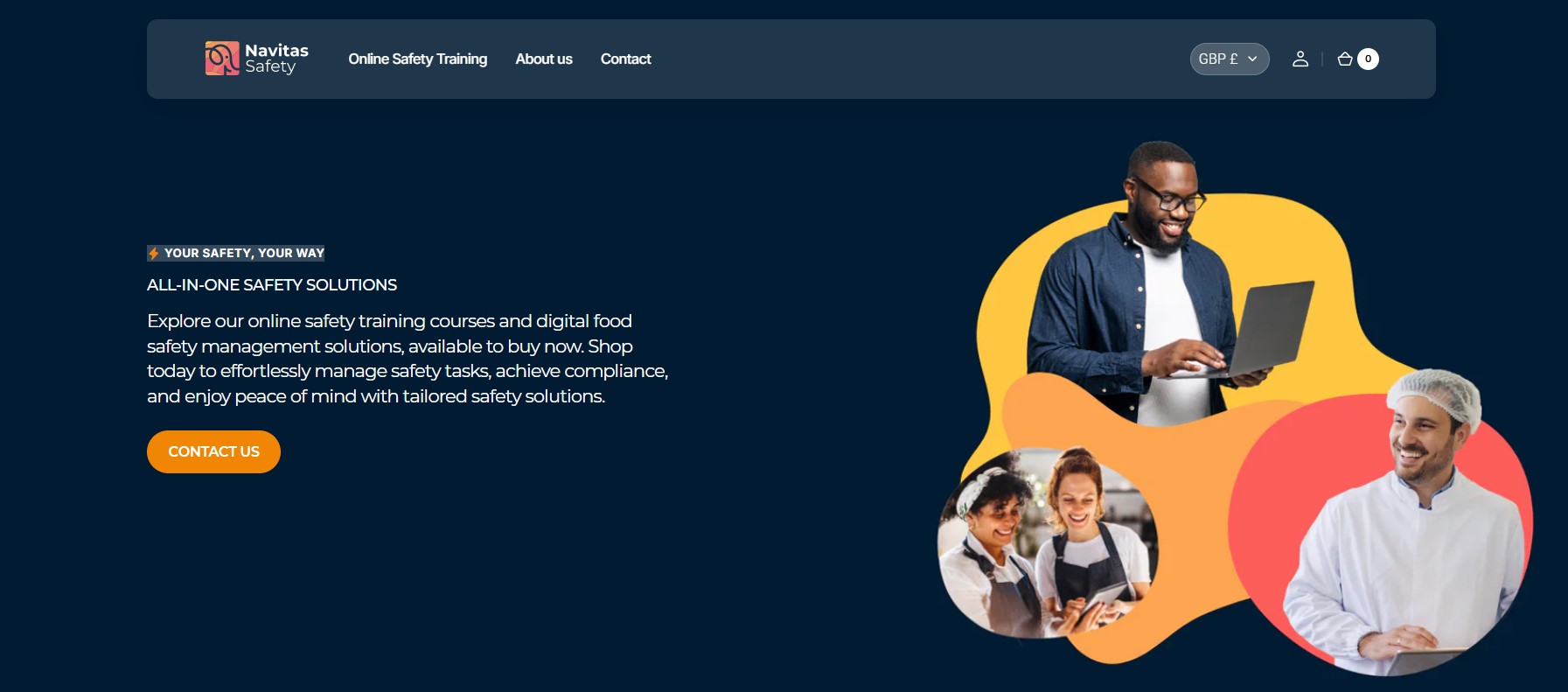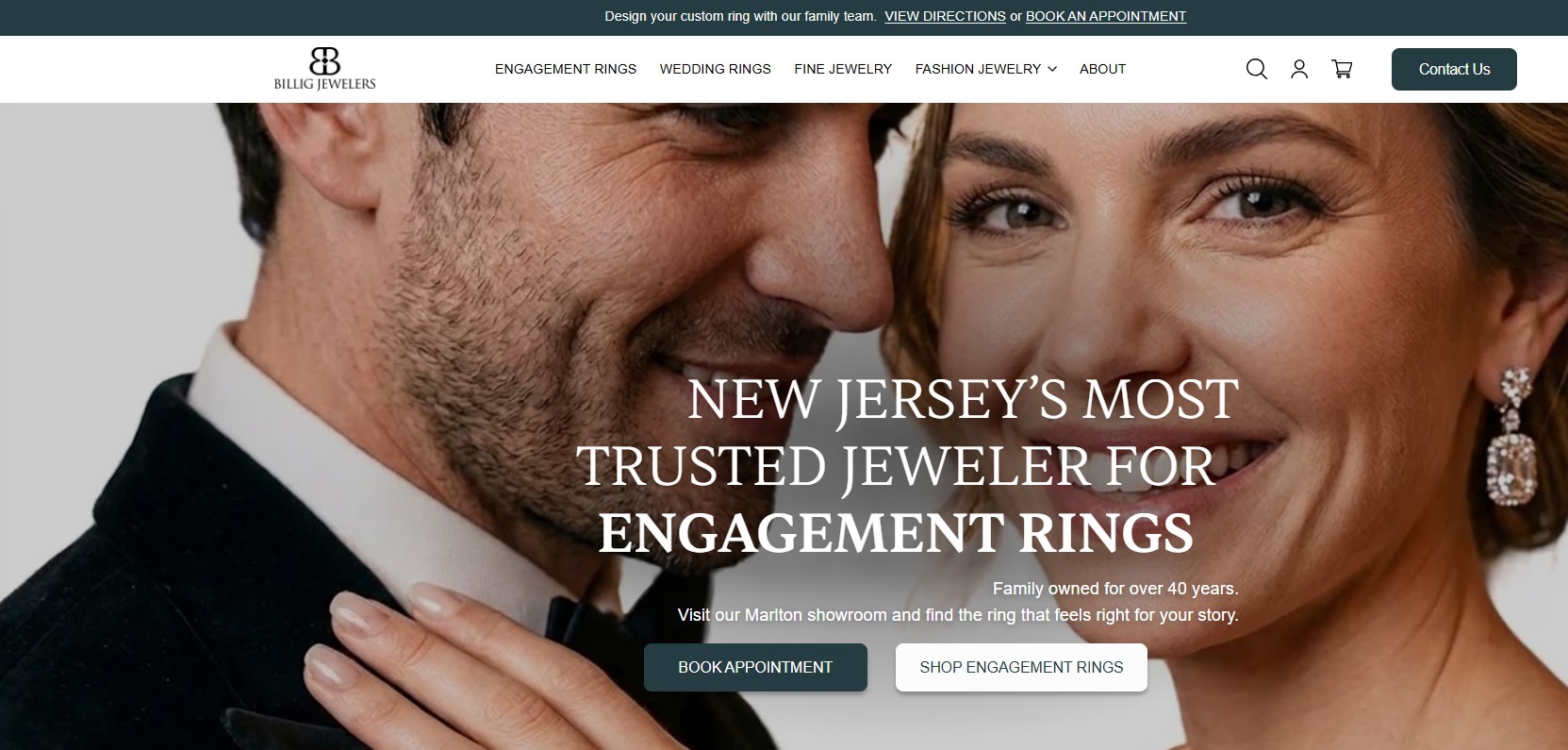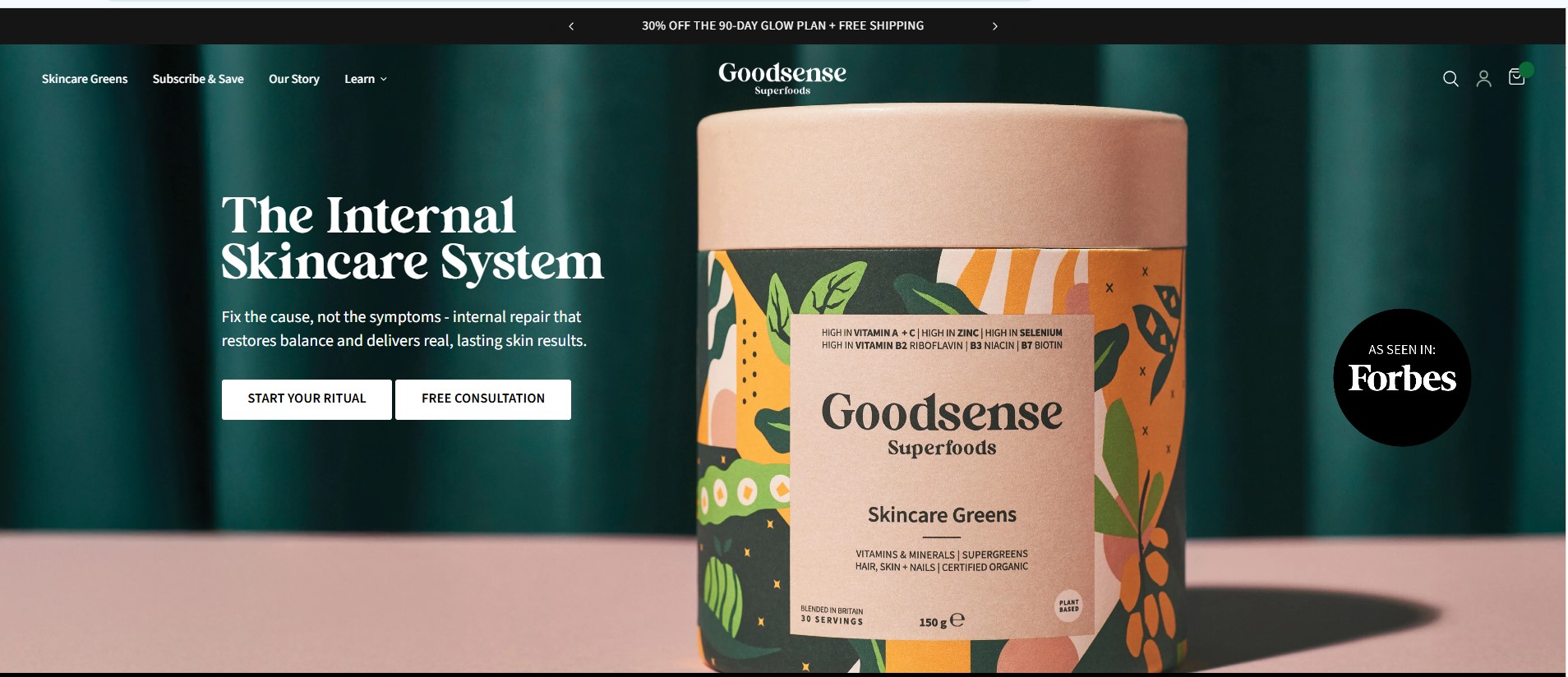




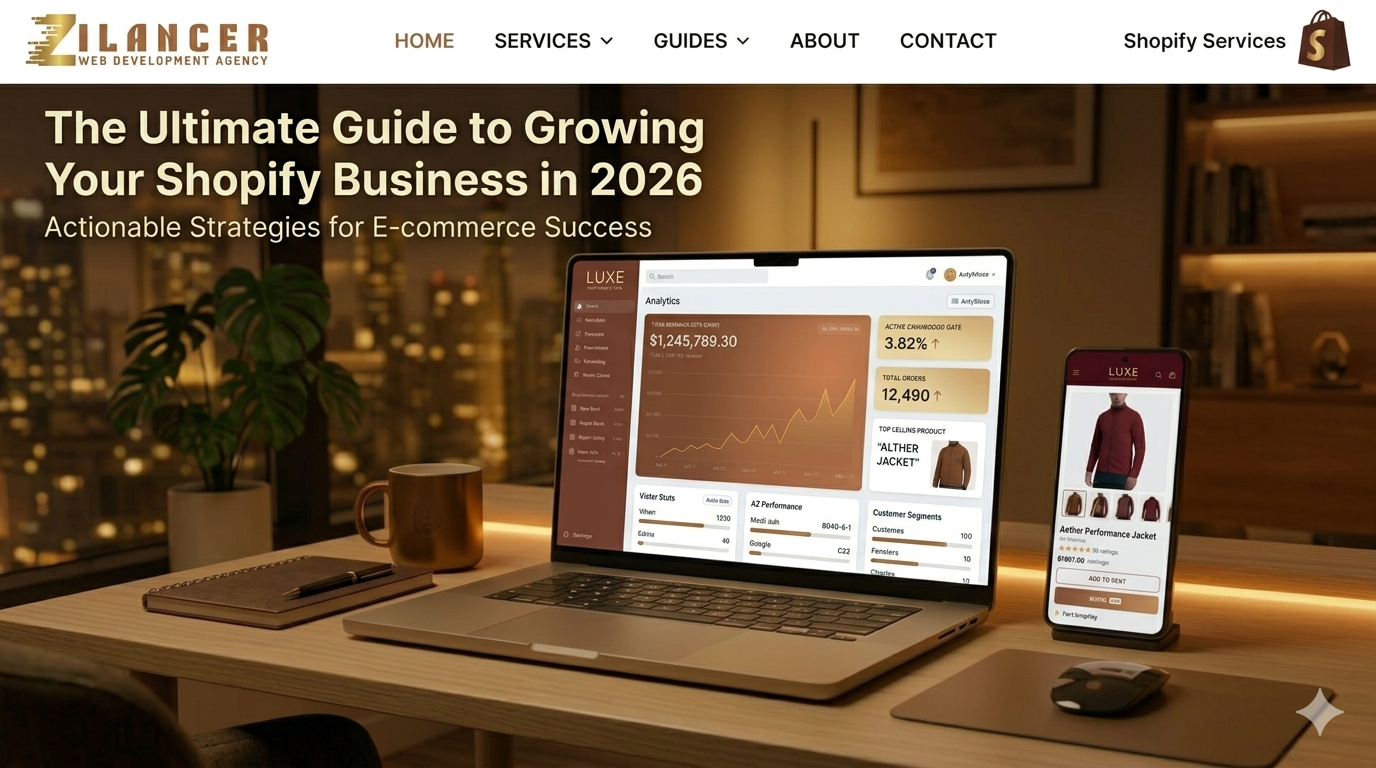
The world of eCommerce continues to evolve at a rapid pace, and in 2026, building a successful Shopify business is no longer just about launching a store and adding products. It is about creating a seamless customer experience, leveraging data intelligently, and implementing strategic marketing that drives consistent growth. As competition increases, only those brands that understand the deeper layers of Shopify optimization and digital advertising will stand out. This guide explores how to grow your Shopify business effectively in 2026 while highlighting how a professional agency like Zilancer can help you scale faster and smarter.
Understanding the Shopify Landscape in 2026
Shopify has grown into one of the most powerful eCommerce platforms globally, empowering businesses of all sizes to build, manage, and scale online stores. However, Shopify’s accessibility has also made the market highly competitive. Thousands of new stores are launched every day, which means simply having a store is no longer enough. In 2026, successful Shopify businesses are built on strong branding, optimized user experience, fast-loading pages, and data-driven decision-making. Customers expect a seamless journey from the moment they land on your store to the moment they complete a purchase. Any friction in this journey can result in lost sales.
At Zilancer, we understand these evolving expectations. Our approach combines advanced Shopify development with performance marketing strategies to help businesses stay ahead of the competition. A Shopify store is more than just a digital storefront. It is your brand’s identity, your sales engine, and your customer experience hub. In 2026, design alone is not enough; conversion-focused design is what drives results. A high-converting store must be clean, fast, and easy to navigate. Every element, from the homepage layout to the product pages, should guide the user toward making a purchase. This includes clear product descriptions, high-quality images, trust signals, and a smooth checkout process. We specialize in building Shopify stores that are designed not just to look good but to convert visitors into customers. By analyzing user behavior and implementing proven design strategies, we create stores that maximize engagement and sales.
The Power of Data-Driven Marketing
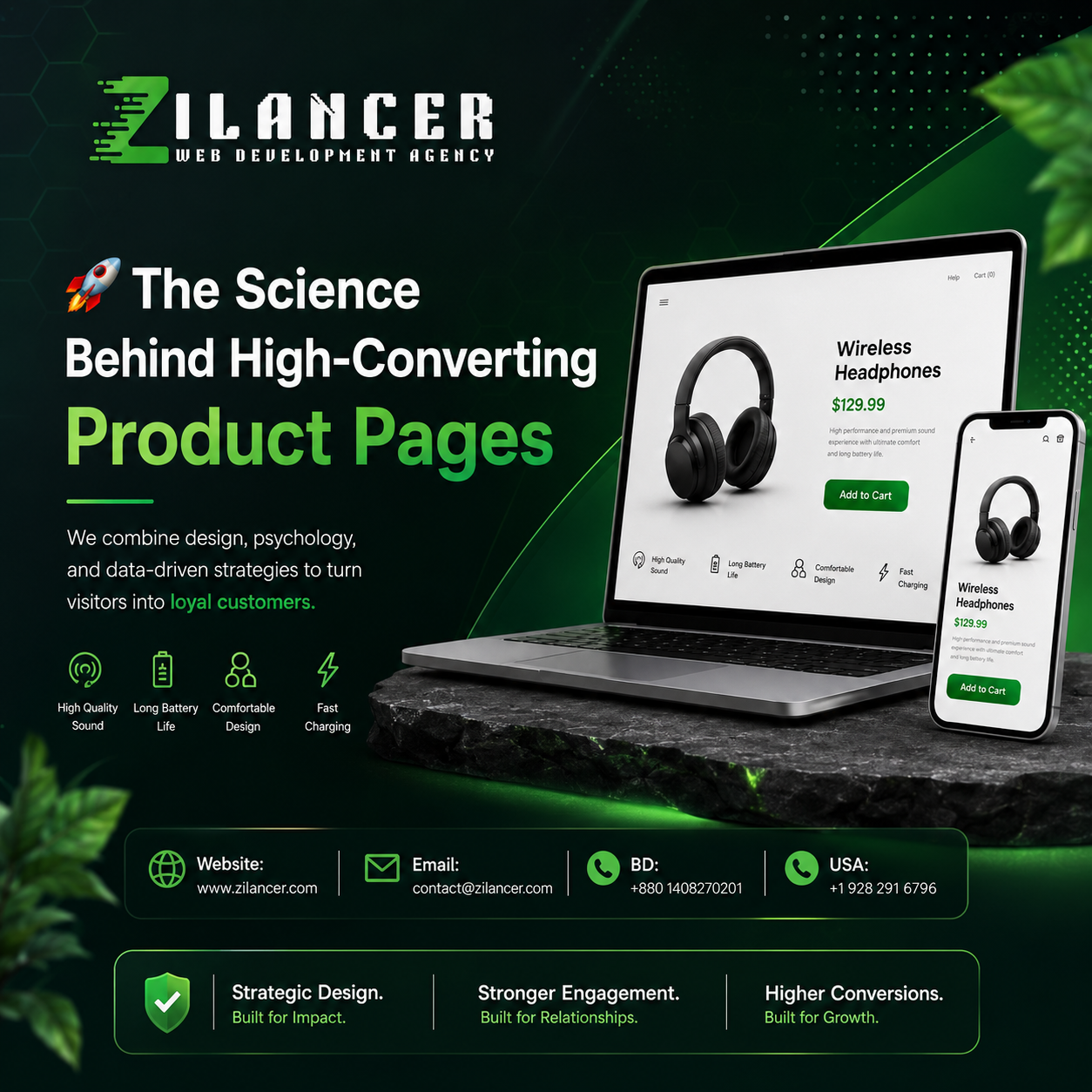
Data-driven marketing has transformed the way modern businesses attract, engage, and convert customers by replacing guesswork with measurable insights. Instead of relying on assumptions, brands now use real-time data to understand customer behavior, preferences, and buying patterns, allowing them to create more targeted and effective campaigns. This approach enables businesses to deliver the right message to the right audience at the right time, significantly increasing conversion rates and return on investment. By analyzing key metrics such as website traffic, click-through rates, customer journeys, and purchase history, marketers can identify what works and what doesn’t, then continuously optimize their strategies for better results. One of the biggest advantages of data-driven marketing is personalization, where businesses tailor content, offers, and ads based on individual user behavior, making customers feel understood and valued. This not only improves engagement but also builds long-term brand loyalty. Additionally, platforms like Google Analytics, Facebook Ads Manager, and CRM systems provide powerful tools to track performance and make informed decisions with precision. A/B testing is another essential component, allowing marketers to experiment with different creatives, headlines, and targeting options to find the most effective combination. Data also helps in budget allocation, ensuring that marketing spend is focused on high-performing channels instead of being wasted on underperforming campaigns. In a competitive digital landscape, businesses that leverage data gain a clear advantage by making smarter, faster, and more strategic decisions. Ultimately, data-driven marketing is not just about collecting information—it’s about turning that information into actionable insights that drive growth, improve customer experience, and maximize overall business performance. Organic growth is important, but in a competitive market, paid advertising plays a crucial role in scaling a Shopify business. Platforms like Facebook, Instagram, and Google offer powerful tools to reach targeted audiences and drive traffic to your store. However, running successful ad campaigns requires more than just setting up ads. It involves audience research, creative testing, budget optimization, and continuous analysis. Zilancer helps businesses scale through data-driven advertising strategies. We create high-performing ad campaigns that attract the right audience and convert them into loyal customers. Our focus is not just on generating traffic but on driving profitable growth. Product pages are the heart of your Shopify store. They are where customers make their buying decisions, and even small improvements can significantly impact your conversion rate. In 2026, effective product pages combine compelling storytelling with clear information. This includes engaging headlines, persuasive descriptions, high-quality visuals, and customer reviews. Additionally, elements like urgency and scarcity can encourage customers to take action. Zilancer works closely with businesses to optimize product pages based on user behavior and industry best practices. By testing different layouts and content strategies, we ensure that your product pages perform at their highest potential. With the majority of online shopping now happening on mobile devices, having a mobile-optimized store is critical. A slow or poorly designed mobile experience can lead to high bounce rates and lost sales. In 2026, mobile optimization goes beyond responsive design. It includes fast loading times, intuitive navigation, and a seamless checkout process. Every detail matters when it comes to delivering a smooth mobile experience.
Zilancer prioritizes mobile optimization in every project. We ensure that your Shopify store performs flawlessly across all devices, providing a consistent and enjoyable experience for your customers.
Why Choose Zilancer for Your Shopify Growth
Choosing the right partner for your Shopify growth can make the difference between a store that just looks good and one that actually generates consistent sales. Zilancer focuses on building performance-driven Shopify stores that are designed not only to attract visitors but to convert them into paying customers. Every project is approached with a clear strategy—combining design, speed, and marketing psychology to create a store that works like a 24/7 salesperson for your business. One of the key reasons to choose Zilancer is its strong focus on conversion optimization. Instead of relying on generic templates, each store is crafted with a user-first mindset, ensuring smooth navigation, clear product presentation, and trust-building elements that encourage buyers to take action. From high-converting product pages to optimized checkout experiences, every detail is built to maximize results.
Speed and performance are also at the core of Zilancer’s approach. A slow website can kill conversions and waste your ad budget, which is why every Shopify store is optimized for fast loading times across all devices. This not only improves user experience but also boosts SEO rankings, helping your store get discovered organically while performing better with paid ads. Zilancer also understands the importance of scalability. As your business grows, your store needs to handle more traffic, products, and customer interactions without breaking down. Their development process ensures your Shopify store is built with a strong foundation that supports long-term growth and easy integration with marketing tools, apps, and automation systems. Another major advantage is their data-driven mindset. Zilancer doesn’t rely on assumptions—they use insights, analytics, and testing to continuously improve performance. Whether it’s refining landing pages, improving user flow, or enhancing ad conversion paths, every decision is backed by data to ensure measurable growth. Ultimately, Zilancer is not just a service provider—it’s a growth partner. By combining design expertise, technical performance, and marketing strategy, they help businesses turn average Shopify stores into high-performing revenue machines. If you’re serious about scaling your Shopify business and maximizing your return on investment, Zilancer offers the expertise and systems needed to make that happen.