






Many Shopify stores lose potential sales because customers never scroll far enough to see the information that drives purchasing decisions. Discover why shoppers stop engaging with product pages, how user experience impacts conversions, and what successful brands do differently to keep visitors interested, engaged, and ready to buy.
Why Customers Don’t Scroll Your Product Page
The success of an online store depends on much more than attracting visitors. Many Shopify store owners invest heavily in paid advertising, search engine optimization, social media marketing, influencer partnerships, and email campaigns to drive traffic. Yet despite generating thousands of visitors every month, many stores struggle to convert those visitors into paying customers. One of the most overlooked reasons behind this challenge is surprisingly simple: customers are not scrolling through the product page. For many eCommerce businesses, the product page serves as the digital equivalent of a salesperson. It is where customers evaluate products, compare options, build trust, overcome objections, and ultimately decide whether to make a purchase. When shoppers fail to scroll beyond the first section of a product page, they miss important information that could influence their buying decision. Features, benefits, social proof, product specifications, FAQs, trust indicators, and persuasive content often remain unseen.
This creates a significant problem for online brands. Businesses spend time creating detailed product descriptions, adding customer testimonials, designing comparison charts, and showcasing product benefits, only to discover that most visitors never reach those sections. The result is lower engagement, reduced conversion rates, higher bounce rates, and missed revenue opportunities. Understanding why customers do not scroll is essential for every Shopify business owner who wants to maximize conversions. Consumer behavior online has evolved dramatically over the last decade. Attention spans are shorter, competition is greater, and expectations are higher than ever before. Modern shoppers make decisions quickly. If the top section of a product page fails to capture their interest immediately, many visitors will leave before discovering the information that could have convinced them to buy.
At Zilancer, we have worked with numerous Shopify brands across various industries and have consistently observed the same challenge. Many store owners assume that customers carefully read every section of their product pages. In reality, user behavior data often reveals a very different story. Heatmaps, session recordings, and scroll-depth analytics frequently show that a significant percentage of visitors never move beyond the first screen. This article explores the psychology behind scrolling behavior, the reasons customers stop engaging with product pages, the mistakes that drive visitors away, and the proven strategies successful Shopify brands use to keep shoppers engaged. By understanding these principles, businesses can create product pages that encourage deeper engagement and generate more sales.
The Modern Shopper’s Attention Span
The way people shop online has changed dramatically over the last decade. Modern consumers are constantly exposed to an endless stream of information, advertisements, social media updates, videos, emails, and notifications competing for their attention every second of the day. As a result, attention has become one of the most valuable and limited resources in digital commerce. Today’s shoppers make decisions faster than ever before, often forming opinions about a website or product page within just a few moments of arriving. When a potential customer lands on a Shopify product page, they are not immediately looking to read every detail about the product. Instead, they are subconsciously evaluating whether the page deserves their time and attention. They quickly assess the overall design, product images, page speed, branding, pricing, trust signals, and messaging before deciding whether to continue exploring. If the page fails to communicate value immediately, many visitors will leave without scrolling further.
This shift in consumer behavior has created a new challenge for eCommerce brands. In the past, shoppers were often willing to spend more time researching products online. Today, convenience and speed dominate purchasing decisions. Customers expect to find answers quickly, and if they encounter confusion, clutter, or friction, they simply move on to another store. Since competitors are only a click away, every second matters. One of the biggest misconceptions among online store owners is the belief that visitors will naturally scroll through the entire product page to find the information they need. In reality, most shoppers are looking for instant validation. They want to know whether the product solves their problem, whether the brand can be trusted, and whether the purchase is worth their money. If these questions are not addressed within the first visible section of the page, many customers lose interest before reaching the content placed further down.
The rise of mobile shopping has amplified this behavior even further. Smartphone users often browse while multitasking, commuting, watching television, or engaging with social media. Their attention is divided across multiple activities, making it even more difficult for brands to maintain engagement. A product page that appears overwhelming or requires excessive effort to navigate can quickly drive potential buyers away. Successful Shopify brands understand that attention must be earned rather than expected. They design product pages that immediately capture interest, communicate value, and encourage users to continue scrolling. Every element visible at the top of the page serves a specific purpose, from showcasing compelling product imagery to presenting a clear value proposition and building trust through reviews, guarantees, or social proof.
At Zilancer, we frequently analyze customer behavior data for Shopify stores and consistently find that attention span plays a critical role in conversion performance. Through heatmaps, session recordings, and user behavior tracking, it becomes clear that visitors who remain engaged during the first few seconds are significantly more likely to explore deeper content, interact with product information, and ultimately complete a purchase. This is why the initial experience of a product page often determines whether a visitor becomes a customer or leaves the store entirely. Understanding the modern shopper’s attention span is the foundation of effective product page optimization. Businesses that recognize how quickly online consumers make decisions can create experiences that capture attention, maintain engagement, and guide visitors naturally toward conversion. In a highly competitive eCommerce landscape, the brands that succeed are not necessarily those with the best products, but those that communicate their value most effectively within the limited window of attention available to today’s shoppers.
Why First Impressions Control Scroll Behavior
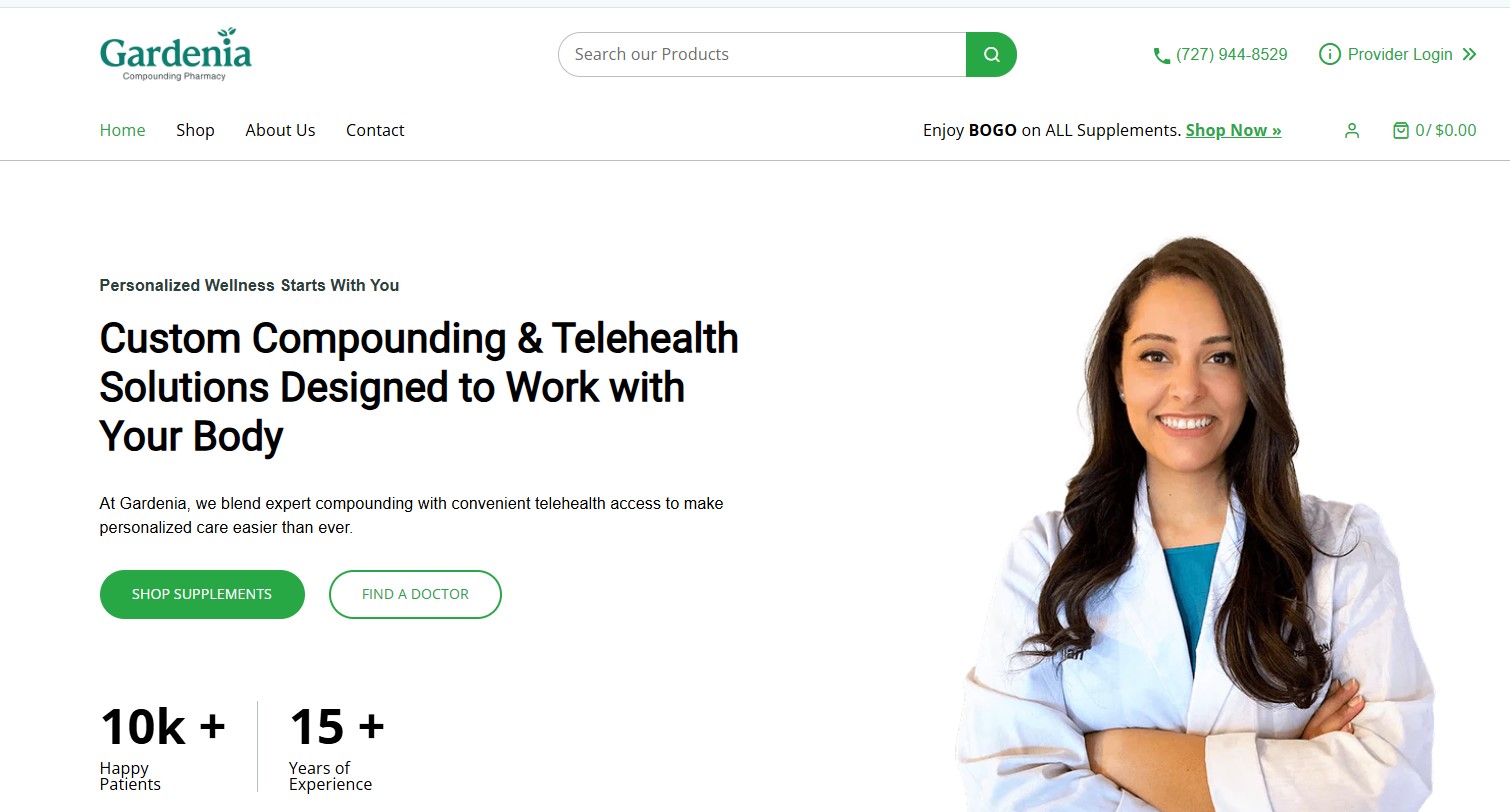
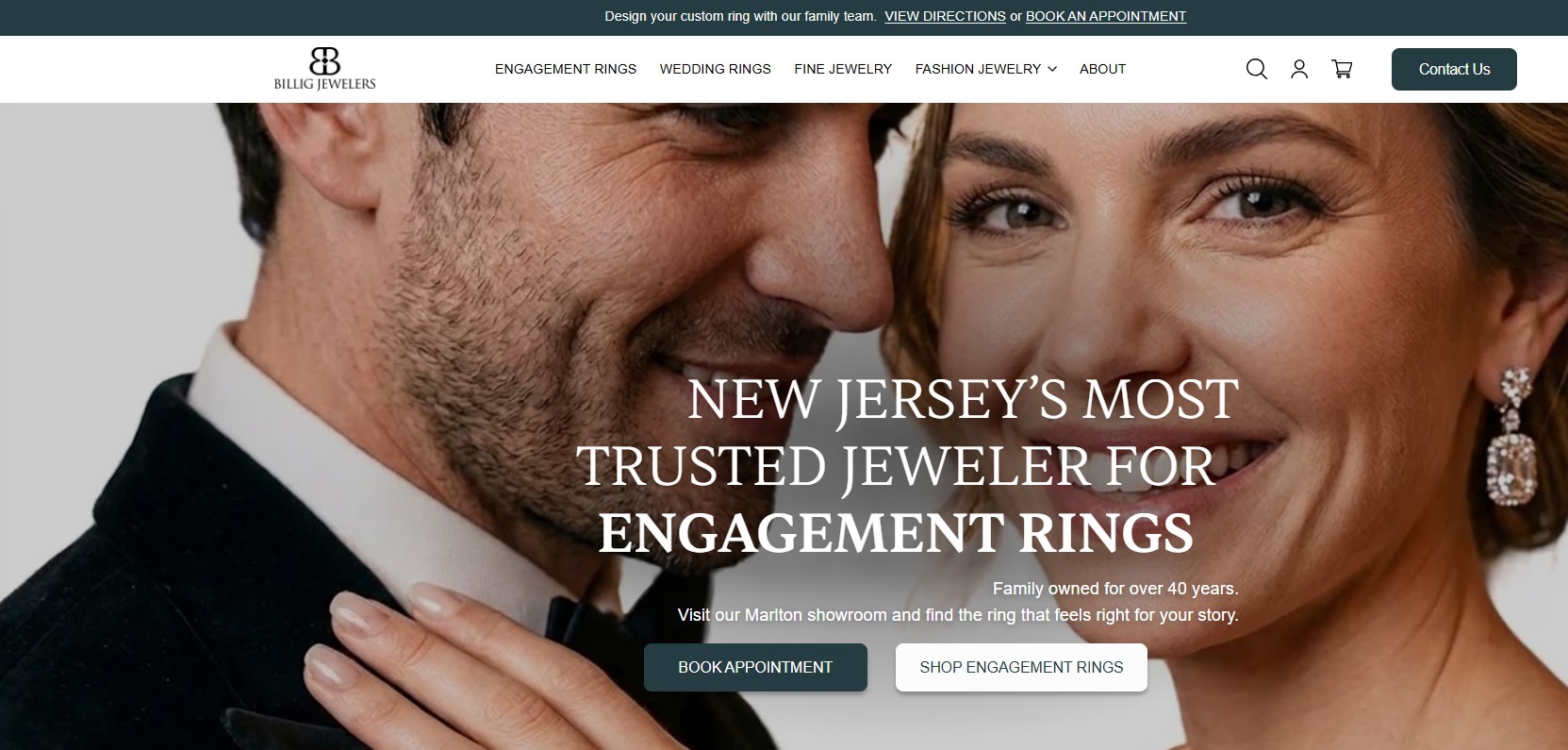
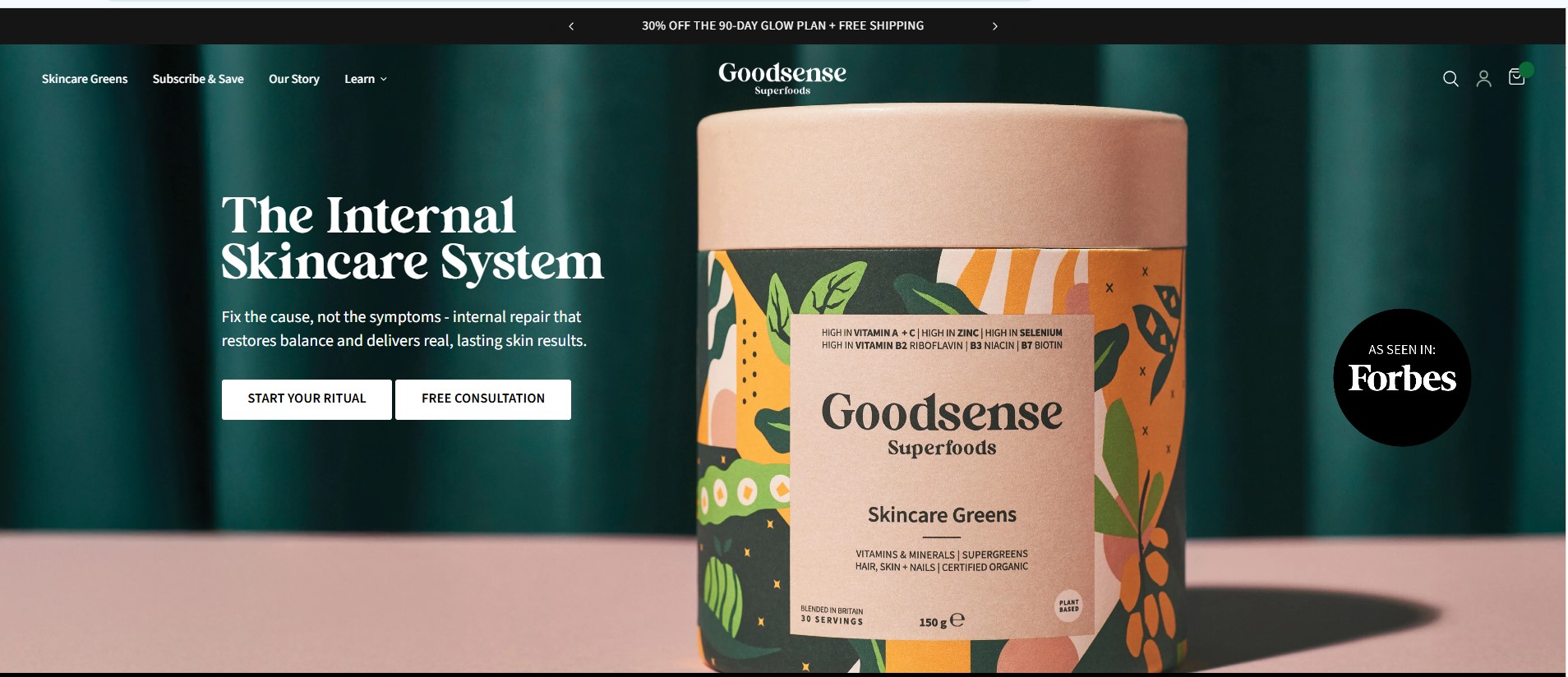
First impressions have always influenced human decision-making, but in the world of eCommerce, their impact is even more significant. When a visitor lands on a product page, they begin forming opinions about the product and the brand almost instantly. Before reading a description, checking reviews, or comparing features, customers evaluate the visual appearance, professionalism, and credibility of the page. These initial judgments often determine whether they continue scrolling or leave the website altogether. Many Shopify store owners invest considerable effort into creating detailed product descriptions, informative FAQs, customer testimonials, and persuasive sales content. However, if the first screen a visitor sees fails to create a positive impression, much of that valuable content may never be viewed. The reality is that customers rarely decide to scroll simply because more information exists below the fold. They scroll because the initial experience creates enough interest, trust, and curiosity to encourage further exploration.
The human brain is designed to make quick assessments. When shoppers arrive at a product page, they subconsciously ask a series of questions within seconds. Does this website look trustworthy? Is this product relevant to my needs? Is the brand professional? Can I find what I am looking for quickly? Is this worth my time? The answers to these questions are often determined long before the customer begins reading detailed content. Visual presentation plays a major role in shaping these first impressions. High-quality product photography immediately increases perceived value and professionalism. Clean layouts create a sense of organization and trust. Consistent branding reinforces credibility. Clear messaging helps customers understand what makes the product unique. Together, these elements establish confidence and encourage visitors to continue engaging with the page.
On the other hand, poor design can create friction that discourages scrolling. Low-resolution images, cluttered layouts, confusing navigation, excessive pop-ups, inconsistent branding, and unclear messaging can overwhelm visitors. When a product page feels unprofessional or difficult to navigate, customers often assume that the shopping experience itself may be equally frustrating. Instead of investing more time exploring the page, they simply leave and look elsewhere. Trust is another critical component of first impressions. Online shoppers cannot physically examine products before purchasing, making credibility extremely important. Elements such as customer reviews, ratings, trust badges, secure payment icons, money-back guarantees, and transparent policies help reassure visitors that they are dealing with a legitimate business. When these trust signals are visible early in the customer journey, visitors are more likely to continue scrolling and learning about the product.
Page speed also has a direct influence on first impressions. Modern consumers expect websites to load quickly and respond instantly. Even a slight delay can create frustration and increase bounce rates. Customers often interpret slow-loading pages as a sign of poor quality or outdated technology. As a result, they may abandon the page before engaging with any content. A fast, responsive Shopify store creates a smoother experience that encourages deeper interaction. Another important factor is the clarity of the value proposition. Visitors should immediately understand what the product is, who it is for, and why it is valuable. If customers have to search for basic information or struggle to identify the product’s benefits, their motivation to continue scrolling decreases significantly. The most effective product pages communicate value clearly within the first visible section, making it easy for visitors to recognize the relevance of the offer.
At Zilancer, we regularly conduct Shopify store audits and conversion optimization projects, and one of the most common issues we encounter is weak first-screen communication. Many stores have excellent products and compelling content hidden further down the page, but the opening section fails to capture attention effectively. By improving product imagery, refining messaging, strengthening trust signals, and optimizing page structure, businesses can dramatically increase customer engagement and scroll depth. The relationship between first impressions and scrolling behavior is simple yet powerful. Customers do not continue exploring a page because they are obligated to. They continue because the first experience convinces them that doing so will be valuable. Every element above the fold serves as an invitation to learn more. When that invitation is compelling, visitors naturally move deeper into the page. When it is weak, even the best content below the fold remains unseen.
In today’s competitive eCommerce environment, first impressions are not merely about aesthetics. They are about communication, trust, relevance, and user experience. Shopify brands that understand this principle can create product pages that capture attention immediately, maintain engagement throughout the customer journey, and ultimately convert more visitors into paying customers.
The Hidden Cost of Poor Product Page Structure
A product page can contain excellent content, high-quality images, compelling customer reviews, and a great product, yet still fail to generate sales. One of the most common reasons for this failure is poor page structure. While many Shopify store owners focus on design aesthetics or advertising campaigns, they often overlook how the organization of information influences customer behavior. A poorly structured product page can quietly reduce engagement, decrease scroll depth, and lower conversion rates without the business owner even realizing it. The structure of a product page acts as a roadmap for the customer journey. Every section should guide visitors naturally from awareness to interest, from interest to trust, and ultimately from trust to purchase. When information is presented in a confusing or disorganized manner, customers struggle to find what they need. Instead of feeling guided through a logical buying process, they experience friction and uncertainty. In many cases, this frustration leads them to leave the page before making a purchase decision.
One of the highest hidden costs of poor product page structure is lost attention. Online shoppers are not willing to spend significant amounts of time searching for information. They expect important details to be easy to find and easy to understand. When essential content such as product benefits, pricing information, shipping details, customer reviews, or trust signals is buried beneath unnecessary sections, visitors may never reach it. As a result, valuable conversion-driving content goes unseen. Another major issue is the lack of an information hierarchy. Every product page contains multiple types of content, but not all information carries the same level of importance. Customers typically want answers to key questions first. They want to know what the product does, how it benefits them, why it is better than alternatives, and whether the brand can be trusted. If these answers are delayed or hidden beneath less important content, engagement often declines. Visitors become less motivated to continue scrolling because they have not yet found the information that matters most to them.
Poor page structure can also create cognitive overload. When too many elements compete for attention at the same time, customers may feel overwhelmed. Excessive text, large blocks of information, multiple calls-to-action, unnecessary pop-ups, and cluttered layouts can make the page difficult to process. Instead of helping customers make informed decisions, the page creates confusion. This confusion often results in decision paralysis, causing potential buyers to postpone their purchase or leave the website entirely. The impact of poor structure becomes even more significant on mobile devices. Mobile users account for a substantial portion of eCommerce traffic, yet many product pages are not organized with mobile browsing behavior in mind. Long sections of unformatted text, oversized images, poorly spaced content, and difficult navigation can create a frustrating experience. Since mobile shoppers typically have shorter attention spans and higher expectations for convenience, even small structural issues can significantly reduce engagement and conversions.
Trust can also suffer when product pages lack clear organization. A well-structured page communicates professionalism and credibility. Customers feel more confident when information is presented logically and transparently. Conversely, a disorganized page may appear unprofessional or unreliable, even if the product itself is excellent. Shoppers may question the legitimacy of the brand, the quality of the product, or the security of the purchase process. These concerns can prevent them from moving forward with a transaction. Another hidden cost is reduced effectiveness of marketing efforts. Many businesses invest heavily in driving traffic through Facebook Ads, Google Ads, SEO, influencer marketing, and email campaigns. However, if visitors arrive on a poorly structured product page, much of that marketing investment is wasted. The traffic may be high, but conversion rates remain low because the page fails to support the buying process effectively. This creates a situation where customer acquisition costs increase while revenue growth remains limited.
Poor product page structure can also negatively affect search engine optimization. Search engines prioritize user experience and engagement signals when evaluating website quality. If visitors leave quickly, fail to interact with content, or spend little time on the page, these behavioral signals may indicate that the page is not meeting user expectations. Over time, this can impact organic visibility and reduce the effectiveness of SEO efforts. At Zilancer, we frequently analyze Shopify stores that generate significant traffic but struggle with conversions. In many cases, the issue is not the product, pricing, or marketing strategy. Instead, the problem lies in how information is presented. Through detailed audits, user behavior analysis, and conversion rate optimization, we often identify structural weaknesses that prevent customers from engaging with the page. By reorganizing content, improving information hierarchy, and creating a smoother user journey, businesses can often achieve substantial improvements in conversion performance without increasing advertising spend.
A well-structured product page creates momentum. Each section should naturally lead visitors to the next, answering questions, building trust, and reinforcing value along the way. Customers should never feel lost or forced to search for important information. Instead, the page should anticipate their needs and provide answers before doubts arise. When this process is executed effectively, scrolling becomes effortless and purchasing decisions become easier. The hidden cost of poor product page structure extends far beyond aesthetics. It affects customer engagement, trust, user experience, marketing performance, SEO results, and ultimately revenue. Businesses that recognize the importance of structure gain a significant competitive advantage because they create experiences that guide customers smoothly toward conversion. In today’s highly competitive Shopify landscape, a strategically organized product page is not simply a design preference—it is a powerful business asset that directly influences sales and long-term growth.
How Zilancer Helps Shopify Brands Turn Product Page Visitors into Customers
Driving traffic to a Shopify store is only half the battle. The real challenge begins when visitors land on a product page and decide whether to continue exploring or leave without taking action. Many Shopify store owners invest heavily in advertising, search engine optimization, social media marketing, and email campaigns to attract potential customers. However, if visitors fail to engage with the product page, even the most successful traffic-generation strategies can result in disappointing conversion rates. This is where Zilancer helps Shopify brands bridge the gap between traffic and revenue. At Zilancer, we understand that a product page is much more than a place to display products. It serves as a digital salesperson that must capture attention, build trust, answer questions, overcome objections, and guide customers toward making a purchase. When visitors stop scrolling or leave too quickly, it often indicates underlying issues with user experience, page structure, messaging, or conversion optimization. Our team specializes in identifying these issues and transforming underperforming product pages into powerful conversion assets.
One of the first ways Zilancer helps Shopify brands is through comprehensive store audits and user experience analysis. We carefully evaluate how visitors interact with product pages, identifying friction points that may be causing users to disengage. From confusing layouts and weak calls-to-action to poor mobile experiences and slow-loading elements, we uncover the obstacles preventing customers from moving further down the page and completing their purchases. Product page design plays a critical role in customer engagement, which is why Zilancer focuses on creating visually compelling and conversion-focused experiences. We ensure that every section of a product page serves a purpose and contributes to the customer journey. High-quality visuals, strategic content placement, intuitive navigation, and persuasive messaging work together to keep visitors engaged and encourage them to continue scrolling. By improving the overall structure and presentation of product pages, we help brands create stronger first impressions that increase customer confidence and interest.
Another key area where Zilancer delivers value is conversion rate optimization. Many Shopify stores already have quality products, but their product pages fail to communicate value effectively. Our team analyzes customer behavior and purchasing patterns to determine what information customers need most and where it should be placed within the page. We optimize headlines, product descriptions, trust elements, reviews, guarantees, and call-to-action sections to create a smoother path toward conversion. This strategic approach helps transform passive visitors into active buyers. Mobile optimization is another essential component of our process. With a significant percentage of online shopping now taking place on mobile devices, product pages must deliver exceptional experiences across all screen sizes. Zilancer develops mobile-first Shopify solutions that ensure content remains easy to navigate, visually appealing, and highly engaging. By reducing friction and improving usability on smartphones and tablets, we help businesses retain visitor attention and improve conversion performance.
Trust is often the deciding factor in whether a customer makes a purchase, and Zilancer helps Shopify brands build credibility throughout the buying journey. We strategically implement customer reviews, social proof, trust badges, secure payment indicators, shipping information, and satisfaction guarantees to reinforce confidence at every stage. When visitors trust a brand, they are more likely to spend time exploring product pages and ultimately complete a purchase. Speed optimization is another critical factor in customer engagement. Slow-loading product pages can significantly reduce scroll depth and increase bounce rates. At Zilancer, we optimize Shopify stores for performance, ensuring that pages load quickly and provide a seamless browsing experience. Faster websites not only improve customer satisfaction but also contribute to stronger SEO performance and higher conversion rates.
Beyond design and optimization, Zilancer offers custom Shopify development solutions tailored to the unique goals of each brand. Every business has different products, audiences, and challenges. Rather than relying on generic approaches, we develop customized strategies that align with specific business objectives. Whether a brand needs advanced product page functionality, custom Shopify theme development, enhanced user experiences, or complete store redesigns, our team creates solutions designed to maximize engagement and revenue. What truly sets Zilancer apart is our commitment to data-driven decision-making. We do not rely on assumptions or trends alone. Instead, we use analytics, customer behavior insights, conversion tracking, and performance data to guide every optimization effort. This ensures that every change contributes to measurable improvements in user engagement, customer satisfaction, and sales growth.
Over the years, Zilancer has helped numerous Shopify businesses improve their online performance by focusing on what matters most: creating customer experiences that convert. We understand that increasing traffic alone is not enough. Success comes from turning that traffic into meaningful customer interactions and ultimately into sales. By combining expert Shopify development, conversion rate optimization, user experience design, and strategic growth solutions, we help brands unlock the full potential of their product pages. For Shopify businesses struggling with low engagement, poor scroll depth, or underperforming product pages, the solution is often not more traffic but a better customer experience. Zilancer helps brands identify opportunities, eliminate friction, and create product pages that capture attention, build trust, and encourage action. The result is a stronger online presence, higher conversion rates, and sustainable business growth driven by a customer-focused approach to eCommerce success.