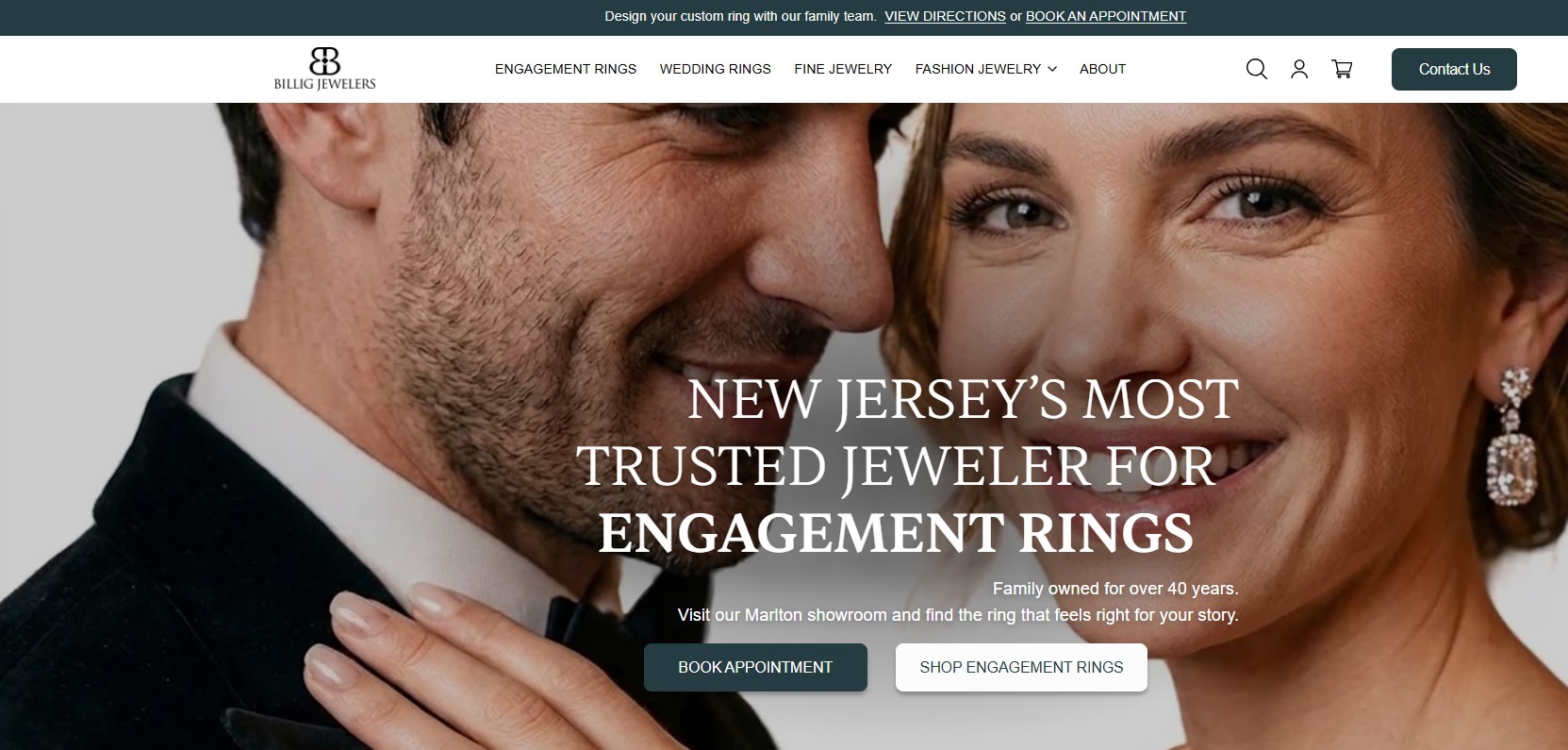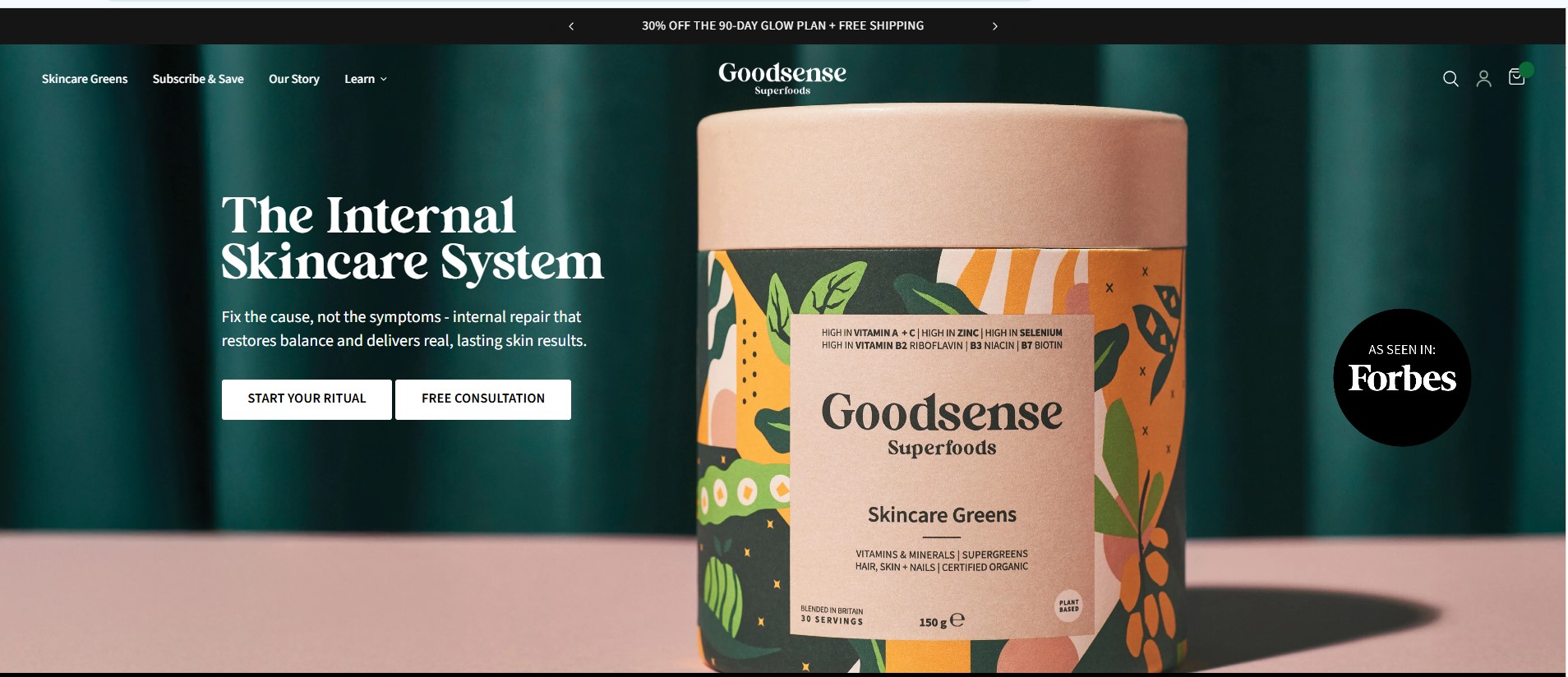









The Shopify ecosystem has become one of the most competitive eCommerce environments in the digital world. Every day, thousands of new stores launch with the hope of building profitable online businesses, attracting loyal customers, and scaling revenue globally. Yet despite the enormous growth of online shopping, most Shopify stores struggle with one silent problem that destroys conversions before customers even begin exploring products. That problem is trust. Modern online shoppers make decisions faster than ever before. Research consistently shows that users form opinions about websites within seconds. In many cases, a visitor decides whether your Shopify store feels trustworthy in less than three seconds. That short moment determines whether someone continues browsing or immediately leaves your store forever.
The challenge is that trust is not built through a single design element. Trust is the result of everything users experience the moment they enter your website. The colors, typography, layout, loading speed, product presentation, navigation structure, mobile responsiveness, branding consistency, checkout flow, and even spacing between sections all influence psychological perception. When a Shopify store looks outdated, confusing, slow, cluttered, or inconsistent, visitors instantly become cautious. They may not consciously identify the problem, but they feel uncertainty. That uncertainty reduces engagement, lowers conversion rates, increases bounce rates, and damages long-term brand growth. In today’s competitive eCommerce industry, trust is not optional anymore. Trust is the foundation of conversion optimization, customer retention, and sustainable online growth.
First Impressions Decide the Future of Your Shopify Store
In the modern eCommerce industry, first impressions are no longer just important — they are everything. The moment a visitor lands on your Shopify store, they instantly begin judging your brand, products, professionalism, and credibility. Before reading a single product description or exploring your collections, customers subconsciously decide whether your store feels trustworthy enough to continue browsing. This decision often happens within the first few seconds. Online shoppers today have endless choices available at their fingertips. If a Shopify store looks outdated, loads slowly, feels cluttered, or creates confusion, visitors leave immediately and move to a competitor. Most users will never tell you why they left. They simply disappear. This is why the first impression of your Shopify store directly impacts bounce rates, conversion rates, customer trust, and long-term business growth.
A premium first impression creates emotional confidence. Clean layouts, modern typography, high-quality visuals, strategic spacing, mobile responsiveness, and fast-loading pages immediately communicate professionalism. Customers naturally feel safer when a website looks polished and organized. They assume the business behind the store is reliable, experienced, and serious about quality. On the other hand, poor design decisions silently destroy trust. Low-quality banners, inconsistent branding, confusing navigation, overcrowded sections, and weak user experience make visitors feel uncertain. Even if your products are excellent, customers may still avoid purchasing because the store itself does not feel credible. This is one of the biggest reasons why successful Shopify brands invest heavily in professional UI/UX design and conversion-focused development. Modern eCommerce growth is no longer driven only by products. It is driven by experience. Customers remember how a store makes them feel, and that emotional response begins the second they arrive on your website.
At Zilancer, creating powerful first impressions is a core part of every Shopify project. A high-performing Shopify store should not only look visually attractive but also build trust instantly through performance, branding, usability, and a customer-focused design strategy. Every element of the website should work together to create a smooth and premium experience that encourages visitors to stay longer, engage more, and convert into loyal customers. The reality is simple. You rarely get a second chance to impress an online shopper. In today’s competitive digital marketplace, the first impression of your Shopify store can decide the future success of your brand.
Slow Website Speed Immediately Destroys Trust
In the fast-moving world of eCommerce, speed is no longer just a technical feature — it is one of the most important trust signals for any Shopify store. Modern online shoppers expect websites to load instantly, navigate smoothly, and respond without delays. The moment a Shopify store feels slow, laggy, or unresponsive, visitors immediately begin losing confidence in the brand. Website speed directly affects human psychology. When pages take too long to load, customers become impatient and frustrated. Even a small delay creates uncertainty because users subconsciously associate poor performance with poor professionalism. A slow Shopify store makes people question the reliability of the business, the quality of customer service, and even the security of payment processing. Most online shoppers will never wait patiently for a slow website. Instead, they leave within seconds and move to a competitor offering a faster and smoother experience. This silent loss of traffic becomes one of the biggest reasons many Shopify businesses struggle with high bounce rates and low conversion rates despite investing heavily in advertising and marketing campaigns.
The relationship between speed and trust is stronger than most store owners realize. Fast-loading websites create a feeling of efficiency, professionalism, and reliability. Visitors naturally feel more comfortable browsing products, exploring collections, and completing purchases when the website experience feels smooth and responsive. On the other hand, slow performance creates friction that damages the customer journey from the very beginning. Several factors commonly slow down Shopify stores. Oversized images, excessive apps, poorly optimized themes, unnecessary scripts, heavy animations, uncompressed files, and bad coding practices all contribute to poor website performance. Many store owners continue adding features without understanding how those additions impact loading speed and overall user experience. Mobile speed has become even more critical because the majority of Shopify traffic now comes from smartphones and tablets. Mobile users often browse using slower internet connections, making optimization essential for retaining visitors. If a Shopify store struggles to load properly on mobile devices, customers quickly abandon the experience.
Website speed also plays a major role in SEO performance. Search engines like Google prioritize fast websites because they provide better user experiences. A slow Shopify store not only loses customer trust but also struggles to rank competitively in search results. This creates a long-term growth problem where both traffic and conversions begin declining simultaneously. At Zilancer, performance optimization is treated as a core part of Shopify’s growth strategy rather than a secondary technical task. A visually attractive store alone is not enough in today’s competitive eCommerce environment. The website must also perform flawlessly across all devices and network conditions. Every second matters because every delay influences customer perception and purchasing behavior. Professional speed optimization involves improving code efficiency, compressing assets, optimizing media, reducing unnecessary scripts, improving server response times, and creating streamlined user experiences that feel fast and responsive. The goal is not only technical improvement but also psychological reassurance. Customers trust websites that feel smooth, modern, and professionally optimized.
Fast Shopify stores create better first impressions, increase customer satisfaction, improve engagement, reduce bounce rates, and generate higher conversion rates. More importantly, they build trust immediately. Visitors feel confident when a website performs efficiently because speed communicates professionalism, reliability, and attention to detail. In modern eCommerce, trust is built through experience, and speed is one of the strongest parts of that experience. If your Shopify store loads slowly, visitors may never stay long enough to discover how good your products truly are.
Poor Mobile Experience Creates Instant Friction
Mobile shopping has completely transformed the eCommerce industry. Today, the majority of Shopify traffic comes directly from smartphones and tablets, which means customers are no longer browsing online stores primarily from desktop computers. Modern consumers shop while commuting, relaxing at home, traveling, or scrolling through social media platforms. Because of this shift in behavior, mobile experience has become one of the most important factors influencing trust, engagement, and conversion rates. When a Shopify store fails to provide a smooth mobile experience, visitors immediately feel frustration. Pages that look broken on smaller screens, buttons that are difficult to tap, text that becomes hard to read, or layouts that feel overcrowded create instant friction in the customer journey. Even if the products themselves are excellent, users may still leave because the shopping experience feels inconvenient and unprofessional. Mobile users expect speed, simplicity, and clarity. They want websites to load quickly, navigation to feel effortless, and product discovery to happen smoothly. If customers need to zoom in to read content, struggle to access menus, or experience lag while scrolling, trust begins disappearing almost instantly. Small usability issues may seem minor from a technical perspective, but from a customer perspective, those issues create negative emotional reactions that reduce confidence in the brand.
One of the biggest problems many Shopify stores face is relying too heavily on desktop-first design approaches. A website may appear beautiful on a large monitor but become frustrating on mobile devices. This happens because some store owners simply shrink desktop layouts onto smaller screens without redesigning the user experience for mobile behavior. However, true mobile optimization requires strategic thinking, not just responsive resizing. Modern mobile users behave differently than desktop users. They scroll faster, make decisions quicker, and expect immediate access to information. This means mobile design must focus heavily on simplicity, performance, visual hierarchy, and frictionless navigation. Every section should feel intentional and easy to interact with using one hand. A poor mobile experience also impacts conversion psychology. Customers are unlikely to trust a store with payment information if the website itself feels unstable or difficult to use. Confusing checkout flows, overlapping elements, slow mobile loading speeds, and broken design components create doubt during the purchasing process. Even highly interested shoppers may abandon their carts simply because the mobile experience feels unreliable.
Google also prioritizes mobile-friendly websites in search rankings. This means poor mobile optimization can damage both SEO performance and customer retention simultaneously. A Shopify store that performs poorly on mobile devices may struggle to compete in organic search results while also losing valuable traffic from paid advertising campaigns. At Zilancer, mobile-first Shopify development is treated as a fundamental part of modern eCommerce strategy. A successful Shopify store should deliver seamless experiences across every device, screen size, and browsing condition. Mobile optimization is not just about appearance. It is about creating intuitive customer journeys that reduce friction, improve engagement, and build trust from the first interaction. Professional mobile optimization involves improving responsive layouts, optimizing touch interactions, simplifying navigation, enhancing readability, compressing assets for faster loading, and designing conversion-focused mobile experiences that feel smooth and natural. Every detail matters because mobile shoppers make rapid decisions based on convenience and usability.
The reality of modern eCommerce is simple. If your Shopify store does not perform perfectly on mobile devices, customers will quickly move to competitors that offer a better experience. Mobile friction destroys trust faster than most businesses realize. In a world where mobile commerce continues growing every year, creating exceptional mobile experiences is no longer optional. It is essential for building customer trust, improving conversions, and achieving long-term Shopify success.
Lack of Social Proof Creates Doubt
Trust is one of the most powerful psychological factors in eCommerce, and social proof plays a major role in building that trust. When visitors land on a Shopify store, they naturally look for signs that other people already trust the brand. Customers want reassurance before spending money online, especially when purchasing from a store they have never seen before. If a website lacks social proof, visitors often begin feeling uncertain almost immediately . Modern consumers rarely make buying decisions based only on product descriptions or marketing claims. Instead, they look for validation from real people. Reviews, testimonials, customer photos, ratings, case studies, user-generated content, and real customer experiences all help create confidence during the shopping journey. These elements reduce fear and make potential buyers feel safer about making a purchase.
When a Shopify store has little or no social proof, the entire website can feel empty and unverified. Visitors may begin asking subconscious questions. Is this brand legitimate? Have other people actually purchased these products? Can this store be trusted? Without evidence of customer satisfaction, doubt begins replacing confidence. This is especially important because online shopping always involves a level of uncertainty. Customers cannot physically touch products, test quality, or speak face-to-face with the business owner. As a result, shoppers rely heavily on signals that indicate credibility and authenticity. Social proof acts as digital reassurance that reduces hesitation and strengthens emotional trust. Poor or fake-looking reviews can also damage trust significantly. Many Shopify stores make the mistake of using unrealistic testimonials or generic review sections that feel artificial. Modern consumers are highly experienced online shoppers, and they can often identify inauthentic social proof instantly. When reviews appear fake or manipulated, trust declines rapidly.
Authentic customer experiences create far more impact than aggressive marketing language. Real reviews with genuine details, natural customer photos, and honest feedback help visitors connect emotionally with the brand. Seeing other customers successfully purchase and enjoy products makes potential buyers feel more comfortable moving forward. Social proof also improves conversion psychology by reducing perceived risk. Customers feel safer making purchases when they believe others have already had positive experiences. This emotional reassurance often becomes the deciding factor between abandoning a store or completing a checkout. In competitive Shopify markets, brands with strong social proof often outperform stores with better products but weaker customer validation. Trust influences buying behavior more than many businesses realize. Even premium products may struggle to convert if customers cannot find evidence that others trust the brand.
At Zilancer, social proof integration is treated as an essential part of a conversion-focused Shopify strategy. Trust-building systems should feel natural, visually professional, and strategically placed throughout the customer journey. Reviews, testimonials, user-generated content, and credibility indicators must support the overall design rather than clutter the experience. Professional Shopify optimization focuses on balancing clean aesthetics with persuasive trust elements. The goal is to create an experience where visitors instantly feel reassured without feeling overwhelmed by aggressive sales tactics. Every detail should support customer confidence while maintaining a premium and modern brand image. Social proof also contributes to long-term brand authority. When customers consistently share positive experiences, brands begin building stronger reputations within their industries. This not only improves conversions but also increases retention, customer loyalty, and word-of-mouth marketing. In today’s eCommerce world, customers trust other customers more than advertisements. A Shopify store without strong social proof often feels incomplete because visitors cannot verify credibility through real experiences. Building trust online is not only about having great products. It is about showing people that others already believe in your brand. The more authentic social proof your Shopify store provides, the more confident customers feel about taking the next step.
Confusing Navigation Increases Bounce Rates
Navigation is one of the most important parts of the Shopify user experience because it directly controls how visitors interact with your store. No matter how visually attractive a website looks, customers will quickly leave if they struggle to find products, browse collections, or understand where to go next. Confusing navigation creates frustration almost instantly, and frustration is one of the fastest ways to lose customer trust in modern eCommerce. When visitors land on a Shopify store, they expect the browsing experience to feel smooth, simple, and intuitive. Customers do not want to waste time searching through cluttered menus, disorganized categories, or unclear page structures. They want immediate access to products, collections, information, and checkout options without confusion. If the user journey feels difficult or overwhelming, most visitors simply abandon the website and move to a competitor.
Bounce rates increase significantly when navigation lacks clarity because users lose confidence in the shopping experience. Even strong products cannot perform well if customers cannot easily discover them. Poor navigation silently damages engagement by interrupting the natural flow of browsing and decision-making. Many Shopify stores make the mistake of adding too many menu options, oversized dropdowns, complicated category systems, or inconsistent layouts. While store owners may think more options provide better functionality, the opposite often happens. Too much complexity creates cognitive overload. Visitors feel mentally exhausted trying to understand the website structure, which causes them to leave before exploring products properly. Navigation problems become even more serious on mobile devices. Mobile users expect fast and effortless browsing experiences, but confusing menus, hidden categories, and difficult touch interactions create immediate friction. If users struggle to navigate with one hand or cannot find important pages quickly, trust declines rapidly.
A well-structured Shopify store guides customers naturally through the buying journey. Clear menus, logical category organization, strategic product placement, intuitive search functionality, and clean page structures all contribute to a better user experience. Customers should always feel confident about where they are and where they need to go next. Good navigation is not only about usability. It also influences psychology and trust. When a website feels organized and easy to navigate, visitors subconsciously perceive the business as more professional and reliable. Smooth navigation creates comfort, while confusing navigation creates uncertainty. A professional Shopify UX strategy focuses heavily on simplifying customer journeys. Every click, scroll, and interaction should feel intentional. The goal is to reduce friction and help visitors move naturally toward conversion without confusion or hesitation.
At Zilancer, navigation optimization is treated as a critical part of Shopify’s growth strategy. A high-performing Shopify store must balance design aesthetics with functional usability. Navigation systems should not only look modern but also improve customer flow, product discovery, and conversion performance. Strategic navigation improvements often lead to major increases in engagement, session duration, and conversion rates. When customers can easily explore products and move through the website without frustration, they stay longer and feel more confident making purchasing decisions.
Navigation also impacts SEO performance because search engines prioritize websites with clear structures and strong usability. Well-organized Shopify stores help both users and search engines understand the content more effectively, improving visibility and discoverability online. In the competitive eCommerce landscape, customers expect effortless experiences. They want websites that feel smooth, intuitive, and easy to understand from the very beginning. If your Shopify store creates confusion instead of clarity, visitors will leave before they ever experience the value of your products. The reality is simple. Great navigation does not just help users browse your store. It helps build trust, improve engagement, reduce bounce rates, and increase long-term Shopify success.
The Future of Shopify Success Depends on Trust
The future of Shopify’s success will not be determined only by products, pricing, or advertising budgets. As the eCommerce industry becomes more competitive every year, trust is rapidly becoming the most valuable asset an online brand can build. Modern customers are more informed, more selective, and more cautious than ever before. They no longer purchase simply because they see an advertisement. They purchase from brands that make them feel confident, secure, and emotionally connected. In the early years of eCommerce, many Shopify stores could generate sales through aggressive marketing alone. Today, that approach is becoming less effective because customer expectations have evolved dramatically. Consumers now expect premium user experiences, transparent communication, fast-loading websites, professional branding, secure checkout systems, and authentic customer engagement. Businesses that fail to meet these expectations struggle to retain attention in an increasingly crowded market.
Trust influences every stage of the customer journey. It determines whether visitors stay on your website, explore products, subscribe to emails, add items to the cart, complete purchases, and return for future orders. Without trust, even the best products may fail to convert because customers feel uncertain about the overall experience. The future of Shopify’s growth depends heavily on how brands make customers feel during those first few seconds of interaction. Users instantly evaluate whether a store appears legitimate, modern, reliable, and professionally managed. Design quality, website performance, mobile responsiveness, product presentation, navigation clarity, and social proof all contribute to these rapid trust decisions. As online competition continues to increase, customers will naturally gravitate toward Shopify brands that create frictionless and trustworthy experiences. Stores that look outdated, load slowly, feel confusing, or lack credibility signals will continue losing visitors before meaningful engagement even begins.
This shift is transforming the way successful eCommerce brands approach Shopify development and digital strategy. Businesses are now focusing more heavily on user experience optimization, conversion-focused design, branding consistency, performance improvements, and customer psychology. The goal is no longer simply attracting traffic. The goal is to create experiences that inspire confidence and long-term loyalty. Trust is also becoming more important as advertising costs continue to rise across digital platforms. Acquiring traffic through paid campaigns is becoming increasingly expensive, so brands cannot afford to lose visitors due to a poor user experience or low credibility. Every customer interaction must maximize confidence and conversion potential. Search engines are also rewarding trustworthy websites more aggressively than ever before. Factors like mobile usability, loading speed, customer experience, secure browsing, and engagement metrics now play major roles in SEO performance. This means trust directly impacts both visibility and conversions simultaneously.
At Zilancer, building trust-driven Shopify experiences is a core part of a long-term eCommerce growth strategy. A successful Shopify store should combine premium UI/UX design, advanced performance optimization, mobile-first development, conversion-focused architecture, and strategic branding to create meaningful customer confidence from the very first interaction. Modern Shopify brands cannot rely on generic templates or outdated design practices anymore. Customers expect experiences that feel polished, seamless, and professionally crafted. Every detail matters because every detail contributes to perception. The future of eCommerce belongs to brands that understand the psychology behind trust. Customers want simplicity, speed, authenticity, transparency, and consistency. They want to feel secure while browsing and purchasing online. Businesses that successfully create those emotional experiences will continue building stronger customer relationships and sustainable long-term growth. Trust is no longer just a branding advantage. It has become the foundation of modern Shopify success.
As the digital marketplace evolves, Shopify stores that prioritize customer confidence, premium experiences, and strategic optimization will continue outperforming competitors across every major growth metric. The brands that invest in trust today are the brands that will dominate the future of eCommerce tomorrow.
Why High-Performing Shopify Brands Invest in Professional Agencies
The most successful Shopify brands understand that building a profitable eCommerce business requires far more than simply launching an online store. In today’s highly competitive digital marketplace, growth depends on strategy, performance, branding, user experience, conversion optimization, and long-term scalability. This is why high-performing Shopify businesses consistently invest in professional agencies that specialize in creating premium eCommerce experiences designed for sustainable growth. Modern consumers have extremely high expectations when shopping online. Customers expect websites to load instantly, look visually polished, function perfectly on mobile devices, and provide seamless browsing experiences from homepage to checkout. Even small design flaws or technical problems can reduce trust and negatively impact conversions. High-performing brands recognize that every detail matters because every interaction influences customer perception. Many Shopify store owners initially attempt to manage everything independently using pre-built themes, basic apps, and temporary solutions. While this approach may work in the early stages, scaling a serious eCommerce brand requires much deeper expertise. As competition increases, businesses quickly realize that professional strategy and advanced optimization become essential for standing out in crowded markets.
Professional Shopify agencies bring specialized knowledge that goes beyond basic website design. They understand customer psychology, conversion-focused UX strategy, branding consistency, technical optimization, SEO structure, performance engineering, and scalable development systems. These agencies help businesses create experiences that not only look attractive but also drive measurable business results. One of the biggest reasons successful Shopify brands invest in agencies is because poor user experience silently destroys revenue. Many store owners focus heavily on generating traffic while overlooking the customer journey itself. However, even large volumes of traffic cannot produce strong results if visitors do not trust the website or enjoy the shopping experience. Professional agencies analyze how customers interact with Shopify stores and optimize every stage of the journey. From homepage structure and navigation flow to product page presentation and checkout optimization, every detail is strategically designed to improve engagement and conversions.
Brand perception also plays a major role in eCommerce success. High-performing Shopify brands understand that customers judge businesses within seconds. A generic or outdated website creates doubt, while premium branding creates confidence. Agencies help businesses establish strong visual identities that communicate professionalism, quality, and trustworthiness.
At Zilancer, Shopify development is approached as a complete growth strategy rather than just a design project. Every Shopify store should function as a high-performing digital ecosystem built to improve customer trust, increase conversion rates, and support long-term scalability. This includes advanced UI/UX design, speed optimization, mobile-first development, CRO strategy, custom functionality, and SEO-focused architecture. Professional agencies also save businesses significant time and costly mistakes. Many store owners waste months testing ineffective solutions, installing unnecessary apps, or struggling with technical limitations that impact performance. Experienced Shopify experts understand best practices and can implement scalable systems far more efficiently.
Performance optimization is another critical reason why successful brands work with professional agencies. Slow-loading websites, poorly optimized themes, excessive scripts, and technical issues negatively impact both customer experience and search engine rankings. Agencies help optimize performance across every device and browsing condition to create faster, smoother, and more reliable shopping experiences. High-performing Shopify brands also understand the importance of data-driven decision-making. Professional agencies use analytics, heatmaps, customer behavior insights, and conversion tracking to continuously improve store performance. Instead of relying on assumptions, they optimize stores based on real user behavior and measurable results.
As the Shopify ecosystem becomes increasingly competitive, businesses can no longer rely solely on products to differentiate themselves. Customer experience has become one of the most important competitive advantages in modern eCommerce. Brands that create smooth, trustworthy, and emotionally engaging shopping experiences consistently outperform competitors with weaker digital experiences. Professional agencies help businesses stay ahead of evolving design trends, Shopify technologies, customer expectations, and performance standards. This allows brands to adapt more effectively while maintaining modern and competitive online experiences.
At Zilancer, the goal is not simply to build visually attractive Shopify stores. The goal is to create strategic eCommerce experiences that strengthen trust, improve engagement, increase conversions, and support long-term business growth. Every project is designed with scalability, performance, and customer psychology in mind. The reality of modern eCommerce is simple. High-performing Shopify brands invest in professional agencies because they understand that sustainable success requires expertise, strategy, and continuous optimization. In a marketplace where customer attention lasts only seconds, businesses cannot afford weak user experiences or outdated digital strategies. The brands that dominate the future of Shopify will be the ones that invest in creating premium customer experiences today.